Nintendo Switch 2 Esports Scene Growth
How the Nintendo Switch 2 could foster growth in the Nintendo esports scene.
How the Nintendo Switch 2 could foster growth in the Nintendo esports scene.
Nintendo Switch 2 Esports Scene Growth
The Current State of Nintendo Esports and the Need for a Boost
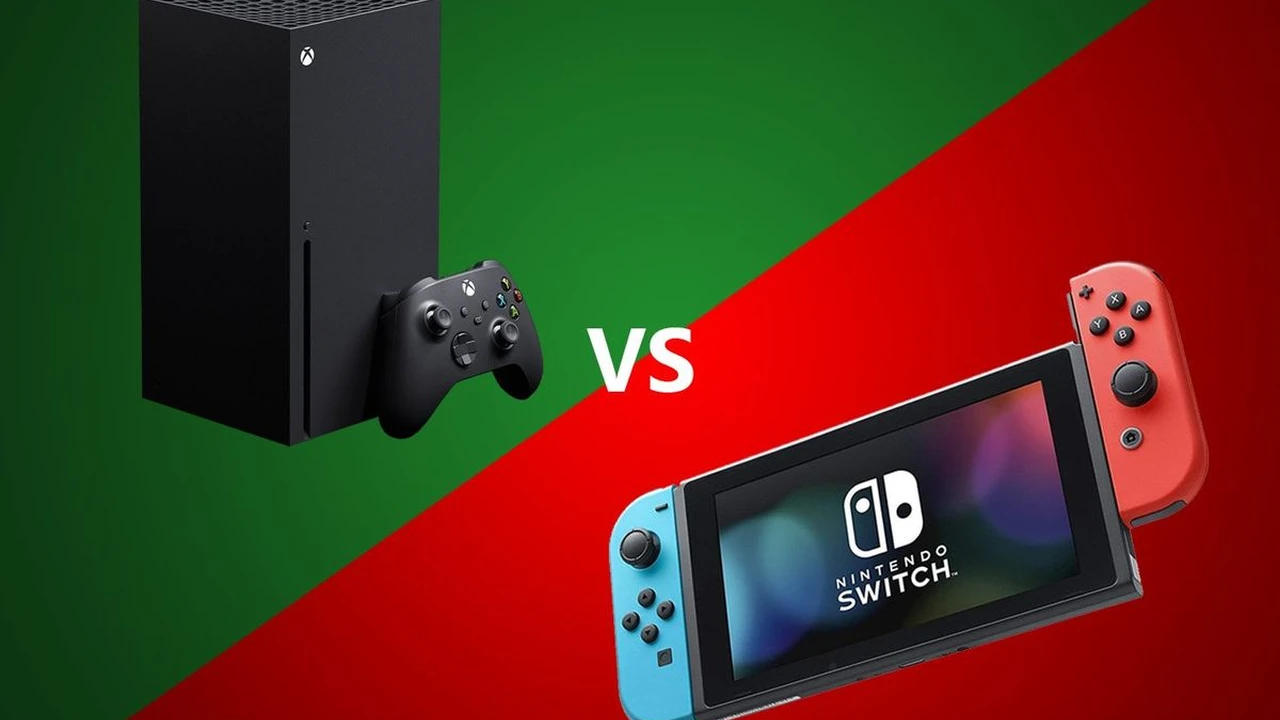
Let's be real, Nintendo's esports scene, while passionate, hasn't quite reached the dizzying heights of PC or even PlayStation/Xbox competitive gaming. We've got our titans, of course: Super Smash Bros. Ultimate is a global phenomenon, drawing massive crowds and viewership for its major tournaments like EVO and Genesis. Splatoon 3 has a dedicated following, especially in Japan, with its unique take on the shooter genre. And then there's Mario Kart 8 Deluxe, a casual party game that somehow manages to be incredibly competitive at the highest levels. But compared to the likes of League of Legends, Dota 2, CS:GO, or even Call of Duty, Nintendo's competitive ecosystem often feels a bit niche, a bit less polished, and sometimes, a bit underserved by Nintendo itself. The Nintendo Switch 2 has a golden opportunity to change that. It's not just about raw power; it's about the ecosystem, the features, and the games themselves.
Hardware Advancements and Their Impact on Competitive Gaming
The biggest hurdle for many competitive games on the original Switch has been hardware limitations. Frame rate drops, resolution scaling, and input lag can be real buzzkills in high-stakes matches. The rumored significant power bump for the Nintendo Switch 2 is a game-changer. Imagine Super Smash Bros. running at a locked 120fps, or Splatoon with crisp 4K visuals and zero lag. This isn't just about looking pretty; it's about competitive integrity. Smoother gameplay means more precise inputs, fewer unfair disadvantages due to hardware, and a more consistent experience for both players and viewers. We're talking about a console that can potentially handle more complex game engines, allowing developers to push the boundaries of competitive design without worrying about performance bottlenecks. This could open the door for new genres to thrive competitively on a Nintendo platform, beyond the usual suspects.
Enhanced Online Infrastructure for Nintendo Switch 2 Esports
If there's one area where Nintendo has consistently lagged behind its competitors, it's online services. The current Nintendo Switch Online, while improved, still leaves a lot to be desired for serious competitive play. We need robust, stable netcode, dedicated servers, and better matchmaking systems. The Nintendo Switch 2 needs to come out of the gate with a vastly improved online infrastructure. This means lower latency, more reliable connections, and features that facilitate competitive play, such as in-game tournament modes, spectator modes, and easier ways to connect with friends for custom lobbies. Imagine a built-in tournament system for Mario Kart or Smash Bros. that allows players to easily organize and participate in competitive brackets directly from their console. This kind of seamless integration is crucial for fostering a grassroots esports scene and making it easier for casual players to dip their toes into competitive waters.
New Game Development and Competitive Potential on Nintendo Switch 2
While existing franchises will undoubtedly benefit, the true growth of the Nintendo Switch 2 esports scene will come from new titles. Developers, both first-party and third-party, will have more freedom to create games specifically designed with competitive play in mind. Think about the potential for a new, fast-paced arena shooter that leverages the Switch 2's power, or a real-time strategy game that's actually viable on a console. Nintendo could even explore new competitive IPs. Imagine a new F-Zero game with a robust online ranking system and dedicated esports support, or a fresh take on a fighting game that appeals to a broader audience. The increased power also means more complex physics, more detailed environments, and more players on screen, all of which can contribute to deeper and more engaging competitive experiences. This is where Nintendo can truly innovate and carve out new niches in the esports landscape.
Specific Game Franchises and Their Esports Future on Switch 2
Super Smash Bros Ultimate Successor and Competitive Evolution
Super Smash Bros. Ultimate is already a beast, but a Switch 2 successor could elevate it further. Imagine a new Smash with even more characters, stages, and perhaps a refined netcode that makes online play indistinguishable from offline. The community is already massive, and with improved hardware and online features, the competitive scene could explode even more. We could see more consistent frame rates, even with multiple characters and effects on screen, which is vital for high-level play. The potential for new mechanics or even a more robust training mode could also significantly impact competitive development.
Splatoon 3 and Beyond: Expanding the Ink-Splatting Competitive Scene
Splatoon 3 is fantastic, but imagine a Splatoon 4 on Switch 2 with larger maps, more players, and even more dynamic ink mechanics. The unique gameplay loop of Splatoon lends itself perfectly to competitive play, and with a more powerful console, the possibilities are endless. We could see higher tick rates for servers, leading to more accurate hit detection, which is crucial in a fast-paced shooter. The visual fidelity could also be pushed, making the vibrant world of Splatoon even more engaging for spectators.
Mario Kart 8 Deluxe and the Next Generation of Racing Esports
Mario Kart 8 Deluxe is surprisingly competitive, but a new Mario Kart on Switch 2 could introduce even more competitive elements. Perhaps a dedicated ranked mode, more complex track designs, or even team-based racing modes. The potential for 120fps racing would be a dream for competitive players, allowing for even more precise drifting and item usage. Imagine a spectator mode that allows commentators to easily switch between different racers' perspectives, enhancing the viewing experience for tournaments.
Pokemon and the Untapped Potential of Competitive Battling on Console
The competitive Pokémon scene is huge, but it's largely driven by the handheld games and external simulators. A new Pokémon game on Switch 2 could finally bring the full competitive experience to the big screen with stunning visuals and seamless online integration. Imagine a dedicated in-game tournament system, robust leaderboards, and spectator features that make watching Pokémon battles as exciting as playing them. The increased processing power could also allow for more complex battle animations and effects without sacrificing performance, making the competitive experience more visually engaging.
New IPs and Unexpected Competitive Hits on Nintendo Switch 2
This is where it gets exciting. Nintendo has a history of creating innovative games that defy genre conventions. The Switch 2 could be the platform for the next big competitive IP. Maybe a new take on a sports game, a unique puzzle-fighter, or something entirely new that nobody has even thought of yet. The increased power and improved online capabilities mean that Nintendo can take bigger risks with competitive game design. This is where the true growth lies, beyond just iterating on existing successes.
Community Engagement and Developer Support for Nintendo Switch 2 Esports
Hardware and software are only part of the equation. Nintendo needs to actively support its esports communities. This means providing developer tools for tournament organizers, offering prize pool support, and promoting competitive events. They could learn a lot from other publishers who have successfully cultivated thriving esports scenes. Imagine Nintendo hosting its own global competitive leagues, similar to what Riot Games does with League of Legends. This kind of top-down support, combined with grassroots community efforts, is essential for sustained growth. They could also implement better in-game reporting tools for competitive integrity, and provide resources for community-run tournaments. The more Nintendo embraces and empowers its competitive communities, the stronger the esports scene will become.
The Role of Streaming and Content Creation in Nintendo Switch 2 Esports
Esports thrives on viewership, and that means streaming and content creation are paramount. The Nintendo Switch 2 needs to make it easier for players to stream their gameplay and create high-quality content. This could mean improved built-in streaming capabilities, better integration with popular streaming platforms, and features that make it easier to capture and share gameplay clips. The more accessible content creation is, the more exposure Nintendo esports will get. Imagine a dedicated 'Creator Mode' that allows for easy camera control, replay saving, and even in-game overlays for streamers. This would significantly lower the barrier to entry for aspiring content creators and help grow the overall audience for Nintendo competitive gaming.
Potential Challenges and How Nintendo Can Overcome Them
Of course, it won't be all smooth sailing. Nintendo has a reputation for being a bit insular when it comes to competitive gaming. They've often been hesitant to fully embrace the esports model. They'll need to overcome this reluctance and actively engage with the competitive community. Another challenge will be balancing accessibility with competitive depth. Nintendo games are known for being easy to pick up and play, but competitive games need a high skill ceiling. Finding that balance will be crucial. Finally, ensuring a consistent supply of new, competitively viable games will be key. It's not enough to just have one or two flagship titles; a diverse competitive ecosystem is a healthy one.
The Future is Bright for Nintendo Switch 2 Esports
The Nintendo Switch 2 represents a massive opportunity for Nintendo to finally establish itself as a major player in the global esports landscape. With improved hardware, a robust online infrastructure, and a renewed focus on competitive game design, the future of Nintendo esports looks incredibly bright. It's time for Nintendo to fully embrace the competitive spirit of its games and give its passionate players the platform they deserve. The potential for growth is immense, and we could be on the cusp of a new era for competitive Nintendo gaming.
:max_bytes(150000):strip_icc()/277019-baked-pork-chops-with-cream-of-mushroom-soup-DDMFS-beauty-4x3-BG-7505-5762b731cf30447d9cbbbbbf387beafa.jpg)