Nintendo Switch 2 vs Xbox Series X S
An in-depth look at the differences and similarities between the Nintendo Switch 2 and Xbox consoles.
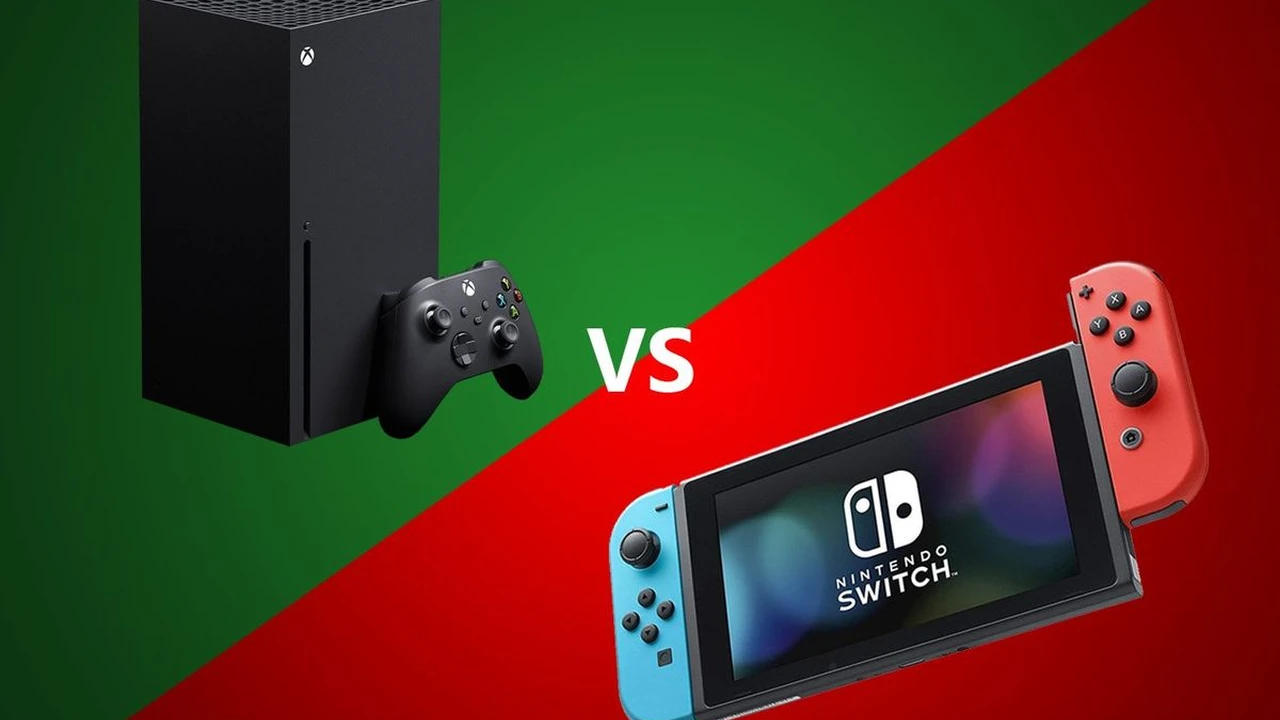
An in-depth look at the differences and similarities between the Nintendo Switch 2 and Xbox consoles.
Nintendo Switch 2 vs Xbox Series X S
The gaming world is buzzing with anticipation for the Nintendo Switch 2, and naturally, gamers are curious about how it will stack up against the established giants like Microsoft's Xbox Series X and Series S. While the Switch 2 is expected to maintain its unique hybrid identity, a direct comparison with the Xbox consoles is crucial for understanding its place in the current gaming landscape. This article will dive deep into the expected specifications, performance, game libraries, target audiences, and overall value propositions of these distinct gaming platforms.
Nintendo Switch 2 Expected Hardware and Performance
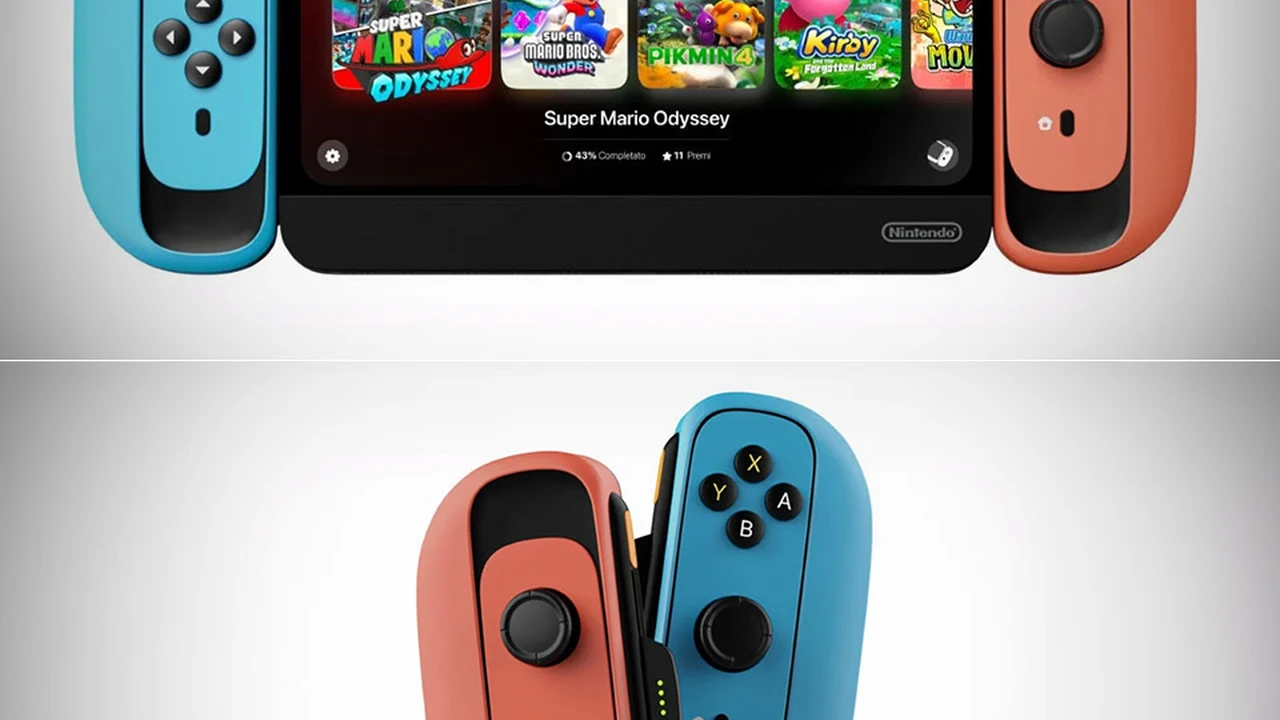
Let's start by examining what we anticipate from the Nintendo Switch 2's hardware. Rumors suggest a significant leap in processing power compared to the original Switch, likely incorporating NVIDIA's DLSS technology for enhanced graphics and performance. This could mean native 1080p or even 4K upscaled output when docked, and a crisp 720p or 1080p experience in handheld mode. The CPU and GPU are expected to be more robust, allowing for more complex game worlds, better textures, and smoother frame rates. Storage is also a key area of improvement, with larger internal SSDs and potentially faster microSD card support. Battery life, a crucial aspect for a portable console, is also expected to see improvements, balancing increased power with efficient energy consumption.
Xbox Series X S Hardware and Performance Overview
In contrast, the Xbox Series X and Series S are pure home consoles, designed for high-fidelity gaming on large screens. The Xbox Series X is a powerhouse, boasting a custom AMD Zen 2 CPU and RDNA 2 GPU, capable of native 4K resolution at up to 120 frames per second, with ray tracing capabilities. It features a 1TB custom NVMe SSD for lightning-fast load times. The Xbox Series S, while less powerful, still offers impressive performance, targeting 1440p resolution at 60-120fps, with a smaller 512GB SSD. Both consoles are built for raw graphical horsepower and immersive experiences, often prioritizing visual fidelity and frame rates in demanding titles.
Gaming Libraries and Exclusive Titles Nintendo vs Xbox
This is where the philosophical differences between Nintendo and Xbox truly shine. Nintendo's strength lies in its unparalleled first-party exclusives: Mario, Zelda, Pokémon, Metroid, Animal Crossing, and more. These titles are often family-friendly, innovative, and designed to leverage Nintendo's unique hardware. The Switch 2 will undoubtedly continue this tradition, with new iterations of beloved franchises and potentially new IPs that showcase its enhanced capabilities. The focus is often on unique gameplay mechanics and artistic style rather than raw graphical realism.
Xbox, on the other hand, boasts a strong lineup of its own first-party exclusives like Halo, Forza, Gears of War, and Fable, often leaning towards more mature, graphically intensive experiences. However, a significant draw for Xbox is its extensive third-party support and, crucially, Xbox Game Pass. Game Pass offers a vast library of games, including day-one releases, for a monthly subscription fee, providing incredible value. This service is a major differentiator, offering a 'Netflix for games' experience that Nintendo currently doesn't directly compete with on the same scale.
Target Audience and Use Cases Nintendo Switch 2 vs Xbox
The target audiences for these consoles are quite distinct. The Nintendo Switch 2, like its predecessor, will likely appeal to a broad demographic, from casual gamers and families to dedicated Nintendo fans. Its hybrid nature allows for seamless transitions between TV play and portable gaming, making it ideal for diverse lifestyles. It's perfect for gaming on the go, during commutes, or for quick pick-up-and-play sessions. The emphasis is on accessibility, fun, and shared experiences.
The Xbox Series X and Series S primarily cater to gamers who prioritize high-fidelity graphics, competitive online multiplayer, and a vast library of AAA titles. They are designed for a dedicated home gaming setup, often connected to large 4K TVs. The Xbox ecosystem also heavily integrates with PC gaming through Xbox Play Anywhere titles and cross-play features, appealing to a more interconnected gaming community. The focus is on immersive, high-performance gaming experiences.
Price Point and Value Proposition Comparison
Pricing will be a critical factor. The original Switch launched at $299, and the Switch OLED is $349. The Nintendo Switch 2 is expected to be priced competitively, likely in the $349-$449 range, reflecting its upgraded hardware while maintaining an accessible entry point. Its value comes from its versatility, unique first-party games, and the ability to game anywhere.
The Xbox Series X retails for $499, and the Series S for $299. While the Series X is more expensive upfront, its raw power and 4K capabilities justify the cost for many. The Series S offers a more budget-friendly entry into the next-gen Xbox ecosystem. The true value proposition for Xbox often comes from Xbox Game Pass, which can significantly reduce the cost of acquiring games over time. For example, a 12-month Xbox Game Pass Ultimate subscription typically costs around $180, providing access to hundreds of games.
Specific Product Recommendations and Scenarios
Best Console for Family Gaming and Portability
For families or individuals who value portability and unique, family-friendly experiences, the Nintendo Switch 2 will undoubtedly be the top recommendation. Imagine playing the next Mario Kart title on the big screen with friends, then seamlessly transitioning to handheld mode for a solo adventure on the train. Its expected price point of around $399 (speculative) makes it an attractive option for a versatile gaming device. Consider the Nintendo Switch 2 OLED Model if a vibrant, larger screen in handheld mode is a priority, though this might be a premium version of the Switch 2.
Best Console for High Fidelity Graphics and Performance
If your primary concern is cutting-edge graphics, high frame rates, and the most immersive visual experiences on a large 4K TV, the Xbox Series X is the clear winner. Priced at $499, it delivers true next-gen performance. Games like Forza Horizon 5 or Halo Infinite truly shine on this console. For a more budget-conscious approach that still offers significant graphical prowess, the Xbox Series S at $299 is an excellent choice, especially if you're comfortable with digital-only gaming and 1440p resolution. It's perfect for a secondary gaming setup or for those new to the Xbox ecosystem.
Best Value for Money and Game Library Access
For sheer value in terms of game access, the Xbox Series S combined with an Xbox Game Pass Ultimate subscription is incredibly compelling. The console itself is affordable, and Game Pass provides an enormous library of games for a monthly fee (e.g., $16.99/month for Ultimate). This setup is ideal for gamers who want to explore a wide variety of titles without purchasing each one individually. While the Nintendo Switch 2 will have its own online subscription service, it's unlikely to offer the same breadth of third-party titles as Game Pass.
Considerations for Specific Game Genres
If you're a fan of JRPGs, unique indie titles, or Nintendo's iconic first-party adventures, the Nintendo Switch 2 will be your go-to. Its ecosystem is tailored for these experiences. If you're into competitive shooters, expansive open-world games with realistic graphics, or prefer a vast library of Western AAA titles, the Xbox Series X or Series S will serve you better. The Xbox ecosystem also has a strong emphasis on online multiplayer and community features.
Future Outlook and Ecosystem Integration
Both Nintendo and Xbox are constantly evolving their ecosystems. Nintendo is likely to further integrate its online services and potentially expand its retro game offerings on the Switch 2. Xbox, with its strong cloud gaming initiatives (Xbox Cloud Gaming), is pushing the boundaries of how and where games can be played, potentially streaming high-fidelity titles to a wider range of devices. The future of gaming might see more convergence, but for now, these two platforms offer distinct and valuable experiences.
Final Thoughts on Choosing Your Console
Ultimately, the choice between the Nintendo Switch 2 and an Xbox console boils down to personal preference and gaming priorities. If you value portability, unique first-party experiences, and a more family-friendly approach, the Nintendo Switch 2 will be an excellent choice. If you prioritize raw graphical power, a vast library of AAA titles through Game Pass, and a traditional home console experience, the Xbox Series X or Series S will be more suitable. Many gamers even choose to own both, leveraging the strengths of each platform to enjoy the best of both worlds.
:max_bytes(150000):strip_icc()/277019-baked-pork-chops-with-cream-of-mushroom-soup-DDMFS-beauty-4x3-BG-7505-5762b731cf30447d9cbbbbbf387beafa.jpg)