Nintendo Switch 2 vs PS5 Pro Spec Battle
How does the rumored Nintendo Switch 2 stack up against the PlayStation 5 Pro in terms of specs?

How does the rumored Nintendo Switch 2 stack up against the PlayStation 5 Pro in terms of specs? This is the burning question for many gamers and tech enthusiasts. While the Nintendo Switch 2 is expected to be a hybrid console, focusing on portability and unique gameplay experiences, the PS5 Pro is designed as a pure home console, pushing the boundaries of graphical fidelity and raw processing power. Understanding their potential specifications and what they mean for your gaming experience is crucial before making a purchasing decision. Let's dive deep into a comprehensive comparison, looking at everything from CPU and GPU to storage, display, and unique features.
Nintendo Switch 2 vs PS5 Pro Spec Battle
Nintendo Switch 2 PS5 Pro CPU Comparison Processing Power
The central processing unit (CPU) is the brain of any console, dictating its overall processing power and ability to handle complex game logic. For the Nintendo Switch 2, rumors heavily point towards a custom NVIDIA Tegra chip, likely based on the Orin or T239 architecture. This would be a significant leap from the original Switch's Tegra X1, offering much-improved performance, especially in handheld mode. We could be looking at ARM-based cores, potentially with a focus on efficiency to extend battery life.
On the other hand, the PlayStation 5 Pro is expected to feature an enhanced version of the AMD Zen 2 architecture found in the current PS5. This means more cores, higher clock speeds, or a combination of both, designed to deliver unparalleled performance for demanding AAA titles. The PS5 Pro's CPU will likely be optimized for high-fidelity graphics and complex simulations, making it a powerhouse for traditional console gaming. While the Switch 2's CPU will be a massive upgrade for Nintendo, it's unlikely to match the raw computational might of the PS5 Pro's desktop-class processor.
Nintendo Switch 2 PS5 Pro GPU Comparison Graphics Performance
The graphics processing unit (GPU) is where the real visual magic happens. For the Nintendo Switch 2, the rumored NVIDIA chip would bring significant advancements, potentially including support for DLSS (Deep Learning Super Sampling). DLSS is a game-changer, allowing games to render at a lower resolution and then intelligently upscale them to a higher resolution using AI, resulting in sharper images and better performance. This would enable the Switch 2 to achieve impressive visuals, even with its portable form factor. Ray tracing capabilities, while perhaps not as robust as dedicated home consoles, could also be present, offering more realistic lighting and reflections.
The PS5 Pro, however, is expected to feature a significantly more powerful RDNA 3 or even RDNA 4-based GPU from AMD. This would mean a massive increase in compute units, higher clock speeds, and dedicated hardware for advanced ray tracing. The PS5 Pro's GPU will be designed to render games at native 4K resolution, potentially even 8K, with high frame rates and cutting-edge graphical effects. It will be the console of choice for gamers who prioritize the absolute best visual fidelity and performance on a large screen. The difference here will be substantial, with the PS5 Pro aiming for cinematic realism and the Switch 2 focusing on impressive visuals within its hybrid design constraints.
Nintendo Switch 2 PS5 Pro RAM Memory Speed Capacity
Random Access Memory (RAM) is crucial for storing temporary data that the CPU and GPU need to access quickly. The original Switch has 4GB of LPDDR4 RAM. The Nintendo Switch 2 is expected to see a significant upgrade, possibly to 8GB or even 12GB of faster LPDDR5 or LPDDR5X RAM. This increased capacity and speed would allow for larger game worlds, more detailed textures, and smoother multitasking, greatly improving the overall gaming experience.
The PS5 Pro, building on the PS5's 16GB of GDDR6 RAM, is likely to feature even more, perhaps 20GB or 24GB, and potentially at even higher speeds. GDDR6 is a much faster type of RAM than LPDDR, designed for high-bandwidth applications like gaming on powerful home consoles. This abundance of fast RAM will enable the PS5 Pro to handle incredibly detailed assets, complex physics, and large open worlds without bottlenecks, ensuring a seamless and immersive experience.
Nintendo Switch 2 PS5 Pro Storage Solutions SSD NVMe
Storage is vital for game installations and loading times. The original Switch came with 32GB or 64GB of internal eMMC storage, which was relatively slow. The Nintendo Switch 2 is almost certainly going to adopt faster NVMe SSD storage, likely starting at 64GB or 128GB, with options for higher capacities. This will drastically reduce loading times and improve overall system responsiveness. MicroSD card expansion will undoubtedly remain a feature for additional storage.
The PS5 Pro will continue to utilize a custom NVMe SSD, but it might feature even faster read/write speeds or a larger base capacity than the current PS5's 825GB. The PS5's SSD is already incredibly fast, virtually eliminating loading screens in many games. The PS5 Pro will likely push this further, ensuring that game assets can be streamed almost instantaneously, allowing for even more dynamic and seamless game worlds. The PS5 Pro will also likely retain its M.2 SSD expansion slot for user upgrades.
Nintendo Switch 2 PS5 Pro Display Output Resolution
The display is where you see all the action. For the Nintendo Switch 2, the built-in screen is a major focus. While the original Switch had a 720p LCD, the Switch OLED upgraded to a 720p OLED. The Switch 2 is rumored to feature a larger, higher-resolution screen, possibly 1080p OLED, which would be a significant visual upgrade in handheld mode. When docked, the Switch 2 is expected to output up to 4K resolution, leveraging DLSS to achieve this with good performance.
The PS5 Pro, as a dedicated home console, will target native 4K resolution at high frame rates (60fps, 120fps, or even higher for some titles). It's also expected to push towards 8K resolution for certain applications or upscaled content. The PS5 Pro will be designed to take full advantage of high-end 4K and 8K televisions, offering the sharpest and most detailed visuals possible. The display output capabilities will be a clear differentiator, with the PS5 Pro prioritizing high-fidelity home theater experiences.
Nintendo Switch 2 PS5 Pro Unique Features Innovation
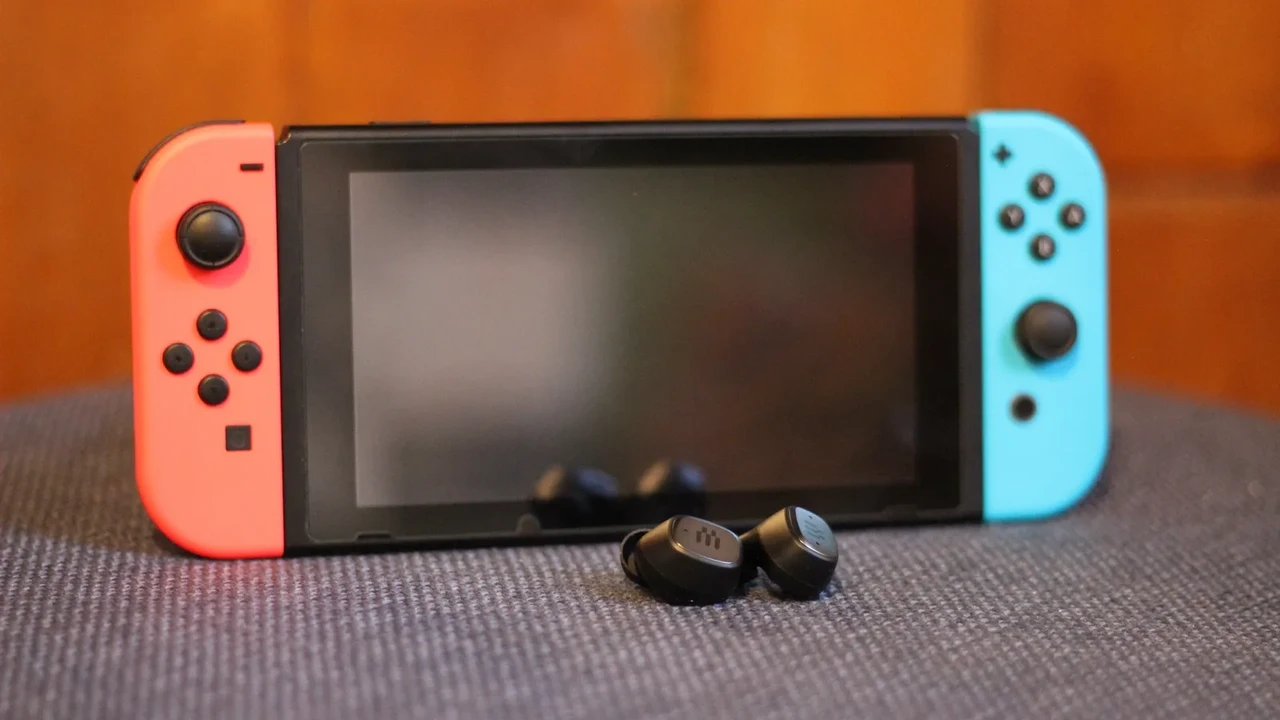
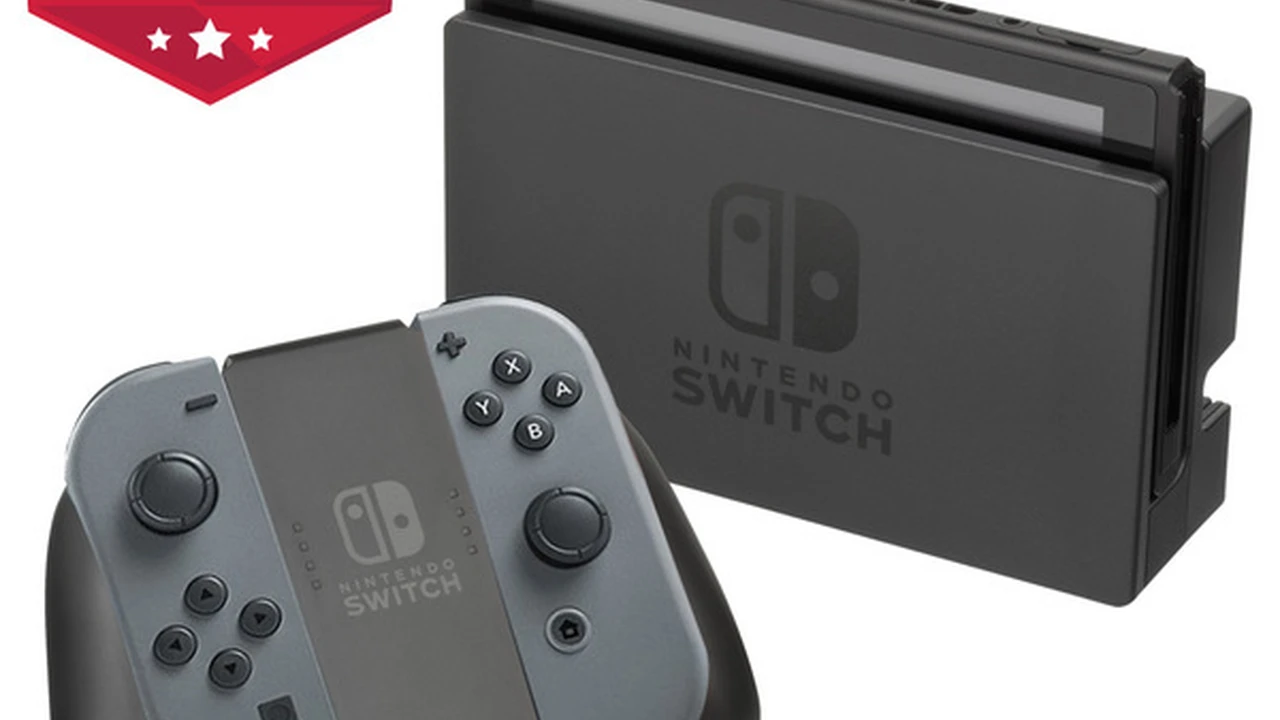
Beyond raw specs, each console brings its own unique set of features. The Nintendo Switch 2 will undoubtedly retain its hybrid nature, allowing seamless transitions between handheld and TV modes. Improved Joy-Cons with haptic feedback, better battery life, and potentially new input methods are also expected. Nintendo's focus will remain on innovative gameplay experiences, local multiplayer, and its strong first-party game library. The unique form factor and portability are its core strengths.
The PS5 Pro will likely focus on enhancing the existing PS5 experience. This could include improved haptic feedback in the DualSense controller, potentially new audio technologies for even more immersive 3D audio, and deeper integration with PlayStation VR2. Sony's emphasis will be on delivering a premium, high-performance gaming experience for single-player and online multiplayer, with a strong focus on graphical fidelity and immersive technologies. The PS5 Pro will also likely continue to leverage its robust ecosystem of services and exclusive AAA titles.
Nintendo Switch 2 PS5 Pro Price Point Value Proposition
Price is always a critical factor. The Nintendo Switch 2 is expected to be priced competitively, likely in the range of $349 to $449. This pricing would reflect its hybrid nature and target a broad audience, including families and casual gamers, while still offering a significant upgrade over the original Switch. Its value proposition lies in its versatility and unique gameplay experiences.
The PS5 Pro, as a more powerful and premium console, is expected to be priced higher, potentially in the range of $599 to $699. Its value proposition is rooted in delivering the absolute best graphical performance and a cutting-edge home console experience. It targets hardcore gamers and enthusiasts who demand the highest fidelity and performance from their games. The price difference will reflect the significant disparity in raw power and target audience.
Nintendo Switch 2 PS5 Pro Target Audience Gaming Experience
The target audience for these two consoles is quite different. The Nintendo Switch 2 will appeal to a wide demographic, from children and families to casual gamers and those who appreciate Nintendo's unique first-party titles. Its portability makes it ideal for gaming on the go, during commutes, or for quick pick-up-and-play sessions. It's about fun, accessibility, and innovative gameplay.
The PS5 Pro is aimed squarely at the enthusiast gamer, those who own 4K TVs and demand the best possible graphics and performance. It's for players who want to experience the latest AAA titles with stunning visuals, high frame rates, and immersive technologies like ray tracing. It's a console designed for long gaming sessions on a big screen, delivering a premium, high-fidelity experience.
Nintendo Switch 2 PS5 Pro Game Library Exclusives
Both consoles will boast impressive game libraries, but with different focuses. The Nintendo Switch 2 will continue to be home to beloved Nintendo franchises like Mario, Zelda, Pokémon, and Metroid. These first-party titles are often system sellers and offer unique gameplay experiences tailored to Nintendo's hardware. Third-party support is also expected to improve significantly with the more powerful hardware.
The PS5 Pro will benefit from PlayStation's strong lineup of exclusive AAA titles, including cinematic single-player experiences and popular multiplayer games. Franchises like Spider-Man, God of War, Horizon, and The Last of Us will continue to push graphical boundaries. Third-party support will be extensive, with most major releases targeting the PS5 Pro's capabilities. The focus will be on delivering visually stunning and technically advanced games.
Nintendo Switch 2 PS5 Pro Ecosystem Services
Both Nintendo and PlayStation offer their own ecosystems and services. Nintendo Switch Online provides online multiplayer, cloud saves, and a library of classic NES, SNES, N64, and Game Boy games. The Switch 2 will likely enhance these services, perhaps with more modern classic titles or improved online infrastructure.
PlayStation Plus offers a tiered subscription service with online multiplayer, monthly free games, and access to extensive game catalogs. The PS5 Pro will seamlessly integrate with these services, providing a robust online experience and a vast library of games through its subscription tiers. PlayStation's ecosystem is generally more geared towards traditional online gaming and a broader range of digital services.
Nintendo Switch 2 PS5 Pro Conclusion Which Console is Right for You
Ultimately, the choice between the Nintendo Switch 2 and the PS5 Pro comes down to your personal gaming preferences and priorities. If you value portability, unique gameplay experiences, Nintendo's iconic first-party titles, and a console that can be enjoyed anywhere, the Nintendo Switch 2 will be an excellent choice. It offers a significant upgrade over the original Switch while retaining its core versatility.
If you prioritize cutting-edge graphics, raw performance, high frame rates, and the most immersive home console experience for AAA titles, then the PS5 Pro will be the clear winner. It's designed to push the boundaries of visual fidelity and deliver a premium gaming experience on your big screen. Both consoles will undoubtedly offer fantastic gaming experiences, but they cater to different segments of the gaming market. Consider what matters most to you in a gaming console before making your decision.
:max_bytes(150000):strip_icc()/277019-baked-pork-chops-with-cream-of-mushroom-soup-DDMFS-beauty-4x3-BG-7505-5762b731cf30447d9cbbbbbf387beafa.jpg)