Nintendo Switch 2 Stock Availability Forecast
{ "article": [ { "title": "Nintendo Switch 2 Stock Availability Forecast", "meta_description": "Anticipating stock levels and potential shortages for the Nintendo Switch 2 at launch.", "content": "Anticipating stock levels and potential shortages for the Nintendo Switch 2 at launch.\n\n
\n\n
The launch of any highly anticipated console is always met with a mix of excitement and anxiety, and the Nintendo Switch 2 is no exception. Gamers worldwide are already wondering: will I be able to get my hands on one at launch? This isn't just a casual question; it's a critical concern for many, especially given the recent history of console launches plagued by supply chain issues and scalpers. Understanding the potential stock availability and forecasting shortages for the Nintendo Switch 2 is crucial for anyone planning to purchase it early. We're going to dive deep into the factors that influence console supply, look at historical trends, and offer some practical advice on how to maximize your chances of securing a unit.
\n\nUnderstanding Console Supply Chains and Manufacturing Challenges
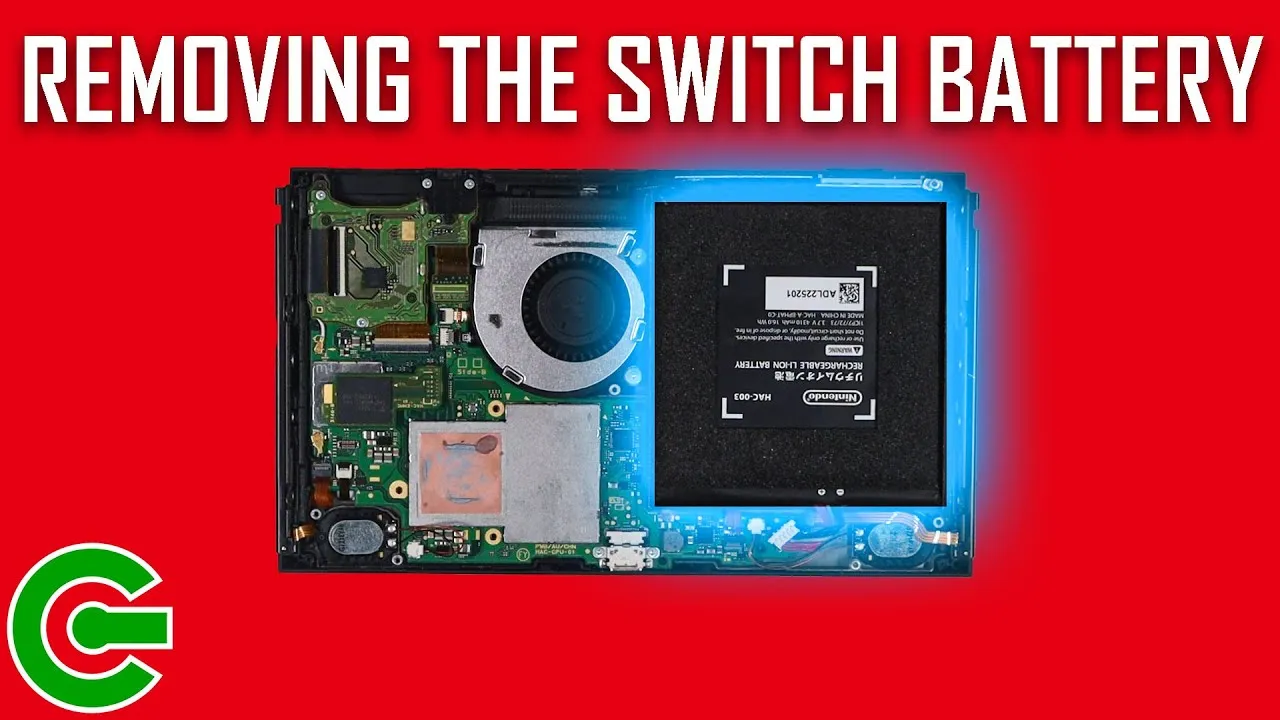
\n\nThe journey of a console from concept to your living room is incredibly complex, involving a global network of suppliers, manufacturers, and logistics. For the Nintendo Switch 2, several key components will dictate its production volume. The most critical of these is often the semiconductor chip. Modern consoles rely on advanced System-on-a-Chip (SoC) designs, which integrate the CPU, GPU, and other vital components onto a single piece of silicon. The global semiconductor industry has faced significant challenges in recent years, from pandemic-induced factory shutdowns to increased demand across various sectors like automotive and consumer electronics. If Nintendo opts for a cutting-edge chip, its availability could be a bottleneck.
\n\nBeyond the main chip, there are countless other components: memory modules (RAM and storage), display panels (LCD or OLED), batteries, plastic casings, circuit boards, and intricate haptic feedback motors for the Joy-Cons. Each of these components has its own supply chain, and a disruption in any one of them can ripple through the entire production line. For instance, a shortage of a specific type of capacitor or a particular rare earth metal could slow down assembly significantly. Manufacturing facilities themselves also play a role. Nintendo typically partners with large-scale electronics manufacturers, often in Asia, which have the capacity to produce millions of units. However, even these facilities have limits, and ramping up production for a new console launch requires careful planning and execution.
\n\nLogistics and shipping are the final hurdles. Transporting millions of consoles from factories to distribution centers and then to retailers across different continents is a massive undertaking. Port congestion, shipping container shortages, and rising freight costs can all impact how quickly consoles reach store shelves. All these factors combined create a delicate balance, and any unforeseen disruption can lead to widespread shortages.
\n\nHistorical Precedents Console Launch Shortages and Scalping
\n\nTo predict the future, it's often helpful to look at the past. Recent console launches provide a stark warning about potential Nintendo Switch 2 stock issues. The PlayStation 5 and Xbox Series X/S launches in late 2020 were notoriously difficult for consumers. Both consoles experienced prolonged shortages that lasted well into 2022, driven by unprecedented demand during the pandemic and severe semiconductor supply constraints. Scalpers, using automated bots, quickly bought up available stock and resold it at exorbitant prices on secondary markets, further exacerbating the problem for legitimate buyers.
\n\nEven Nintendo's own history offers insights. While the original Nintendo Switch launch in 2017 was relatively smooth, subsequent demand surges, particularly during the Animal Crossing: New Horizons boom in 2020, led to significant shortages. The Nintendo Switch OLED model, released in 2021, also saw periods of limited availability, though not as severe as the PS5 or Xbox Series X/S. These experiences highlight that even with careful planning, unexpected demand spikes or supply chain hiccups can quickly turn a healthy stock into a scarcity.
\n\nThe key takeaway from these historical precedents is that high demand combined with any level of supply constraint creates a fertile ground for shortages. Nintendo will undoubtedly be aware of these past challenges and will likely implement strategies to mitigate them, but the global economic and manufacturing landscape remains unpredictable.
\n\nFactors Influencing Nintendo Switch 2 Launch Stock
\n\nSeveral specific factors will play a crucial role in determining the Nintendo Switch 2's launch stock. Firstly, the global semiconductor supply remains a primary concern. While the worst of the chip shortage seems to be behind us, demand for advanced chips is still incredibly high. If the Switch 2 uses a custom, bleeding-edge chip, its production volume will be directly tied to the foundry's capacity. Secondly, Nintendo's production ramp-up strategy is vital. How early does Nintendo begin mass production? How aggressive are their initial production targets? A conservative approach might lead to immediate shortages, while an overly ambitious one could risk unsold inventory if demand doesn't meet expectations (though this is less likely for a Nintendo console).
\n\nThirdly, pre-order strategies and retailer allocations will significantly impact initial availability. Will Nintendo allow widespread pre-orders months in advance, or will they opt for a more controlled, staggered release? Retailers will receive specific allocations, and how these are distributed across different regions (US, Europe, Japan, Southeast Asia, etc.) will affect local availability. Fourthly, the strength of launch titles can drive demand. A strong lineup of exclusive games, particularly from beloved franchises like Mario, Zelda, or Pokémon, will undoubtedly fuel consumer desire and put immense pressure on stock. Finally, scalper activity remains a threat. While platforms have implemented measures to combat bots, determined scalpers will always find ways to exploit vulnerabilities. Nintendo and retailers will need robust anti-bot systems and fair queuing mechanisms to ensure genuine customers have a chance.
\n\nRegional Stock Predictions US vs Southeast Asia
\n\nThe Nintendo Switch 2's stock availability is unlikely to be uniform across all regions. Different markets have varying demand levels, logistical challenges, and distribution priorities. For the United States market, expect extremely high demand. The US is typically one of Nintendo's largest markets, and consumers here are accustomed to immediate access to new tech. This high demand, coupled with the vast geographical area, means that even large shipments can quickly dissipate. Retailers like Best Buy, GameStop, Amazon, and Walmart will be key distribution points, and their online stock will likely vanish within minutes of going live. Physical store stock might offer a slight advantage for those willing to queue, but even that is not guaranteed.
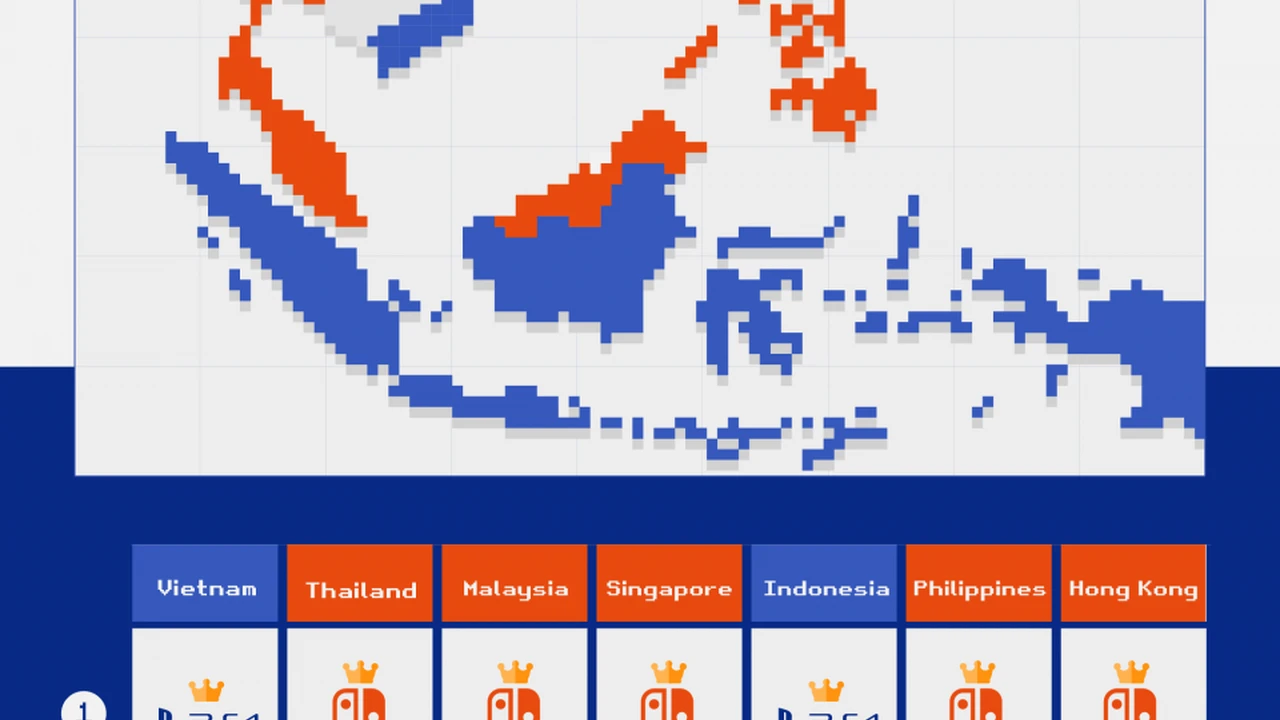
\n\nIn Southeast Asia (SEA), the situation might be slightly different. While the gaming market in SEA is rapidly growing, it's often served by a more fragmented distribution network compared to the US. Demand will still be significant, particularly in countries like Singapore, Malaysia, Thailand, and the Philippines, where Nintendo's presence has been steadily increasing. However, initial allocations might be smaller, and the consoles could take longer to reach some of the more remote areas. Pricing and import duties can also affect availability and affordability. Consumers in SEA might need to rely more on official Nintendo distributors and authorized resellers, and patience might be a virtue. Parallel imports (grey market) might also emerge if official stock is severely limited, but these often come with risks regarding warranty and support.
\n\nIt's also worth noting that Nintendo might prioritize certain regions for initial shipments based on strategic market importance or logistical efficiency. This could mean that some regions see better initial stock than others, even if overall global supply is constrained.
\n\nMaximizing Your Chances of Securing a Nintendo Switch 2
\n\nSo, how can you increase your odds of getting a Nintendo Switch 2 at launch? Here are some practical tips:
\n\nStay Informed and Follow Reliable Sources
\n\nKnowledge is power. Follow reputable gaming news outlets, tech journalists, and official Nintendo social media channels. Sign up for email alerts from major retailers. Websites like Wario64 or Stock Informer often provide real-time updates on console availability. Be wary of unofficial leaks or rumors that promise early access; stick to verified information.
\n\nPrepare for Pre-Orders
\n\nIf pre-orders go live, be ready. Have your payment information saved on retailer websites. Create accounts in advance. Decide which retailer you'll prioritize. Sometimes, smaller, less obvious retailers might have stock longer than the big players. Be quick; pre-orders can sell out in seconds.
\n\nConsider Retailer-Specific Strategies
\n\nDifferent retailers have different approaches. Some might do in-store drops, others online-only. For example, Best Buy often has a queue system for high-demand items. Amazon might drop stock at random times. GameStop sometimes bundles consoles with games or accessories, which can deter some scalpers but also increase the overall cost. In Southeast Asia, check with official distributors like Maxsoft (for some regions) or major electronics retailers like Challenger (Singapore) or Datablitz (Philippines).
\n\nBe Ready for Launch Day
\n\nIf you miss pre-orders, launch day is your next best bet. Be online and ready to refresh retailer pages at the exact time stock is expected to drop. For physical stores, consider arriving early, even before opening, if they announce in-store availability. This might mean sacrificing some sleep, but it could be worth it.
\n\nAvoid Scalpers and Unofficial Channels
\n\nWhile tempting, buying from scalpers on eBay or other secondary markets at inflated prices only encourages the behavior. Not only do you pay significantly more, but you also risk receiving a faulty unit or no unit at all, with little recourse. Stick to official retailers and authorized sellers to ensure you get a legitimate product with a warranty.
\n\nPatience is a Virtue
\n\nIf you don't get one at launch, don't despair. Console shortages rarely last forever. Nintendo will continue to produce units, and stock will gradually improve over the weeks and months following launch. While it's exciting to be an early adopter, waiting a bit can save you stress and potentially money. Keep checking retailer websites regularly, as small restocks can happen at any time.
\n\nPotential Product Recommendations and Scenarios
\n\nWhile we don't have official product details for the Nintendo Switch 2 yet, we can anticipate some scenarios based on Nintendo's past practices and market trends. When the console launches, you'll likely have a few options:
\n\nStandard Nintendo Switch 2 Console
\n\nThis will be the base model, likely priced around the $349-$399 USD mark, similar to the original Switch's launch price or slightly higher due to inflation and improved tech. This is the most straightforward purchase. It will include the console, Joy-Cons, dock, and necessary cables. This is ideal for most gamers who just want the core experience.
\n\nNintendo Switch 2 Bundles
\n\nRetailers often create bundles to entice buyers and sometimes to manage stock. These might include the console plus a popular launch game (e.g., a new Mario or Zelda title), an extra set of Joy-Cons, or a Pro Controller. These bundles typically offer a slight discount compared to buying items separately. For example, a bundle with a new Zelda game might be priced at $429-$479 USD. These are great for new Switch owners who want to jump straight into gaming with essential accessories.
\n\nSpecial Edition Nintendo Switch 2 Consoles
\n\nNintendo loves special editions, often tied to major game releases (e.g., a Zelda-themed console). These usually feature unique designs on the console and Joy-Cons and might come with a digital copy of the game. They are often priced slightly higher than the standard console, perhaps around $379-$429 USD, and are highly sought after by collectors. These are perfect for fans of specific franchises who want a unique console.
\n\nComparison of Purchase Scenarios
\n\nScenario 1: The Day-One Enthusiast
You want the console on launch day, no matter what. You'll be refreshing retailer pages, setting alarms, and possibly even camping out. Your best bet is to have multiple retailer accounts ready, payment info saved, and be prepared to act instantly. You might pay full price or slightly more if you opt for a bundle to secure a unit. This scenario is high-stress but offers immediate gratification.
Scenario 2: The Patient Planner
You want the console, but you're not willing to fight tooth and nail on day one. You'll monitor stock levels, sign up for alerts, and wait for the initial rush to subside. You might get a console a few weeks or a month after launch, potentially even finding a better deal or a bundle that suits your needs. This scenario is less stressful and often more cost-effective.
Scenario 3: The Bundle Hunter
You're looking for the best value. You'll specifically target bundles that include games or accessories you want. This might mean waiting a bit longer, as bundles often appear after the initial console-only stock sells out. Keep an eye on major sales events or retailer promotions. This is ideal for those who want to maximize their purchase.
Scenario 4: The International Buyer (Southeast Asia Focus)
If you're in Southeast Asia, you'll need to pay close attention to official distributor announcements in your specific country. Prices might vary due to import taxes and local market conditions. For example, a console might be SGD 550-650 in Singapore, MYR 1800-2200 in Malaysia, or PHP 20,000-25,000 in the Philippines. Be aware of potential grey market imports, which might be cheaper but lack official warranty. Prioritize authorized retailers for peace of mind.
Ultimately, securing a Nintendo Switch 2 at launch will likely require a combination of preparation, quick reflexes, and a bit of luck. By understanding the factors that influence stock and employing smart strategies, you can significantly improve your chances of joining the next generation of Nintendo gamers.
" } ] }:max_bytes(150000):strip_icc()/277019-baked-pork-chops-with-cream-of-mushroom-soup-DDMFS-beauty-4x3-BG-7505-5762b731cf30447d9cbbbbbf387beafa.jpg)