Nintendo Switch 2 Southeast Asia Market Focus
Why the Nintendo Switch 2 is poised for success in the growing Southeast Asian gaming market.
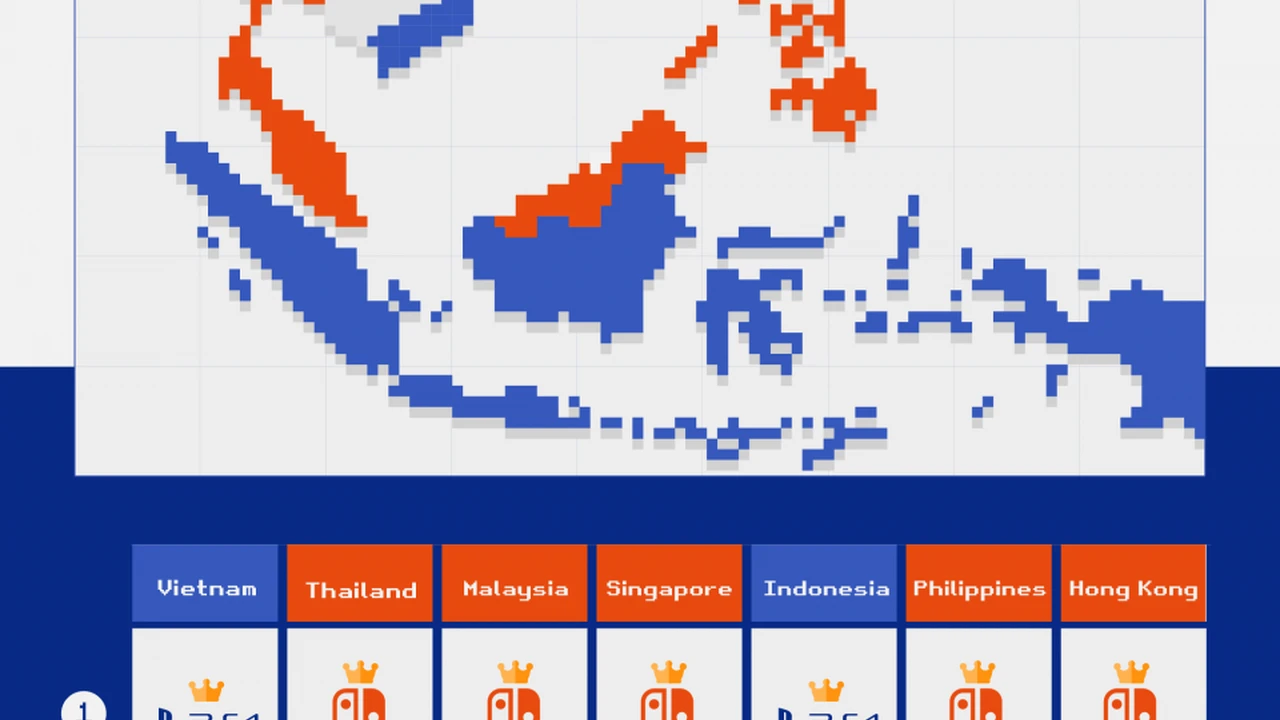
Why the Nintendo Switch 2 is poised for success in the growing Southeast Asian gaming market.
Nintendo Switch 2 Southeast Asia Market Focus
Understanding the Southeast Asian Gaming Landscape
Hey gamers! Let's talk about something super exciting: the Nintendo Switch 2 and its potential impact on the Southeast Asian market. This region is a massive hub for gaming, and it's growing at an incredible pace. We're talking about millions of passionate players across countries like Indonesia, Thailand, Vietnam, the Philippines, Malaysia, and Singapore. What makes this market so unique? Well, for starters, mobile gaming has been king for a long time. Affordable smartphones and widespread internet access have made gaming accessible to almost everyone. But here's the kicker: there's a significant and increasing appetite for console gaming too. People are looking for more immersive experiences, better graphics, and the kind of unique gameplay that only dedicated consoles can offer. The original Nintendo Switch already made a considerable splash here, proving that there's a strong demand for hybrid gaming. Its portability resonated with a population that's often on the go, whether commuting or just hanging out with friends. The ability to switch between handheld and TV mode perfectly fits the diverse lifestyles in Southeast Asia. So, with the Nintendo Switch 2 on the horizon, it's not just about a new console; it's about Nintendo potentially solidifying its position and capturing an even larger share of this dynamic market.
Key Factors Driving Nintendo Switch 2 Success in Southeast Asia
So, what exactly makes the Nintendo Switch 2 such a strong contender for success in Southeast Asia? Let's break it down. First up, affordability and accessibility. While the Switch 2 is expected to be more powerful, Nintendo has a history of balancing performance with a reasonable price point. In a market where value for money is crucial, a competitively priced console that offers both handheld and home console experiences is a huge win. Think about it: you get two gaming experiences in one device. This hybrid nature is a massive selling point. People can play on their way to work or school, then dock it at home for a big-screen experience with family and friends. This versatility is perfectly suited for the varied living situations and social habits across the region. Then there's the strong brand loyalty and recognition. Nintendo isn't just a gaming company here; it's a cultural icon. Generations have grown up with Mario, Pokémon, and Zelda. This nostalgia factor is incredibly powerful. When a new Nintendo console comes out, there's an inherent trust and excitement that other brands might struggle to replicate. The existing success of the original Switch has also built a solid foundation, creating a large installed base of users who are already familiar with the ecosystem and likely to upgrade. Finally, localized content and marketing strategies will be crucial. Nintendo has shown a willingness to adapt its approach for different regions, and tailoring games, eShop content, and marketing campaigns to specific Southeast Asian cultures and languages will only strengthen its appeal. Imagine more games with local language options or marketing that features familiar faces and places. That's how you truly connect with a market.
Comparing Nintendo Switch 2 with Competitors in Southeast Asia
When we talk about the Nintendo Switch 2's potential, we have to consider the competition. In Southeast Asia, it's a multi-faceted battle. On one side, you have the established giants: Sony's PlayStation and Microsoft's Xbox. These consoles offer raw power and a vast library of graphically intensive games. For hardcore gamers who prioritize cutting-edge visuals and performance, the PS5 and Xbox Series X are strong contenders. However, their higher price points and lack of true portability can be limiting factors for many in the region. The Switch 2, with its hybrid nature, carves out a unique niche that neither of these can fully replicate. It's not trying to be a direct competitor in terms of teraflops; it's offering a different kind of gaming experience. Then there's the ever-present force of mobile gaming. As we mentioned, mobile is huge here. But while mobile games are convenient and often free-to-play, they generally can't match the depth, control, or immersive quality of dedicated console titles. The Switch 2 offers a significant step up from mobile gaming without the commitment of a full-blown home console setup. It bridges that gap beautifully. Finally, we're seeing the rise of PC handhelds like the Steam Deck and ASUS ROG Ally. These devices offer PC gaming on the go, which is incredibly appealing to a segment of the market. However, they often come with a higher price tag, a steeper learning curve for non-PC gamers, and potentially less optimized software compared to Nintendo's tightly integrated ecosystem. The Switch 2's simplicity, ease of use, and family-friendly appeal give it a distinct advantage over these more niche devices. It's about finding that sweet spot between power, portability, price, and user experience, and the Switch 2 seems perfectly positioned to hit it.
Specific Product Recommendations and Use Cases for the SEA Market
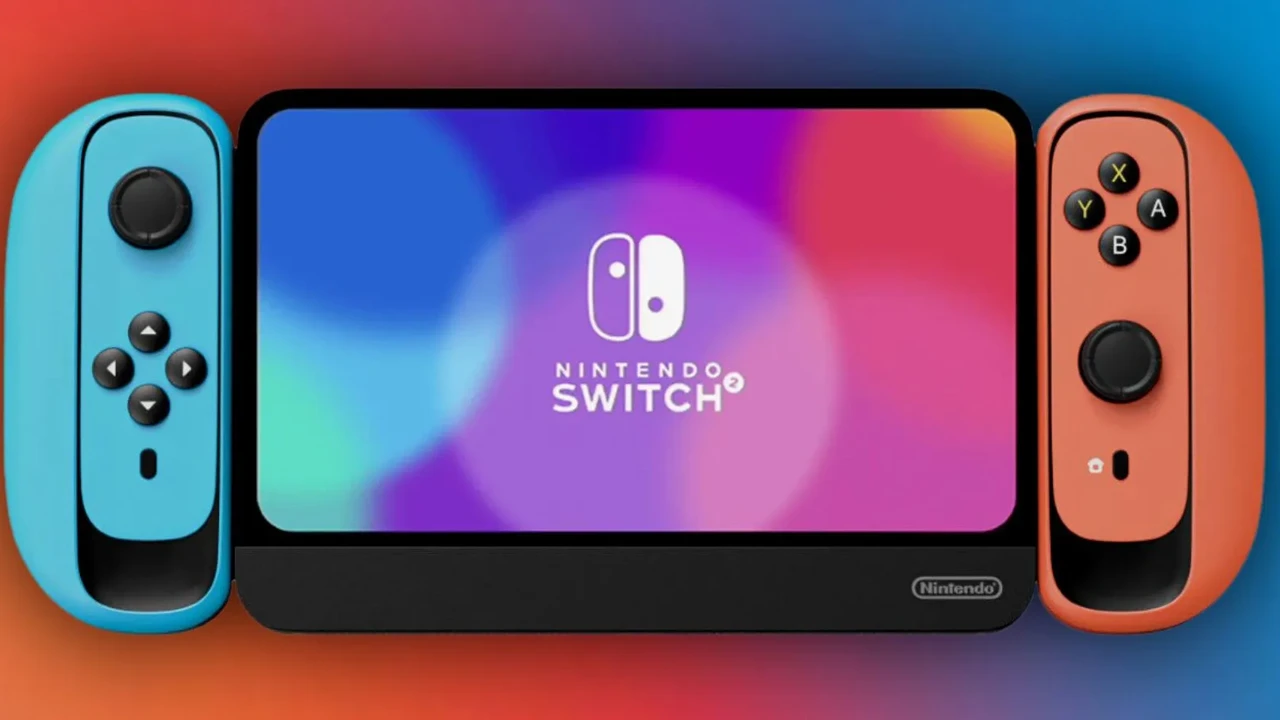
Alright, let's get into some specific product recommendations and how they'll fit into the Southeast Asian lifestyle with the Nintendo Switch 2. It's not just about the console; it's about the whole ecosystem. First, consider the Nintendo Switch 2 Console (Standard Model). This will be the bread and butter. Its hybrid nature is perfect for the diverse use cases in the region. Imagine a student playing Pokémon on the bus to school, then docking it at home to play Mario Kart with their siblings on the TV. Or a young professional unwinding with Zelda in handheld mode during their commute, then joining friends for a local multiplayer session on the big screen. The standard model will likely be priced around $349 - $399 USD, making it an attractive option for many households looking for a versatile entertainment device. Its primary use case is the ultimate flexibility: gaming anywhere, anytime, with anyone.
Next up, let's talk about the Nintendo Switch 2 Lite (Portable-Only Model). If Nintendo decides to release a 'Lite' version, this could be a game-changer for the more budget-conscious segment or those who prioritize ultimate portability. Think about its use in bustling urban environments where space is at a premium, or for younger gamers who primarily play in handheld mode. It would be ideal for solo play on long journeys, quick gaming sessions during breaks, or simply as a more affordable entry point into the Switch 2 ecosystem. We could see this priced around $199 - $249 USD. Its use case is clear: pure, unadulterated handheld gaming, perfect for personal entertainment on the go.
Then there's the potential for a Nintendo Switch 2 Pro (Enhanced Performance Model). While speculative, if Nintendo offers a 'Pro' version with enhanced graphical capabilities or a larger, higher-resolution screen, this would appeal to the more discerning gamer who wants the best possible visual experience, especially when docked. This model would likely target those who might otherwise consider a PS5 or Xbox, offering a premium Nintendo experience. It would be perfect for showcasing the graphical prowess of new first-party titles on a large TV. Expect a price point in the range of $449 - $499 USD. Its use case is for the enthusiast who wants top-tier performance and visuals from their Nintendo console, primarily for home use but with the flexibility of handheld mode.
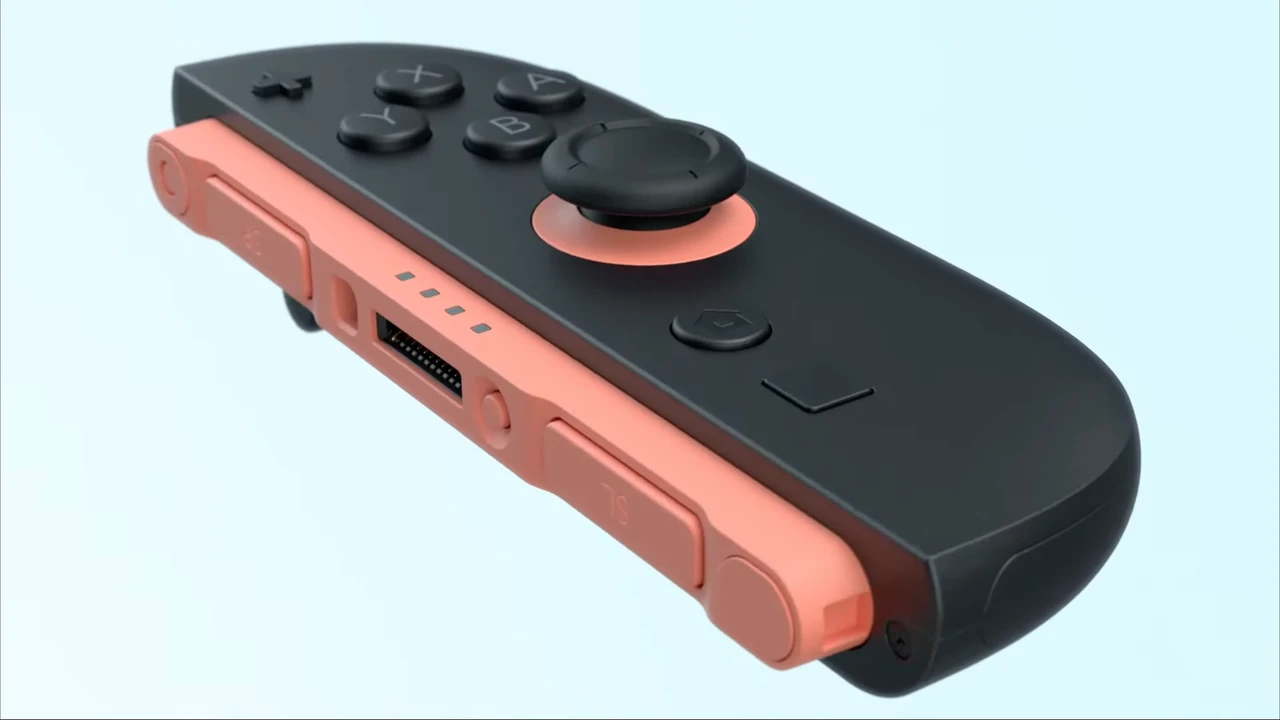
Beyond the consoles themselves, accessories are key. The Nintendo Switch 2 Pro Controller is a must-have for serious gamers, offering a more traditional and comfortable gaming experience, especially for docked play. Priced around $69 - $79 USD, it's essential for competitive multiplayer or games requiring precise controls. For families and social gatherings, extra sets of Joy-Cons (around $79 - $89 USD per pair) are crucial for local multiplayer fun, which is incredibly popular in Southeast Asia. Imagine friends gathering to play Mario Party or Smash Bros. – extra Joy-Cons make that possible. A good quality Carrying Case ($20 - $30 USD) is also vital for protecting the console during commutes and travel, given the emphasis on portability. And finally, a high-capacity MicroSD Card (e.g., 256GB for $30 - $50 USD) is almost mandatory, as digital game downloads are increasingly popular, and internal storage can fill up quickly. These accessories enhance the core experience and cater to the practical needs of gamers in the region.
The Role of Digital Distribution and Online Services
Let's not forget about the digital side of things. Digital distribution through the Nintendo eShop is going to be huge for the Switch 2 in Southeast Asia. Why? Because it offers unparalleled convenience. Gamers can buy and download games instantly, without needing to visit a physical store, which might not always be easily accessible in every area. This is especially important for regions with varying retail infrastructures. The eShop also allows for regional pricing, which Nintendo can leverage to make games more affordable and appealing in different countries within Southeast Asia. Flash sales and discounts on digital titles are also a big draw, encouraging more purchases. Beyond just buying games, Nintendo Switch Online (or its equivalent for Switch 2) will play a critical role. This subscription service offers online multiplayer, access to a library of classic NES, SNES, N64, and Game Boy games, and cloud saves. Online multiplayer is a massive driver for engagement, allowing friends to play together regardless of their physical location. The retro game library is a huge nostalgia trip for older gamers and a great way for new players to discover Nintendo's rich history. Cloud saves provide peace of mind, ensuring game progress is never lost. Nintendo could also consider expanding its online services to include more localized content, perhaps even exclusive demos or early access to games relevant to the region. The more value Nintendo can pack into its digital ecosystem, the more attractive the Switch 2 will be to the tech-savvy and digitally-inclined consumers of Southeast Asia.
Community Building and Localized Events
Finally, for the Nintendo Switch 2 to truly thrive in Southeast Asia, it's not just about selling consoles and games; it's about building a vibrant community. Nintendo has a fantastic opportunity to foster this through localized events and community engagement. Imagine official Nintendo tournaments for games like Splatoon or Super Smash Bros. held in major cities across the region. These events create excitement, bring players together, and generate buzz. They also provide a platform for local talent to shine. Beyond competitive gaming, casual meet-ups and fan conventions can strengthen the bond between Nintendo and its fanbase. Think about pop-up stores, themed cafes, or even collaborations with local artists and influencers. These initiatives make the brand feel more personal and accessible. Social media will also be a powerful tool. Dedicated local language social media channels, run by local teams, can share relevant news, engage with fans, and respond to feedback in a culturally appropriate way. User-generated content, like fan art or gameplay videos, should be encouraged and celebrated. By investing in community building and localized marketing, Nintendo can transform the Switch 2 from just a console into a central part of the gaming culture in Southeast Asia. It's about creating a sense of belonging and shared passion, which ultimately translates into long-term success and loyalty. The future looks bright for Nintendo in this dynamic and growing market!
:max_bytes(150000):strip_icc()/277019-baked-pork-chops-with-cream-of-mushroom-soup-DDMFS-beauty-4x3-BG-7505-5762b731cf30447d9cbbbbbf387beafa.jpg)