Nintendo Switch 2 Design Leaks and Rumors
{ "article": [ { "title": "Nintendo Switch 2 Design Leaks and Rumors", "meta_description": "Discover the latest leaks and rumors regarding the physical design and features of the Nintendo Switch 2.", "content": "Discover the latest leaks and rumors regarding the physical design and features of the Nintendo Switch 2. This comprehensive guide delves into every whispered detail, from potential form factors to innovative new features, helping you understand what to expect from Nintendo's next-generation console.\n\n
\n\n
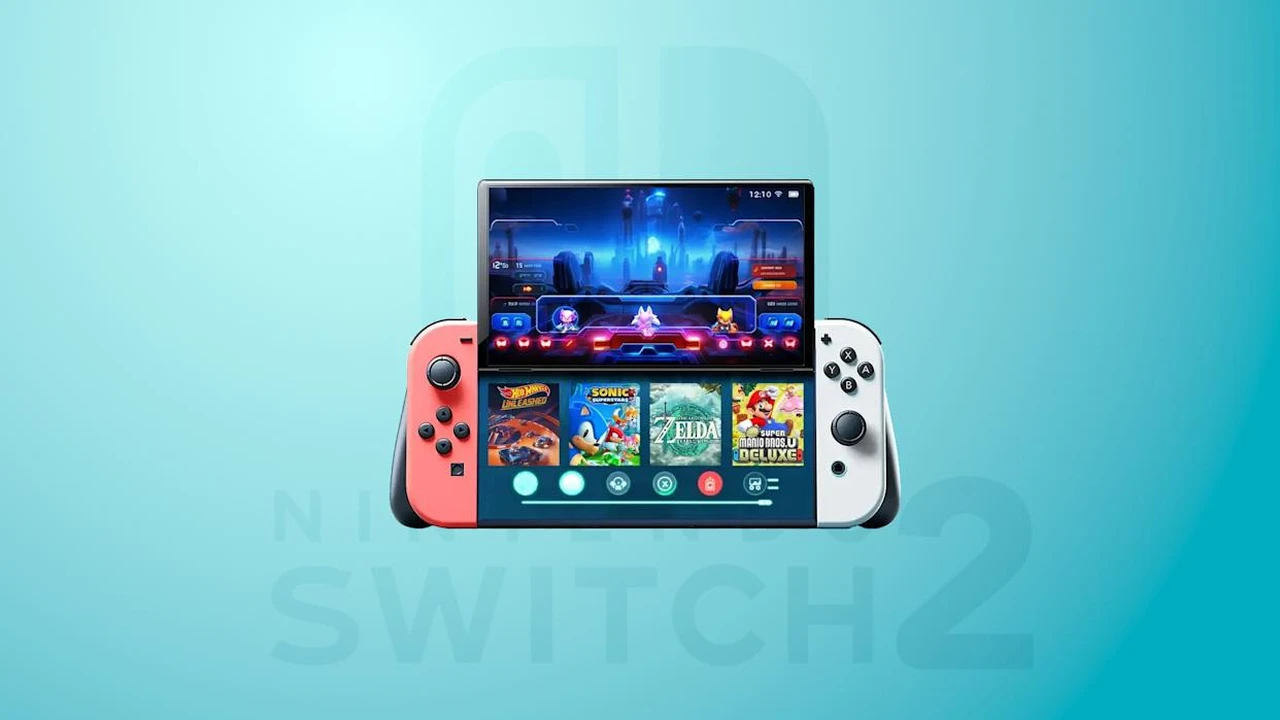
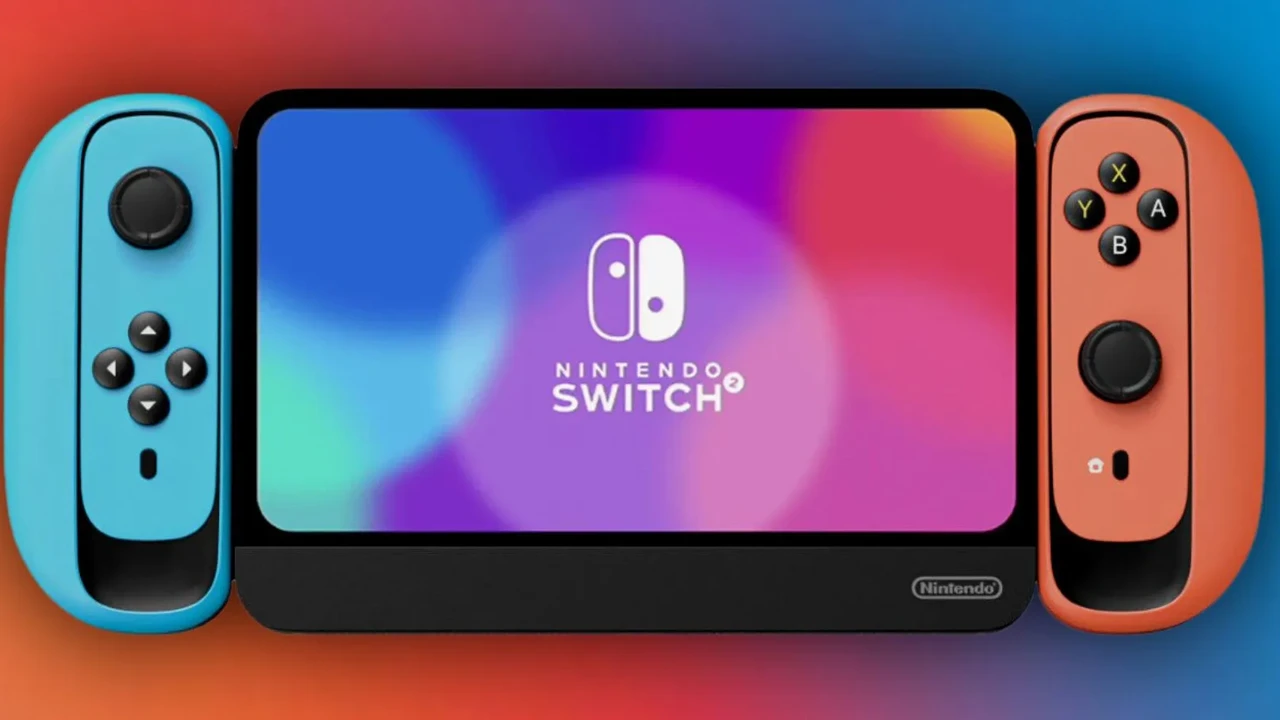
The air is thick with anticipation for the Nintendo Switch 2, and perhaps no aspect generates more buzz than its potential physical design. Will it be a radical departure, or a refined evolution of the beloved hybrid console? Leaks, patents, and industry whispers paint a fascinating picture, suggesting a device that aims to enhance the core Switch experience while introducing exciting new capabilities. This deep dive explores the most credible rumors, analyzes patent filings, and discusses the implications for gamers worldwide.
\n\nThe Evolving Form Factor Will the Hybrid Remain
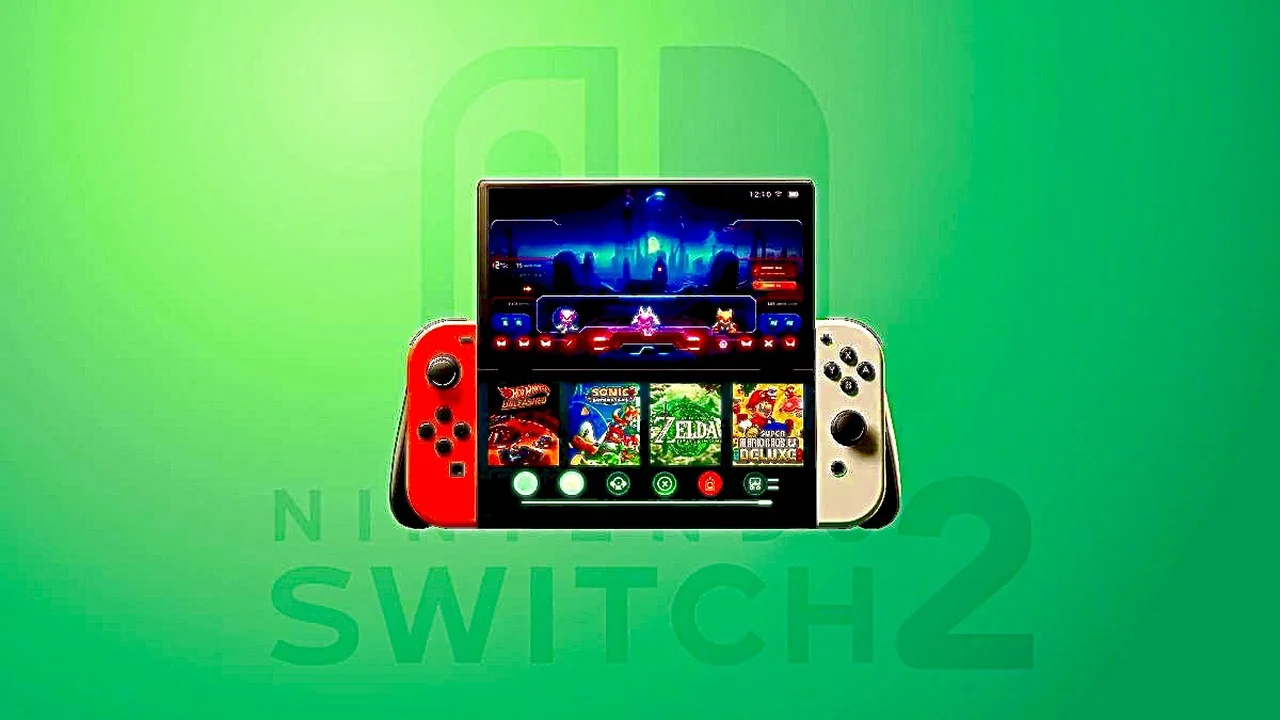
\n\nOne of the foundational questions surrounding the Nintendo Switch 2 is whether it will retain the hybrid console design that made its predecessor so revolutionary. The ability to seamlessly transition between handheld and TV modes is a cornerstone of the Switch's appeal. Most leaks and analyst predictions strongly suggest that Nintendo will stick with this successful formula, but with significant refinements.
\n\nRumors indicate a slightly larger screen, possibly moving from the current 6.2-inch (standard) and 7-inch (OLED) displays to something closer to 8 inches. This would offer a more immersive handheld experience without making the device unwieldy. The resolution is also a key point of speculation, with many hoping for a native 1080p display in handheld mode and 4K output when docked, leveraging upscaling technologies like DLSS. This would be a substantial leap from the original Switch's 720p handheld and 1080p docked capabilities.
\n\nThe overall dimensions might see a slight increase to accommodate the larger screen and potentially more robust internal components, but Nintendo is expected to prioritize portability. Think of it as a more premium, slightly larger version of the Switch OLED, rather than a complete redesign.
\n\nEnhanced Joy Cons and Controller Innovations
\n\nThe Joy-Cons are synonymous with the Nintendo Switch, offering versatile play options. However, they've also been a source of frustration for some, particularly regarding 'Joy-Con drift.' The Nintendo Switch 2 is widely expected to address these issues head-on.
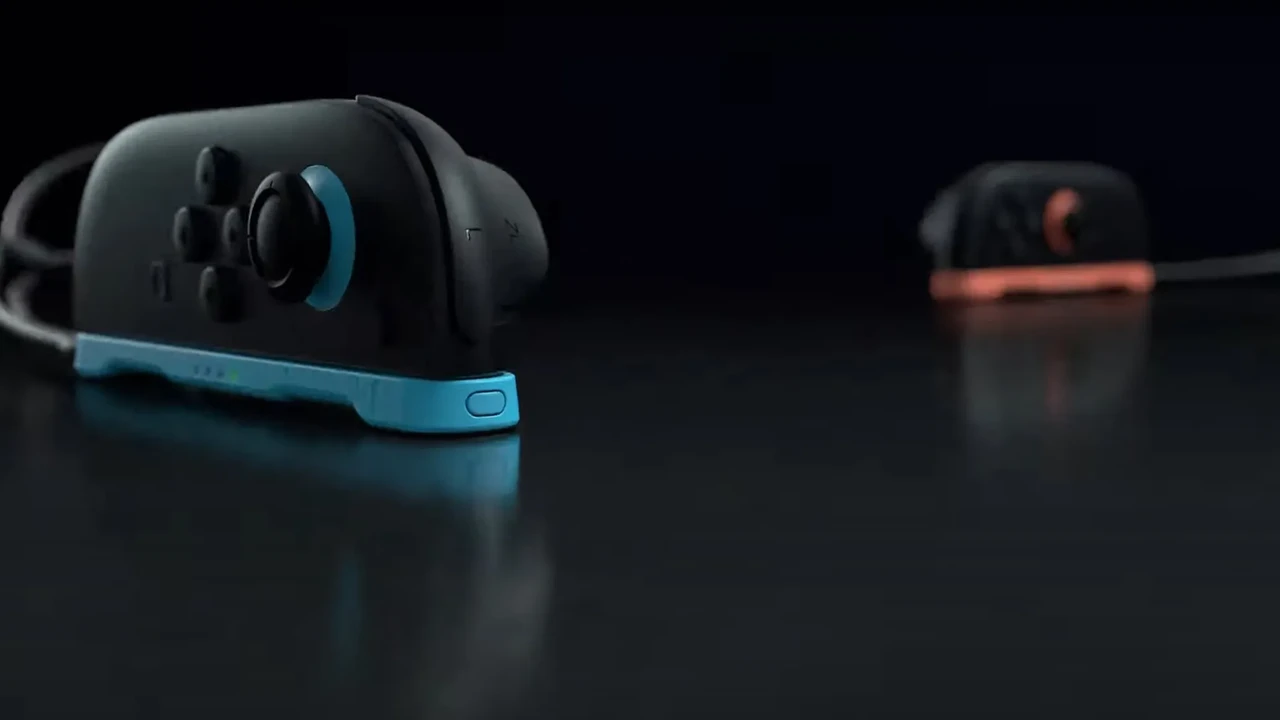
\n\nOne of the most persistent rumors, backed by patent filings, suggests a new magnetic attachment mechanism for the Joy-Cons. This would replace the current rail system, potentially offering a more secure connection and reducing wear and tear. This magnetic system could also enable new accessory types or even allow for different controller configurations. Imagine a scenario where you could easily snap on a larger, more ergonomic grip for extended handheld sessions, or even a dedicated gaming phone-like controller attachment.
\n\nBeyond the attachment method, improvements to the internal components of the Joy-Cons are highly anticipated. Hall effect joysticks, which use magnets instead of traditional potentiometers, are a popular request as they are far less susceptible to drift. Enhanced HD Rumble, more precise motion controls, and potentially even adaptive triggers similar to the PlayStation 5's DualSense controller are also on many wish lists. These improvements would not only enhance gameplay but also address long-standing user complaints.
\n\nThe Docking Station A Gateway to 4K Gaming
\n\nThe docking station is crucial for the Switch's hybrid nature, transforming it into a home console. For the Nintendo Switch 2, the dock is expected to play an even more significant role, primarily as the enabler for higher resolution output.
\n\nThe most prominent rumor is the inclusion of a new chip, likely from NVIDIA, that supports DLSS (Deep Learning Super Sampling) technology. This AI-powered upscaling technology would allow the Switch 2 to render games at a lower resolution and then intelligently upscale them to 4K when docked, providing a much sharper image on modern TVs without requiring immense raw processing power. This is a game-changer for Nintendo, allowing them to compete visually with PlayStation and Xbox in a way the original Switch never could.
\n\nBeyond resolution, the new dock might feature additional ports, such as more USB-A ports for accessories, or even an Ethernet port built-in, eliminating the need for a separate adapter. A more robust cooling solution within the dock itself could also be implemented to allow the console to run at higher clock speeds when connected to a TV, maximizing performance for docked play.
\n\nInternal Hardware What Powers the Next Gen
\n\nWhile the external design is important, the internal hardware is what truly defines a console's capabilities. The Nintendo Switch 2 is expected to feature a significant upgrade in processing power.
\n\nThe most widely cited rumor points to a custom NVIDIA Tegra chip, possibly based on the Orin or T239 architecture. This would provide a substantial boost in CPU and GPU performance compared to the original Switch's Tegra X1. This increased power is essential for running more graphically intensive games, supporting higher frame rates, and enabling features like ray tracing, which is becoming standard in modern gaming.
\n\nRAM is another critical component. The original Switch has 4GB of RAM, which is quite limited by today's standards. Leaks suggest the Switch 2 could feature 8GB or even 12GB of RAM, allowing for larger game worlds, more complex textures, and better multitasking capabilities. This would also make it easier for third-party developers to port their games to the platform.
\n\nStorage is also a major concern for Switch owners. The original Switch's 32GB (standard) or 64GB (OLED) internal storage quickly fills up. The Switch 2 is expected to offer significantly more internal storage, with 256GB or 512GB being common predictions. This would be a welcome change, reducing the immediate need for a microSD card, though expansion slots are almost certainly going to remain.
\n\nNew Features and Quality of Life Improvements
\n\nBeyond the core hardware, several quality-of-life improvements and new features are rumored to be part of the Nintendo Switch 2's design.
\n\nOne intriguing possibility is improved haptic feedback, going beyond the current HD Rumble to offer more nuanced and immersive tactile sensations. This could be integrated into the new Joy-Cons and potentially even the console itself.
\n\nBetter battery life is always a priority for portable devices. While increased power consumption from a more powerful chip is a factor, advancements in battery technology and power efficiency are expected to result in comparable or even improved battery life compared to the original Switch, especially the OLED model.
\n\nEnhanced connectivity, including Wi-Fi 6E for faster and more stable wireless connections, and Bluetooth 5.0 or higher for improved accessory compatibility and lower latency, are also highly probable upgrades. These might seem minor, but they significantly impact the overall user experience.
\n\nSome patents have even hinted at more experimental features, such as a built-in projector or augmented reality capabilities. While these are less likely to be core launch features, they demonstrate Nintendo's willingness to innovate with the console's design.
\n\nSpecific Product Recommendations and Comparisons
\n\nWhile the Nintendo Switch 2 itself is still a rumor, we can anticipate the types of accessories and design elements that will be crucial for its success. Here's a look at how current products might inform future designs and what to look for.
\n\nScreen Protectors Essential for Display Longevity
\n\nGiven the rumored larger and potentially higher-resolution screen, a robust screen protector will be an absolute must. For the current Switch, tempered glass protectors are highly recommended over plastic films due to their superior scratch resistance and feel. Brands like amFilm and Spigen offer excellent tempered glass options for the current Switch models, typically priced between $8-$15 for a pack of two. We expect similar high-quality options for the Switch 2, possibly with anti-glare coatings to enhance outdoor play.
\n\nComparison:
\n- \n
- amFilm Tempered Glass: Known for easy installation and high clarity. \n
- Spigen GlasTR EZ Fit: Features an alignment frame for perfect application. \n
- HORI Blue Light Cut Filter: Offers eye protection but might slightly alter color. \n
Usage Scenario: Protecting the screen from scratches, drops, and smudges during handheld play and travel. Essential for maintaining resale value and visual clarity.
\n\nCarrying Cases Protecting Your Investment
\n\nA good carrying case is vital for any portable console. With a potentially slightly larger form factor, new cases will be necessary. Look for cases that offer hard-shell protection, dedicated slots for game cartridges, and a mesh pocket for accessories like charging cables or earbuds. Brands like Orzly, Tomtoc, and PowerA are popular for the current Switch, offering cases ranging from $20-$40 depending on features and size.
\n\nComparison:
\n- \n
- Orzly Travel Case: Offers robust protection and ample storage for games and accessories. \n
- Tomtoc Slim Case: Focuses on a minimalist design while still providing good protection. \n
- PowerA Protection Case: Often features official Nintendo branding and designs. \n
Usage Scenario: Transporting the console safely, whether for daily commutes, long trips, or simply storing it securely at home.
\n\nErgonomic Grips Enhancing Handheld Comfort
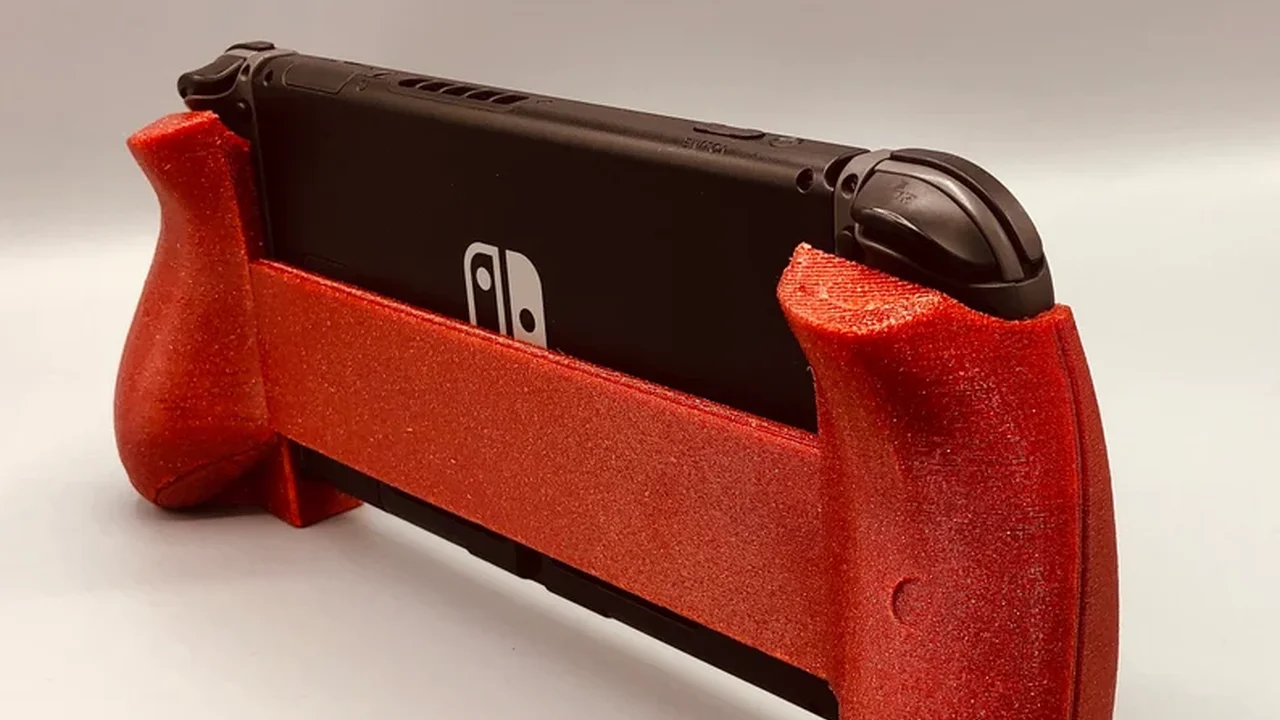
\n\nIf the Joy-Cons retain a similar slim profile, ergonomic grips will continue to be popular. These accessories snap onto the console, providing a more substantial and comfortable grip, especially for players with larger hands or during extended gaming sessions. Brands like Satisfye and Skull & Co. are highly regarded, with their grips typically costing between $25-$45.
\n\nComparison:
\n- \n
- Satisfye ZenGrip Pro: Widely praised for its comfortable, asymmetrical design. \n
- Skull & Co. NeoGrip: Offers interchangeable grips to suit different hand sizes. \n
- HORI Split Pad Pro: Replaces Joy-Cons entirely for a more traditional controller feel in handheld mode.
Usage Scenario: Improving comfort and reducing hand fatigue during long handheld gaming sessions, especially for action-heavy games.
\n\nExternal Storage MicroSD Cards for Your Digital Library
\n\nEven with increased internal storage, digital game libraries grow quickly. High-capacity microSD cards will remain essential. For the current Switch, SanDisk and Samsung EVO Select are top choices, offering reliable performance. Prices vary significantly by capacity, but a 256GB card can be found for $25-$40, and 512GB for $50-$80. For the Switch 2, faster read/write speeds might be beneficial, so look for cards rated A2 for optimal app performance.
\n\nComparison:
\n- \n
- SanDisk Ultra microSDXC (Nintendo Licensed): Officially licensed, ensuring compatibility and reliability. \n
- Samsung EVO Select microSDXC: Excellent value and performance for the price. \n
- Lexar Play microSDXC: Designed for gaming, offering good speeds. \n
Usage Scenario: Expanding storage for digital games, DLC, and screenshots/videos. Crucial for players who prefer digital downloads.
\n\nPro Controllers For Serious Docked Play
\n\nFor docked play, a dedicated Pro Controller offers superior ergonomics and performance compared to individual Joy-Cons. Nintendo's own Pro Controller is excellent, but third-party options from brands like PowerA and 8BitDo offer alternatives, sometimes with additional features or lower price points. Expect the Switch 2 to be compatible with existing Pro Controllers, but new ones might be released to take advantage of any new features like enhanced haptics.
\n\nComparison:
\n- \n
- Nintendo Switch Pro Controller: Premium build, excellent battery life, HD Rumble. Price: $60-$70. \n
- PowerA Enhanced Wireless Controller: More affordable, often licensed, but uses AA batteries. Price: $40-$50. \n
- 8BitDo Ultimate Bluetooth Controller: Features Hall effect joysticks, charging dock, and multi-platform support. Price: $70-$80. \n
Usage Scenario: Competitive gaming, long play sessions in TV mode, or for players who prefer a traditional console controller feel.
\n\nThe Road Ahead What to Expect Next
\n\nThe design of the Nintendo Switch 2 is clearly shaping up to be an evolution rather than a revolution, focusing on enhancing the core strengths of the original while addressing its limitations. The emphasis on a larger, higher-resolution screen, improved Joy-Cons, and 4K upscaling via the dock are all strategic moves to keep Nintendo competitive in the modern gaming landscape.
\n\nAs we move closer to an official announcement, more concrete details will undoubtedly emerge. Keep an eye on patent filings, supply chain leaks, and official statements from Nintendo. The excitement is palpable, and the Nintendo Switch 2 promises to be a fascinating piece of hardware that continues to push the boundaries of hybrid gaming.
" } ] }:max_bytes(150000):strip_icc()/277019-baked-pork-chops-with-cream-of-mushroom-soup-DDMFS-beauty-4x3-BG-7505-5762b731cf30447d9cbbbbbf387beafa.jpg)