Nintendo Switch 2 Sales Predictions
Expert forecasts and predictions for the sales performance of the Nintendo Switch 2.
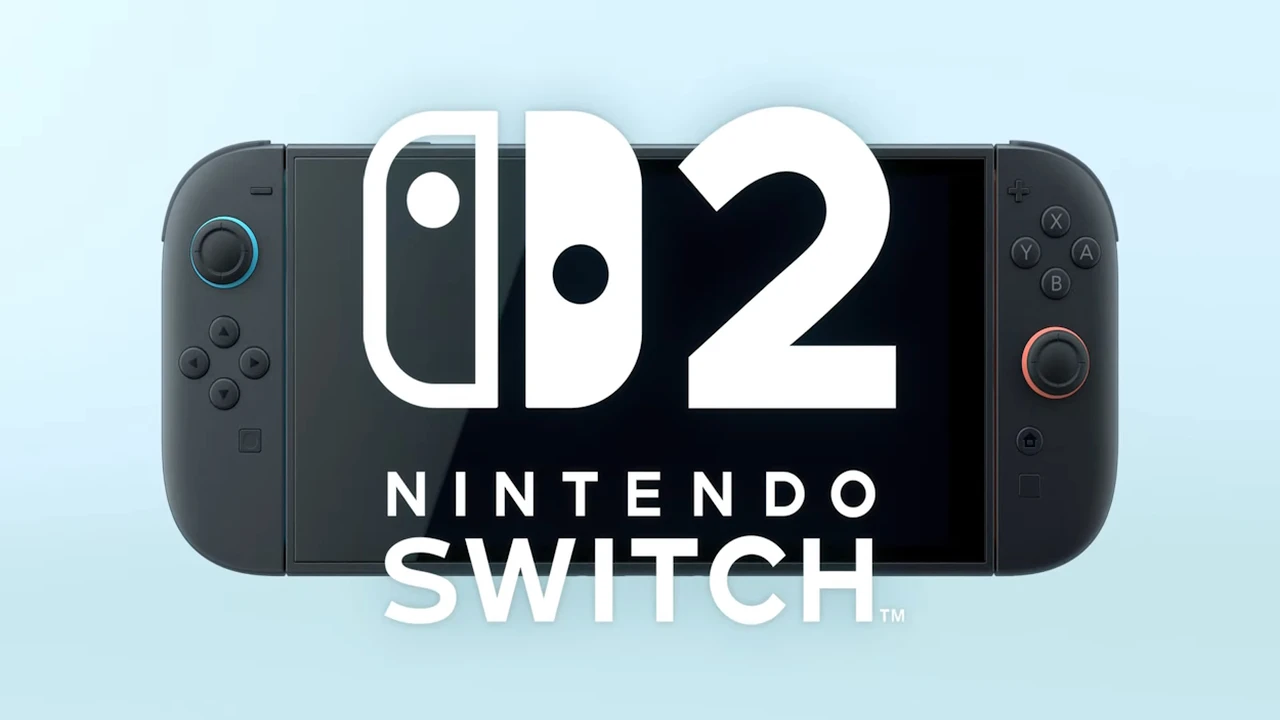
Expert forecasts and predictions for the sales performance of the Nintendo Switch 2.
Nintendo Switch 2 Sales Predictions Unpacking the Future of Gaming
The gaming world is buzzing with anticipation for the Nintendo Switch 2. Following the monumental success of its predecessor, the original Nintendo Switch, all eyes are on what Nintendo's next console will bring to the table. But beyond the technical specifications and potential game lineups, one of the most compelling questions for industry analysts, investors, and even casual gamers is: how well will the Nintendo Switch 2 sell? This article dives deep into expert forecasts and predictions for the sales performance of the Nintendo Switch 2, considering various factors that will influence its market reception and ultimate success.
Understanding the Nintendo Switch 2 Market Landscape
Before we delve into specific numbers, it's crucial to understand the current market landscape the Nintendo Switch 2 will enter. The original Switch has sold over 130 million units worldwide, making it one of the best-selling consoles of all time. This establishes a massive install base and a loyal customer segment. However, the market has also evolved. We now have more powerful competitors like the PlayStation 5 and Xbox Series X/S, as well as a burgeoning PC handheld market led by devices like the Steam Deck and ROG Ally. The Nintendo Switch 2 needs to carve out its niche while appealing to both its existing fanbase and new consumers.
Key Factors Influencing Nintendo Switch 2 Sales Performance
Several critical factors will play a significant role in determining the Nintendo Switch 2's sales trajectory. Let's break them down:
Nintendo Switch 2 Price Point and Affordability
Price is always a major determinant of consumer adoption. The original Switch launched at $299, a sweet spot that made it accessible to a wide audience. If the Nintendo Switch 2 comes in significantly higher, say $399 or even $449, it could deter some potential buyers, especially in price-sensitive markets like Southeast Asia. Conversely, a competitive price point could drive massive day-one sales. Analysts are generally predicting a price in the range of $349 to $399, balancing new technology with market accessibility.
Nintendo Switch 2 Launch Titles and Game Library
Nintendo's strength has always been its first-party software. A strong lineup of launch titles, especially new entries in beloved franchises like Mario, Zelda, or Pokémon, will be absolutely crucial. Imagine a new 3D Mario game or a groundbreaking Zelda title available on day one – that alone could move millions of units. Furthermore, robust third-party support and a clear path for backward compatibility with the original Switch's vast library will reassure existing owners and attract new ones. The more compelling the game library, the higher the sales.
Nintendo Switch 2 Hardware Innovations and Features
What new tricks will the Nintendo Switch 2 have up its sleeve? Improved graphics, better battery life, a more vibrant display (perhaps OLED as standard), and enhanced Joy-Con functionality are all expected. If Nintendo introduces truly innovative features that differentiate it from competitors and enhance the gaming experience in unique ways, it will create significant buzz and drive demand. For example, a new form of haptic feedback, advanced AR capabilities, or a more seamless transition between handheld and docked modes could be game-changers.
Nintendo Switch 2 Marketing and Brand Power
Nintendo's brand is incredibly powerful, synonymous with fun, innovation, and family-friendly gaming. Their marketing campaigns are often highly effective. A well-executed marketing strategy that highlights the console's unique selling points, targets both core gamers and casual audiences, and builds excitement leading up to launch will be vital for strong sales. Expect a global marketing blitz, especially in key markets like the US and Southeast Asia.
Nintendo Switch 2 Supply Chain and Manufacturing Capacity
The original Switch faced supply chain challenges, especially during the pandemic. Nintendo will need to ensure a robust supply chain and sufficient manufacturing capacity to meet initial demand and avoid stock shortages. Consistent availability is key to sustained sales momentum. Any significant supply issues could dampen early sales figures and frustrate consumers.
Expert Sales Predictions for Nintendo Switch 2
Based on these factors, various industry analysts and financial institutions have begun to release their sales predictions for the Nintendo Switch 2. While numbers vary, a general consensus is beginning to emerge:
First Year Nintendo Switch 2 Sales Forecasts
Many analysts are predicting strong first-year sales, often in the range of 15 to 25 million units. For instance, Dr. Serkan Toto, a prominent gaming industry consultant, has suggested that Nintendo could aim for 20 million units in its first fiscal year. Investment banks like Jefferies and Macquarie have also put out similar figures, citing Nintendo's strong brand loyalty and the pent-up demand for a hardware refresh. This would put the Switch 2 on a trajectory to surpass the PS5's initial sales pace, though perhaps not matching the original Switch's explosive debut which benefited from a less crowded market.
Nintendo Switch 2 Long Term Sales Projections
Looking further out, projections for the Nintendo Switch 2's lifetime sales are even more optimistic. Many believe it has the potential to reach or even exceed the original Switch's impressive 130+ million units. This would place it among the top-selling consoles of all time, potentially challenging the PlayStation 2's record. This long-term success hinges on continued software support, consistent hardware revisions (like a potential 'Switch 2 Lite' or 'Switch 2 Pro' down the line), and Nintendo's ability to keep its ecosystem vibrant and engaging.
Comparing Nintendo Switch 2 Sales with Competitors
It's useful to put these predictions into context by comparing them with current console sales and market trends:
Nintendo Switch 2 vs PlayStation 5 Sales
The PlayStation 5 has sold over 50 million units since its late 2020 launch. While the PS5 targets a different demographic with its focus on high-fidelity graphics and traditional console gaming, the Switch 2's hybrid nature gives it a unique advantage. Its portability and family appeal could allow it to capture a broader market segment, potentially leading to faster initial sales than the PS5, especially if supply is robust.
Nintendo Switch 2 vs Xbox Series X S Sales
The Xbox Series X/S has sold around 28 million units. Microsoft's strategy heavily relies on Game Pass and cloud gaming. While the Switch 2 isn't expected to directly compete on raw power, its unique gameplay experiences and first-party titles will likely ensure it maintains its dominant position in the handheld/hybrid market, outselling Xbox in terms of hardware units.
Nintendo Switch 2 vs PC Handhelds Sales
Devices like the Steam Deck and ROG Ally cater to a more niche, tech-savvy audience. While their sales numbers are significantly lower than traditional consoles, they represent a growing segment. The Nintendo Switch 2 will need to offer compelling reasons for consumers not to opt for these more powerful, open-platform alternatives, primarily through its exclusive games and user-friendly ecosystem.
Specific Product Recommendations and Usage Scenarios
While we don't have the Nintendo Switch 2 yet, we can anticipate the types of products and usage scenarios that will drive its sales, drawing parallels from the original Switch's success and market trends.
For the Casual Gamer and Family Fun
Product: The standard Nintendo Switch 2 console bundle, likely including the console, Joy-Cons, and dock. Perhaps a bundle with a new Mario Kart or a family-friendly party game.
Usage Scenario: Weekend family gaming sessions in the living room, kids taking the console on car trips, casual gaming on the couch. The ease of use and intuitive controls will be key.
Comparison: Simpler than a PS5 or Xbox, more versatile than a mobile phone for gaming. Its hybrid nature makes it perfect for shared experiences.
Anticipated Price: $349 - $399 for the base console.
For the Dedicated Handheld Enthusiast
Product: A potential 'Nintendo Switch 2 Lite' or a version optimized for handheld play, perhaps with a slightly smaller form factor or integrated Joy-Cons for durability.
Usage Scenario: Commuting, travel, playing in bed, or anywhere on the go. Focus on battery life and screen quality.
Comparison: More portable and likely more affordable than a Steam Deck, with a superior game library for on-the-go play compared to mobile gaming.
Anticipated Price: $299 - $349 for a handheld-focused model.
For the Core Gamer Seeking Performance
Product: The standard Nintendo Switch 2, possibly paired with a 'Pro Controller 2' and a high-capacity microSD card.
Usage Scenario: Playing graphically intensive first-party titles like a new Zelda or Metroid, enjoying online multiplayer, or diving into third-party AAA games.
Comparison: While not matching PS5/Xbox Series X raw power, the Switch 2 will offer a significant upgrade over the original, making its exclusive titles shine. Its portability adds a dimension not found in traditional consoles.
Anticipated Price: Console at $349 - $399, Pro Controller 2 at $69 - $79, 512GB microSD card at $50 - $80.
For the Accessory Enthusiast and Collector
Product: Special edition Nintendo Switch 2 consoles, themed Joy-Cons, amiibo figures, and various third-party accessories like carrying cases, screen protectors, and charging docks.
Usage Scenario: Personalizing their console, enhancing specific gameplay experiences (e.g., racing wheels for Mario Kart), or displaying their fandom.
Comparison: Nintendo has a rich history of collectible hardware and accessories, fostering a strong community around its products.
Anticipated Price: Special edition consoles could be $429 - $499. Accessories vary widely, from $10 for a screen protector to $100+ for specialized controllers.
The Role of Regional Markets in Nintendo Switch 2 Sales
The global sales performance of the Nintendo Switch 2 will be heavily influenced by its reception in key regional markets:
Nintendo Switch 2 Sales in the US Market
The United States is a crucial market for Nintendo. It's a high-spending region with a strong appetite for gaming. Nintendo's brand recognition is incredibly high here, and the original Switch performed exceptionally well. Expect aggressive marketing, strong retail partnerships, and a focus on both family-friendly and core gaming experiences to drive sales in the US.
Nintendo Switch 2 Sales in Southeast Asia Market
Southeast Asia is a rapidly growing gaming market with a young, tech-savvy population. While price sensitivity can be a factor, the region's increasing disposable income and strong mobile gaming culture make it ripe for a portable console like the Switch 2. Nintendo will likely need to tailor its pricing and marketing strategies to resonate with local preferences, potentially offering more localized content or bundles. The hybrid nature of the Switch 2, allowing for both home and on-the-go play, aligns well with the diverse lifestyles in this region.
Nintendo Switch 2 Sales in Japan and Europe
Japan remains Nintendo's home turf, where the Switch has been a cultural phenomenon. Expect continued strong sales driven by local preferences for handheld gaming and Nintendo's deep roots in the market. Europe is also a significant market, with diverse gaming tastes. Nintendo's ability to cater to these varied preferences will be key to its success across the continent.
Potential Challenges to Nintendo Switch 2 Sales
While the outlook is largely positive, there are potential headwinds that could impact Nintendo Switch 2 sales:
Economic Downturns and Inflation
Global economic conditions, including inflation and potential recessions, could impact consumer spending on discretionary items like gaming consoles. A higher price point for the Switch 2 in such an environment could make it a harder sell for some households.
Intense Competition from Other Platforms
The gaming market is more competitive than ever. While the Switch 2 occupies a unique niche, it still competes for consumer dollars with powerful home consoles, increasingly capable PC handhelds, and the ever-present mobile gaming market. Nintendo needs to clearly articulate its value proposition.
Lack of Significant Innovation
If the Nintendo Switch 2 is perceived as merely an incremental upgrade rather than a significant leap forward, it might not generate the same level of excitement and urgency to upgrade, especially for owners of the Switch OLED model.
Supply Chain Issues
As seen during the pandemic, global supply chain disruptions can severely impact console availability and sales. Nintendo will need to have robust plans in place to mitigate such risks.
The Future is Bright for Nintendo Switch 2 Sales
Despite potential challenges, the overall sentiment among analysts and industry observers is overwhelmingly positive for the Nintendo Switch 2. With a massive existing fanbase, a proven track record of innovation, and an unparalleled library of first-party intellectual property, Nintendo is in a strong position to deliver another blockbuster console. The sales predictions, ranging from 15-25 million in the first year and potentially exceeding 100 million lifetime units, reflect this optimism. The Nintendo Switch 2 is poised not just to be a successor but a significant evolution, ready to capture the hearts and wallets of gamers worldwide, from the bustling cities of Southeast Asia to the living rooms of America.
:max_bytes(150000):strip_icc()/277019-baked-pork-chops-with-cream-of-mushroom-soup-DDMFS-beauty-4x3-BG-7505-5762b731cf30447d9cbbbbbf387beafa.jpg)