Nintendo Switch 2 Patent Filings Explained
Breaking down recent Nintendo patent filings that could hint at Switch 2 features.
Breaking down recent Nintendo patent filings that could hint at Switch 2 features.
Nintendo Switch 2 Patent Filings Explained
The world of gaming is constantly buzzing with rumors and speculation, especially when it comes to a highly anticipated console like the Nintendo Switch 2. While official announcements are still under wraps, one of the most reliable sources of information for future tech often comes from patent filings. These legal documents, filed by companies to protect their intellectual property, can offer fascinating glimpses into potential features, designs, and technologies that might be incorporated into upcoming products. For the Nintendo Switch 2, a deep dive into recent patent filings reveals several intriguing possibilities that could shape the next generation of Nintendo’s hybrid console.
Understanding Nintendo Switch 2 Patent Significance
Why are patent filings so important for understanding the Nintendo Switch 2? Patents are essentially blueprints for innovation. Companies like Nintendo invest significant resources into research and development, and they file patents to secure exclusive rights to their inventions. While not every patented idea makes it into a final product, these filings indicate areas of active development and strategic interest. For the Nintendo Switch 2, analyzing these patents helps us piece together a more concrete picture of what Nintendo might be planning, from new display technologies to improved controllers and even novel gaming experiences.
Nintendo Switch 2 Display Technology Patents
One of the most talked-about aspects of any new console is its display. Nintendo has filed several patents that hint at potential advancements for the Nintendo Switch 2’s screen. One notable patent describes a display with improved brightness and color accuracy, possibly indicating a move towards a more advanced OLED panel than the current Switch OLED model, or even a new type of display technology altogether. Another filing details a display that can dynamically adjust its refresh rate, which could lead to smoother gameplay and better battery efficiency. Imagine a game running at a buttery-smooth 120Hz when docked, and then intelligently scaling down to 60Hz or even 30Hz in handheld mode to conserve power without a noticeable drop in visual quality for less demanding titles. This adaptive refresh rate technology, often seen in high-end smartphones and monitors, would be a significant upgrade for the Nintendo Switch 2, offering a more premium visual experience.
Comparing Nintendo Switch 2 Display Patents with Current Models
To put these potential display upgrades into perspective, let's compare them with the current Nintendo Switch models. The original Switch features a 6.2-inch LCD screen, while the Switch OLED boasts a vibrant 7-inch OLED display. While the OLED model was a significant visual upgrade, it still operates at a fixed 60Hz refresh rate. The patents suggest that the Nintendo Switch 2 could push beyond this, offering not just a larger or more vibrant screen, but one that is also more technologically advanced in terms of refresh rate and power management. This could mean a display that rivals or even surpasses some of the best portable gaming devices on the market, providing a truly immersive visual experience for Nintendo Switch 2 users.
Nintendo Switch 2 Controller and Input Patents
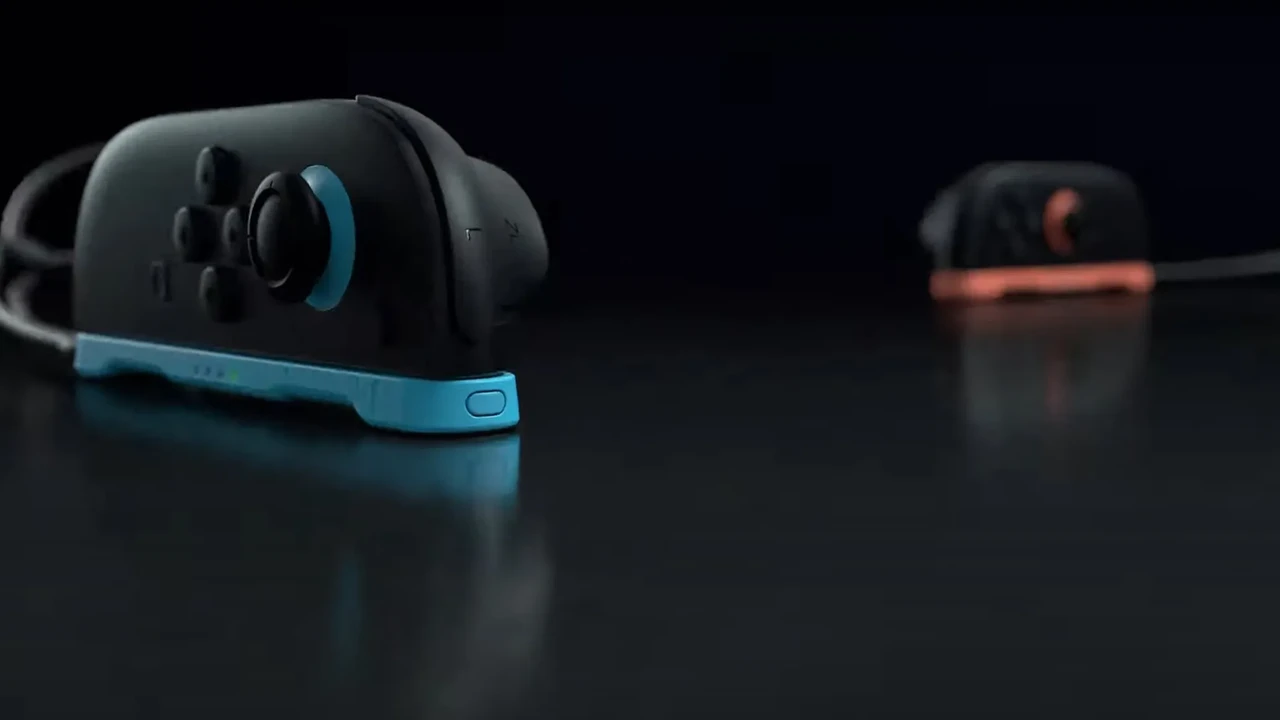
The Joy-Cons are iconic to the Nintendo Switch, but they've also been a source of some user complaints, particularly regarding 'Joy-Con drift.' Nintendo’s patent filings suggest they are actively working on addressing these issues and introducing new functionalities for the Nintendo Switch 2 controllers. One patent describes a new type of haptic feedback system, potentially offering more nuanced and realistic vibrations than the current HD Rumble. This could enhance immersion in games, allowing players to feel subtle textures or the impact of different actions with greater precision. Another intriguing patent details a controller with improved analog stick mechanisms, possibly designed to reduce or eliminate drift. This would be a massive win for Nintendo Switch 2 users, as Joy-Con drift has been a persistent problem for many. Furthermore, there are filings that hint at new input methods, such as pressure-sensitive buttons or even integrated cameras within the controllers, opening up possibilities for new gameplay mechanics and augmented reality experiences on the Nintendo Switch 2.
Potential New Nintendo Switch 2 Controller Features
Beyond fixing existing issues, Nintendo seems to be exploring entirely new ways to interact with the Nintendo Switch 2. One patent describes a controller with a built-in projector, allowing users to project game elements onto a surface, blurring the lines between the digital and physical world. While this might sound futuristic, it aligns with Nintendo's history of innovative and sometimes unconventional input methods. Another patent details a controller with a flexible or deformable body, suggesting new ways to squeeze, twist, or bend the controller for unique gameplay interactions. These patents, if implemented, could make the Nintendo Switch 2 controllers even more versatile and engaging than their predecessors, offering a fresh take on gaming input.
Nintendo Switch 2 Docking and Connectivity Patents
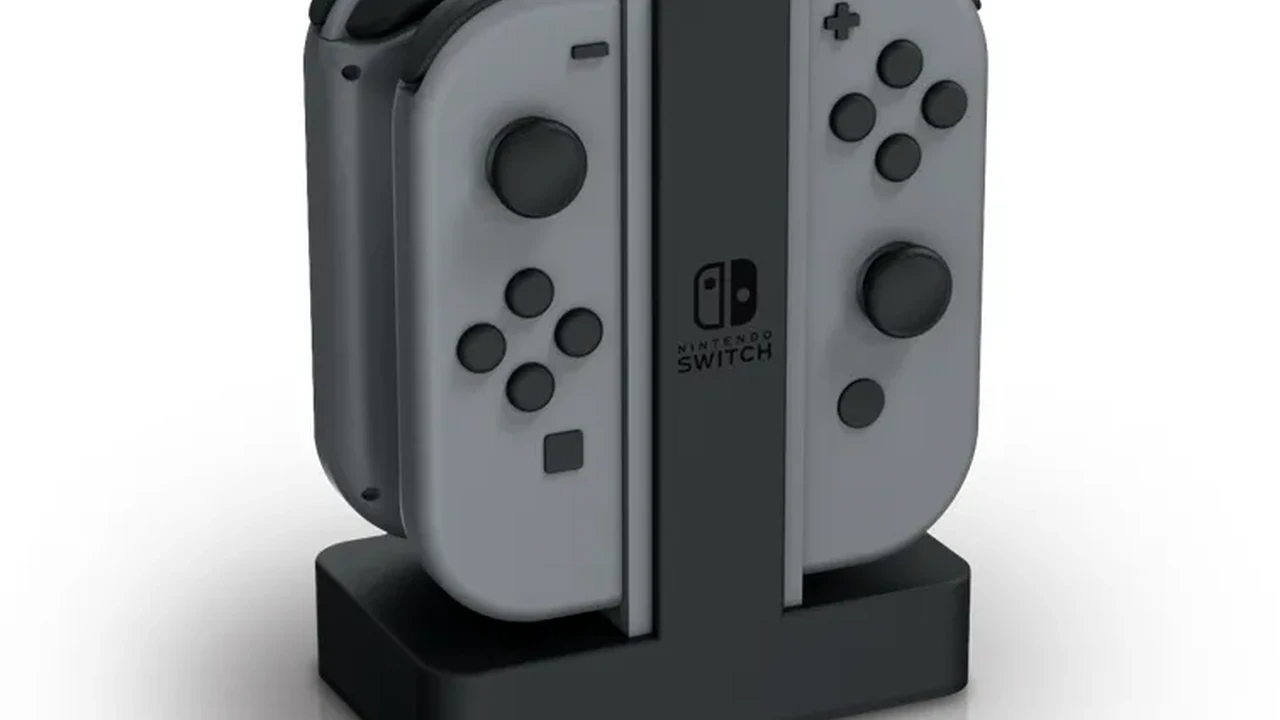
The hybrid nature of the Switch is a core selling point, and patents related to the Nintendo Switch 2’s docking station and connectivity are particularly interesting. One patent describes a more advanced docking system that could potentially offer improved cooling for the console when docked, allowing for sustained higher performance. This would be crucial for the Nintendo Switch 2 to deliver a true home console experience when connected to a TV. Another filing hints at enhanced connectivity options, such as support for faster Wi-Fi standards (like Wi-Fi 6E) and improved Bluetooth capabilities, which would lead to more stable online gaming and better peripheral support for the Nintendo Switch 2. There are also patents that explore the idea of a 'smart dock' that could have its own processing power or even act as a hub for other smart home devices, further integrating the Nintendo Switch 2 into a broader ecosystem.
Comparing Nintendo Switch 2 Docking with Current Models
The current Nintendo Switch dock is relatively simple, primarily serving as a charging station and video output. The patents suggest that the Nintendo Switch 2 dock could be a much more sophisticated piece of hardware. Imagine a dock that not only charges your console and outputs to your TV but also actively cools the system, boosts its performance, and provides additional ports for accessories. This would transform the Nintendo Switch 2 from a simple hybrid console into a more powerful and versatile entertainment hub, offering a seamless transition between handheld and TV modes with enhanced capabilities.
Nintendo Switch 2 Software and User Interface Patents
Beyond hardware, Nintendo also files patents related to software and user interface (UI) elements. These patents can give us clues about how users will interact with the Nintendo Switch 2’s operating system and games. One patent describes a more intuitive and customizable home screen, allowing users to personalize their gaming experience. Another filing details improved social features, making it easier to connect with friends and share gaming moments on the Nintendo Switch 2. There are also patents that hint at advanced AI integration, potentially for personalized game recommendations or even in-game assistance. These software patents suggest that Nintendo is looking to refine the user experience, making the Nintendo Switch 2 more user-friendly and connected.
Potential Nintendo Switch 2 UI Enhancements
Think about the current Nintendo Switch UI – it's functional but relatively basic. The patents suggest a more dynamic and interactive interface for the Nintendo Switch 2. This could include features like live activity feeds from friends, more robust messaging capabilities, and even integrated streaming services directly accessible from the home screen. The goal seems to be to create a more cohesive and engaging ecosystem around the Nintendo Switch 2, making it not just a gaming device but a central hub for entertainment and social interaction.
Nintendo Switch 2 Augmented Reality and Virtual Reality Patents
Nintendo has dabbled in AR and VR before, most notably with Labo VR. Recent patent filings indicate that they might be taking these technologies more seriously for the Nintendo Switch 2. One patent describes a system for integrating AR elements directly into gameplay, using the console’s cameras to overlay digital content onto the real world. Another filing details a more advanced VR headset design, potentially offering a more comfortable and immersive experience than previous attempts. While it's unlikely the Nintendo Switch 2 will be a dedicated VR console, these patents suggest that AR and VR capabilities could be a significant feature, offering unique and innovative gameplay experiences.
Nintendo Switch 2 AR VR Product Recommendations
While specific Nintendo Switch 2 AR/VR accessories are speculative, we can look at existing products that might inspire Nintendo's approach. For a more casual AR experience, similar to what's hinted at in some patents, consider products like the Merge Cube (around $15-$20 USD). This foam cube, when viewed through a smartphone or tablet camera, appears to hold holographic objects, offering a simple yet engaging AR experience. For a more immersive, yet still accessible, VR experience, the Google Cardboard (starting around $10 USD) or similar smartphone VR headsets provide a basic entry point. These are not direct competitors but illustrate the range of accessible AR/VR experiences. If Nintendo were to release a dedicated AR/VR accessory for the Nintendo Switch 2, it would likely be a more integrated and refined version, potentially priced in the $50-$150 USD range, offering a unique selling point for the console.
Nintendo Switch 2 Power Management and Battery Patents
Battery life is crucial for a portable console, and Nintendo’s patents show a focus on improving power management for the Nintendo Switch 2. One patent describes a more efficient power delivery system, designed to reduce energy consumption and extend playtime. Another filing details a new battery technology, potentially offering higher capacity in a smaller form factor. These advancements would be a welcome improvement for Nintendo Switch 2 users, allowing for longer gaming sessions on the go without constantly searching for a charger. Imagine playing your favorite games for hours longer on a single charge, making the Nintendo Switch 2 an even more ideal travel companion.
Nintendo Switch 2 Battery Life Expectations
The original Switch offers around 4.5-9 hours of battery life, while the OLED model provides 4.5-9 hours. With the patented improvements, the Nintendo Switch 2 could potentially push these numbers even further, perhaps offering 6-12 hours or more depending on the game and settings. This would be a significant competitive advantage, especially for gamers who frequently play in handheld mode or during commutes. The focus on efficient power management in these patents suggests that Nintendo is prioritizing extended playtime for the Nintendo Switch 2.
Nintendo Switch 2 Cooling System Patents
As consoles become more powerful, effective cooling becomes increasingly important to prevent overheating and maintain performance. Nintendo has filed patents related to advanced cooling solutions for the Nintendo Switch 2. One patent describes a more efficient heat dissipation system, potentially involving new fan designs or liquid cooling elements. Another filing details a system that can dynamically adjust cooling based on the console’s workload, ensuring optimal performance without excessive noise. These patents suggest that Nintendo is committed to ensuring the Nintendo Switch 2 can handle demanding games without throttling, providing a consistent and smooth gaming experience.
Comparing Nintendo Switch 2 Cooling with Current Models
The current Nintendo Switch models rely on a single fan and passive cooling. While generally adequate, some demanding games can cause the console to run warm. The patents for the Nintendo Switch 2 suggest a more robust and intelligent cooling system. This could mean a quieter console, better sustained performance during long gaming sessions, and a longer lifespan for the hardware. A more advanced cooling system would allow the Nintendo Switch 2 to push graphical boundaries and run more complex games without compromise.
Nintendo Switch 2 Storage and Memory Patents
Game sizes are constantly growing, making storage and memory crucial for any modern console. Nintendo’s patent filings hint at potential upgrades for the Nintendo Switch 2’s storage and memory solutions. One patent describes a faster internal storage solution, possibly utilizing NVMe SSD technology, which would lead to significantly faster loading times for games. Another filing details a system for more efficient memory management, allowing the Nintendo Switch 2 to handle more complex game assets and multitasking. These advancements would greatly improve the overall user experience, reducing wait times and allowing for a smoother flow between applications on the Nintendo Switch 2.
Nintendo Switch 2 Storage Expansion Options
While internal storage is important, external expansion is also key. The current Switch uses microSD cards. For the Nintendo Switch 2, patents might suggest support for faster microSD standards (like UHS-II or even UHS-III) or perhaps even external SSD support via a USB-C port. For current external storage solutions, a high-speed microSD card like the SanDisk Extreme microSDXC 512GB (around $60-$80 USD) offers excellent performance for the current Switch. If the Nintendo Switch 2 supports faster standards, a similar high-speed card would be a good investment. The focus on faster storage in the patents indicates that Nintendo is aware of the increasing demands of modern games and is planning to address them with the Nintendo Switch 2.
Nintendo Switch 2 Backward Compatibility Patents
Backward compatibility is a highly requested feature for any new console, and Nintendo’s patent filings offer some hope for the Nintendo Switch 2. One patent describes a system for emulating older hardware, which could allow the Nintendo Switch 2 to play original Switch games, and potentially even older Nintendo titles. Another filing details a method for optimizing older games to run better on new hardware, suggesting that even if backward compatibility is present, games might see performance improvements. This would be a huge win for existing Nintendo Switch owners, allowing them to bring their extensive game libraries to the new console without having to repurchase titles.
Nintendo Switch 2 Backward Compatibility Benefits
The ability to play existing Nintendo Switch games on the Nintendo Switch 2 would be a major selling point. It would provide immediate value to new owners and ensure that existing players don't feel left behind. This also means that the vast library of Nintendo Switch games, including beloved first-party titles and a plethora of indie games, would instantly be available on the Nintendo Switch 2, making its launch lineup incredibly robust from day one. The patents suggest that Nintendo understands the importance of this feature for the Nintendo Switch 2's success.
Nintendo Switch 2 Patent Filings and Release Date Speculation
While patent filings don't provide a direct release date, they can offer clues about the development timeline for the Nintendo Switch 2. The sheer number and variety of recent filings suggest that Nintendo is actively and deeply involved in the development of new hardware and software. The more detailed and specific the patents, the closer a product might be to realization. However, it's important to remember that there's often a significant lag between patent filing and product launch. Some patents might be for long-term projects, while others might never see the light of day. Nevertheless, the consistent stream of Nintendo Switch 2 related patents indicates that the company is making significant progress towards its next-generation console.
Interpreting Nintendo Switch 2 Patent Timelines
Typically, a company files patents well in advance of a product's release, sometimes years. The fact that we're seeing a surge of Nintendo Switch 2 related patents now suggests that the console is likely past the very early conceptual stages and is moving into more concrete development. This aligns with rumors of a potential 2024 or 2025 release window for the Nintendo Switch 2. The patents serve as a strong indicator that Nintendo is actively building and refining the technologies that will power their next big console.
Nintendo Switch 2 Patent Filings and Market Impact
The technologies hinted at in these Nintendo Switch 2 patent filings could have a significant impact on the gaming market. If Nintendo delivers on these innovations, the Nintendo Switch 2 could set new standards for portable gaming, offering a blend of power, versatility, and unique gameplay experiences. Improved displays, better controllers, and enhanced connectivity would make the Nintendo Switch 2 a formidable competitor in the console space. Furthermore, the potential for advanced AR/VR integration could open up entirely new avenues for gaming, attracting a broader audience. These patents paint a picture of a Nintendo Switch 2 that is not just an incremental upgrade but a substantial leap forward, poised to capture the attention of gamers worldwide.
Nintendo Switch 2 Competitive Landscape
The gaming market is highly competitive, with Sony's PlayStation and Microsoft's Xbox dominating the home console space, and Valve's Steam Deck making waves in handheld PC gaming. The patents suggest that the Nintendo Switch 2 aims to carve out its own niche by offering a unique blend of innovation and accessibility. By focusing on features like advanced haptics, improved hybrid functionality, and potential AR/VR integration, Nintendo is positioning the Switch 2 to stand apart from its rivals. The technologies revealed in these patents indicate that the Nintendo Switch 2 is being designed to be a compelling and distinct offering in the crowded gaming landscape.
:max_bytes(150000):strip_icc()/277019-baked-pork-chops-with-cream-of-mushroom-soup-DDMFS-beauty-4x3-BG-7505-5762b731cf30447d9cbbbbbf387beafa.jpg)