A look at how Nintendo Switch 2 pricing might vary across different regions like the US and Southeast Asia.
A look at how Nintendo Switch 2 pricing might vary across different regions like the US and Southeast Asia.
Nintendo Switch 2 Regional Pricing Differences Explained
Understanding Global Console Pricing Factors
When a new console like the highly anticipated Nintendo Switch 2 hits the market, one of the first questions on everyone's mind, after 'When can I get it?' is 'How much will it cost?' And that's not a simple answer, especially when you consider the global market. The price you see in New York might be significantly different from what your friend pays in Singapore or Jakarta. This isn't just Nintendo playing favorites; it's a complex dance of economic factors, market strategies, and local regulations. We're going to dive deep into why these price differences exist, focusing specifically on the potential variations between the United States and the diverse markets of Southeast Asia.
Economic Influences on Console Pricing
Several key economic factors play a massive role in determining the final retail price of a console in any given region. First up, we have exchange rates. The value of the local currency against the US dollar (where most manufacturing costs are likely denominated) can fluctuate wildly. A strong local currency means a lower relative price, while a weaker one can drive prices up. Then there's inflation, which erodes purchasing power and can force companies to adjust prices upwards to maintain profit margins. Gross Domestic Product (GDP) per capita also comes into play; simply put, how much disposable income do people in a given country generally have? Nintendo, like any smart business, will price its products to be competitive and accessible within the economic realities of each market. For instance, a price point that's considered affordable in the US might be a luxury item in parts of Southeast Asia, necessitating a different strategy.
Import Duties and Taxes Impact on Nintendo Switch 2 Price
This is a big one. Every country has its own set of import duties, tariffs, and sales taxes. These are essentially additional costs levied by governments on goods entering their borders. For a product like the Nintendo Switch 2, which will likely be manufactured in one or a few central locations and then shipped globally, these duties can add a significant percentage to the base cost. For example, some Southeast Asian countries might have higher import taxes on electronics than the US, directly translating to a higher retail price for consumers there. Value Added Tax (VAT) or Goods and Services Tax (GST) also vary widely. The US has state-level sales taxes, while many Southeast Asian nations have a national VAT/GST that can range from 5% to 20% or more. These are non-negotiable costs that Nintendo must factor into its regional pricing models.
Logistics and Distribution Costs for Nintendo Switch 2
Getting a console from the factory floor to your local electronics store isn't cheap. Shipping, warehousing, and local distribution networks all incur costs. The geographical spread of Southeast Asia, with its numerous islands and varying infrastructure, can make logistics more complex and expensive compared to the more consolidated distribution networks in the US. Think about the cost of shipping to a major hub like Los Angeles versus distributing across the Philippines, Indonesia, and Vietnam. These operational expenses are naturally passed on to the consumer in the form of a higher price.
Market Competition and Pricing Strategies for Nintendo Switch 2
Nintendo doesn't operate in a vacuum. Sony's PlayStation and Microsoft's Xbox are formidable competitors, and their pricing strategies in each region will influence Nintendo's decisions. If the PS5 Pro is priced aggressively in a particular Southeast Asian market, Nintendo might feel pressure to adjust the Switch 2's price to remain competitive, even if it means slightly lower margins. Conversely, in markets where Nintendo has a dominant position, they might have more flexibility. Local market dynamics, including the popularity of mobile gaming or PC gaming, also play a role. Nintendo aims to capture as much market share as possible, and pricing is a crucial tool in that endeavor.
Local Consumer Purchasing Power and Nintendo Switch 2 Affordability
As mentioned earlier, the average income and purchasing power of consumers in a region are paramount. Nintendo needs to strike a balance between profitability and affordability. Pricing the Switch 2 too high in a market with lower average incomes could severely limit sales. This might lead to strategies like offering different bundles, financing options, or even slightly adjusted hardware configurations (though less likely for a global console launch) to make the console more accessible. The US market, with its generally higher disposable income, can absorb a higher price point more easily than some emerging markets in Southeast Asia.
Potential Nintendo Switch 2 Pricing Scenarios US vs Southeast Asia
Let's get down to some hypothetical numbers, keeping in mind these are purely speculative based on current market trends and historical console pricing. For the sake of discussion, let's assume a base manufacturing cost that Nintendo aims to cover globally.
United States Pricing Expectations for Nintendo Switch 2
In the US, console pricing has generally hovered around the $300-$500 mark for new generations. The original Switch launched at $299.99. Given inflation, increased component costs, and rumored performance upgrades, a launch price for the Nintendo Switch 2 in the US could realistically be in the range of $399.99 to $449.99 USD. This price point would position it competitively against the PS5 and Xbox Series X, while still maintaining Nintendo's unique value proposition. Sales tax would then be added on top, varying by state (e.g., 0% in Oregon, up to 10% in some parts of Louisiana).
Southeast Asia Pricing Expectations for Nintendo Switch 2
This is where it gets more nuanced due to the diversity of the region. Let's consider a few key countries:
Singapore Nintendo Switch 2 Price
Singapore has a strong economy and a relatively high purchasing power. However, it also has a Goods and Services Tax (GST) of 9% (as of 2024). Given its status as a regional hub, prices might be slightly higher than the US base due to logistics and GST, but generally competitive. We could see the Nintendo Switch 2 priced around SGD 600 - SGD 680, which translates to roughly $440 - $500 USD, reflecting the GST and potentially higher import costs.
Malaysia Nintendo Switch 2 Price
Malaysia has a Sales and Service Tax (SST) of 6%. The Malaysian Ringgit has also seen some fluctuations against the USD. Prices here might be a bit higher than Singapore due to import duties and currency conversion. A potential price range could be MYR 1,900 - MYR 2,200, which is approximately $400 - $465 USD, factoring in the SST and other regional costs.
Indonesia Nintendo Switch 2 Price
Indonesia is a massive market with a growing middle class, but also significant import duties on electronics and a VAT of 11%. The Indonesian Rupiah's exchange rate is also a key factor. Due to these factors, the Nintendo Switch 2 could be priced higher relative to the US. Expect something in the range of IDR 7,000,000 - IDR 8,500,000, which converts to roughly $450 - $550 USD, reflecting the higher taxes and logistics.
Philippines Nintendo Switch 2 Price
The Philippines has a 12% VAT and varying import duties. The Philippine Peso's strength against the USD will also play a role. Similar to Indonesia, higher taxes and distribution costs could push the price up. A likely range could be PHP 25,000 - PHP 30,000, translating to approximately $425 - $510 USD.
Thailand Nintendo Switch 2 Price
Thailand has a 7% VAT. The Thai Baht's stability and import regulations will influence the final price. We might see the Nintendo Switch 2 priced around THB 15,000 - THB 18,000, which is roughly $410 - $490 USD.
As you can see, even within Southeast Asia, there's a significant range. These are just estimates, of course, and Nintendo's final strategy will depend on many real-time factors at launch.
Strategies for Consumers Navigating Regional Pricing
For consumers eager to get their hands on the Nintendo Switch 2, understanding these regional pricing differences can be empowering. Here are a few strategies you might consider, though always be mindful of warranty implications and potential region-locking (though Nintendo has generally been region-free for games, digital content can be region-locked).
Purchasing from Different Regions
This is often the first thought for many. If you have friends or family in a region where the Switch 2 is cheaper, you might consider asking them to purchase it for you. However, be aware of potential customs duties when importing it into your home country. For example, if you buy a Switch 2 in the US for $400 and try to bring it into Indonesia, you might still be subject to their import taxes upon arrival, potentially negating any savings. Always check your local customs regulations before attempting this.
Waiting for Local Sales and Promotions
Patience can be a virtue. While launch prices are usually fixed, retailers in different regions will eventually offer sales, bundles, and promotions. Southeast Asian markets, in particular, are very competitive, and major shopping events like 11.11 (Singles' Day), 12.12, or local holiday sales often bring significant discounts. Keeping an eye on these events could save you a substantial amount compared to buying at launch price.
Considering Refurbished or Used Consoles
Once the Nintendo Switch 2 has been on the market for a while, refurbished units (often sold directly by Nintendo or authorized retailers with a warranty) or used consoles will become available. These can offer significant savings. For example, a refurbished Nintendo Switch OLED can often be found for 15-20% less than a new one. This option is more for those who aren't in a rush to be early adopters.
Utilizing Credit Card Rewards and Cashback
Many credit cards offer cashback or reward points for electronics purchases. If you're planning to buy the Switch 2, using a card that maximizes these benefits can effectively reduce the overall cost. Some cards also offer purchase protection or extended warranties, which can be valuable for a new console.
Bundle Deals and Game Packages
Often, the best value isn't just the console itself, but a bundle that includes a popular game or essential accessories. Retailers frequently offer these at a combined price lower than buying each item separately. For instance, a 'Nintendo Switch 2 Mario Kart 9 Bundle' might be priced at $450, but if the console is $400 and the game is $60, you're effectively getting the game for $50. These bundles are common globally and can be a smart way to save.
Specific Product Recommendations and Scenarios
While we're talking about the Nintendo Switch 2, let's consider some hypothetical product scenarios and how pricing might influence choices, especially for consumers in Southeast Asia.
Scenario 1: The Budget-Conscious Gamer in Indonesia
Let's say the Nintendo Switch 2 launches at IDR 7,500,000 in Indonesia. For a gamer on a tighter budget, this is a significant investment. Instead of buying the console outright, they might look for a bundle that includes a popular game like 'The Legend of Zelda: Tears of the Kingdom 2' (hypothetical). If a bundle is offered at IDR 8,000,000, it's a better value than buying the console and game separately for IDR 7,500,000 + IDR 800,000 (game price). Alternatively, they might wait for a major sale event like Shopee's 9.9 or 11.11 sales, where the console might see a 5-10% discount, bringing the price down to IDR 6,750,000 - IDR 7,125,000. They might also consider a pre-owned original Switch OLED for IDR 4,000,000 - IDR 5,000,000 if backward compatibility is confirmed and they prioritize immediate gaming over the latest tech.
Scenario 2: The Enthusiast in Singapore
For a gamer in Singapore, where purchasing power is higher, the SGD 650 price tag for the Nintendo Switch 2 might be more palatable. They might prioritize getting the console at launch. They would likely compare the official Nintendo store price with major retailers like Challenger, Courts, or online platforms like Lazada and Shopee. They might also look for premium accessories immediately, such as the 'Nintendo Switch 2 Pro Controller' (hypothetical, estimated SGD 90-100) or a high-capacity 'SanDisk 1TB MicroSD Card for Switch 2' (estimated SGD 200-250) to ensure they have enough storage for digital games. The focus here is on getting the full experience from day one.
Scenario 3: The Family in Malaysia
A family looking for a new entertainment device in Malaysia might find the MYR 2,000 price point for the Nintendo Switch 2 a consideration. They would likely be interested in family-friendly games. They might opt for a bundle that includes 'Mario Kart 9' or 'Nintendo Switch Sports 2' (hypothetical titles). They would also consider the cost of additional Joy-Cons (estimated MYR 300-350 per pair) for multiplayer fun. They might compare prices between physical stores like Harvey Norman or Senheng and online marketplaces like Shopee and Lazada, looking for the best overall package deal, including extended warranties if available.
Scenario 4: The Tech-Savvy Buyer in Thailand
This buyer is likely comparing the Nintendo Switch 2 not just to other consoles but also to portable gaming PCs like the Steam Deck or ASUS ROG Ally. If the Switch 2 is priced at THB 16,000, they'll weigh its exclusive game library and portability against the versatility and raw power of a Steam Deck (which might cost THB 20,000-30,000 depending on the model). They might wait for reviews comparing the performance of the Switch 2's rumored DLSS-like technology against native resolutions on other handhelds. They would also be keen on pre-order bonuses or limited edition bundles that offer unique cosmetic items or early access to games.
Comparing Specific Products and Their Pricing Impact
Let's consider how different versions or bundles of the Nintendo Switch 2 might be priced and perceived in these regions.
Nintendo Switch 2 Standard Edition
This would be the base console, likely without any bundled games. Its price would be the benchmark. In the US, $399.99-$449.99. In Southeast Asia, as discussed, it would be higher due to taxes and logistics. For example, in Indonesia, IDR 7,000,000 - IDR 8,500,000. This is for the core experience.
Nintendo Switch 2 with Game Bundle
Nintendo often releases bundles with a popular first-party game. For example, a 'Nintendo Switch 2 + Super Mario Odyssey 2' bundle. This would typically be priced at the console's RRP plus a slightly discounted game price. If the game is normally $60, the bundle might be $450-$480 in the US, offering a $10-$30 saving. In Southeast Asia, this saving would also apply, making it a more attractive initial purchase. For instance, in Malaysia, a bundle might be MYR 2,100 - MYR 2,400, offering a perceived better value.
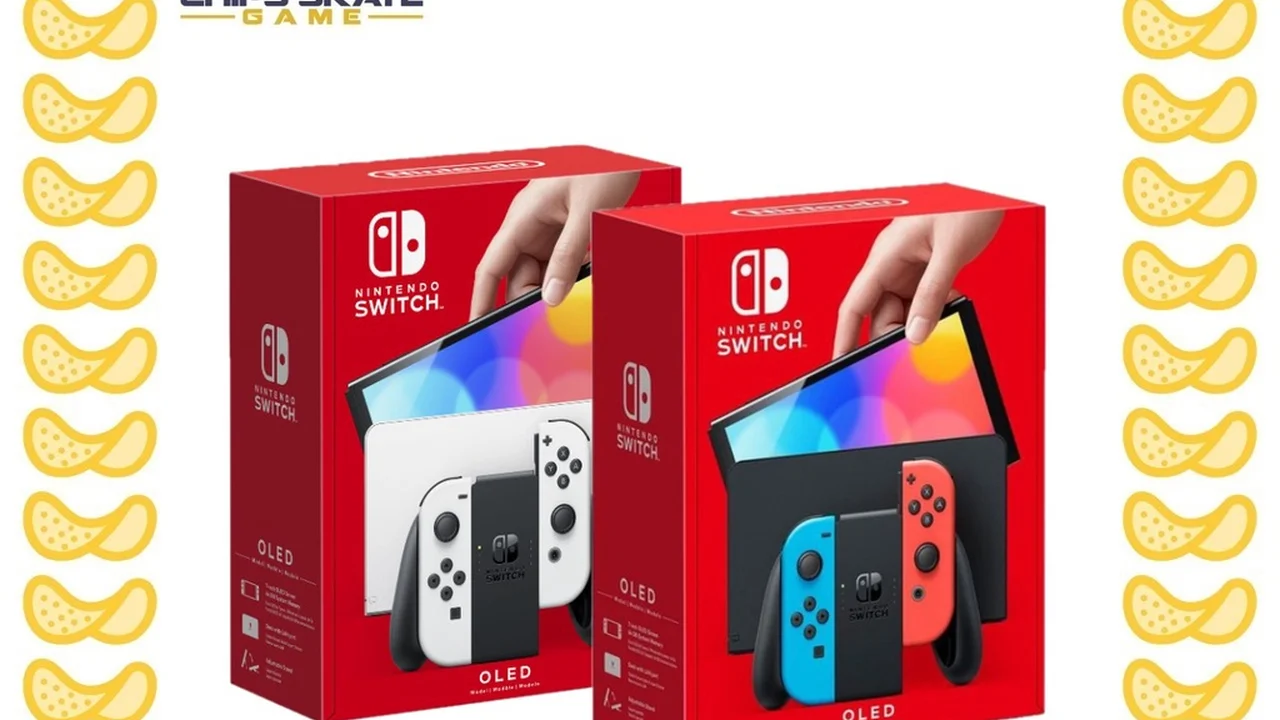
Nintendo Switch 2 OLED Model (Hypothetical)
If Nintendo decides to launch an OLED version of the Switch 2, similar to the current Switch OLED, it would carry a premium. Based on the current Switch OLED's premium over the base model ($50), a Switch 2 OLED could be priced at $449.99-$499.99 in the US. This premium would also translate to Southeast Asia. For example, a Switch 2 OLED in Singapore might be SGD 680 - SGD 750, appealing to those who prioritize display quality and potentially better battery life.
Nintendo Switch 2 Lite (Hypothetical Future Release)
While unlikely at launch, a 'Switch 2 Lite' could follow later, offering a cheaper, handheld-only experience. This would be aimed at a more budget-conscious segment. If a Switch 2 Lite were to launch at $199.99-$249.99 in the US, it would be significantly more accessible in Southeast Asia. For example, in the Philippines, it might be PHP 12,000 - PHP 15,000, opening up the market to a much wider audience who might find the full Switch 2 too expensive.
The Role of Digital vs Physical Sales in Pricing Perception
Another subtle factor influencing perceived value and actual cost is the prevalence of digital versus physical game sales. In the US, digital sales are very strong, and platforms like the Nintendo eShop offer frequent sales. In Southeast Asia, physical game sales still hold a significant share, partly due to the culture of physical ownership and sometimes better pricing from independent retailers. The cost of digital games can be standardized globally, but local physical retailers might engage in price wars, indirectly affecting the overall cost of ownership for the console.
Conclusion on Nintendo Switch 2 Regional Pricing
Understanding the factors that influence regional pricing for the Nintendo Switch 2 is crucial for both consumers and industry observers. From economic indicators and government taxes to logistics and market competition, a multitude of elements contribute to the final price tag you see in your local store. While the US market might enjoy a relatively straightforward pricing model, Southeast Asia presents a complex tapestry of varying costs and consumer purchasing powers. Being aware of these differences allows consumers to make more informed decisions, whether it's waiting for a sale, considering import options, or simply understanding why their neighbor across the sea paid a different price for the same console. The Nintendo Switch 2's success will undoubtedly hinge on Nintendo's ability to navigate these intricate regional pricing landscapes effectively, ensuring the console is both profitable for them and accessible to as many gamers as possible worldwide.
:max_bytes(150000):strip_icc()/277019-baked-pork-chops-with-cream-of-mushroom-soup-DDMFS-beauty-4x3-BG-7505-5762b731cf30447d9cbbbbbf387beafa.jpg)