Nintendo Switch 2 Specs Comparison
A detailed look at the rumored Nintendo Switch 2 specifications compared to its predecessor and competitors.
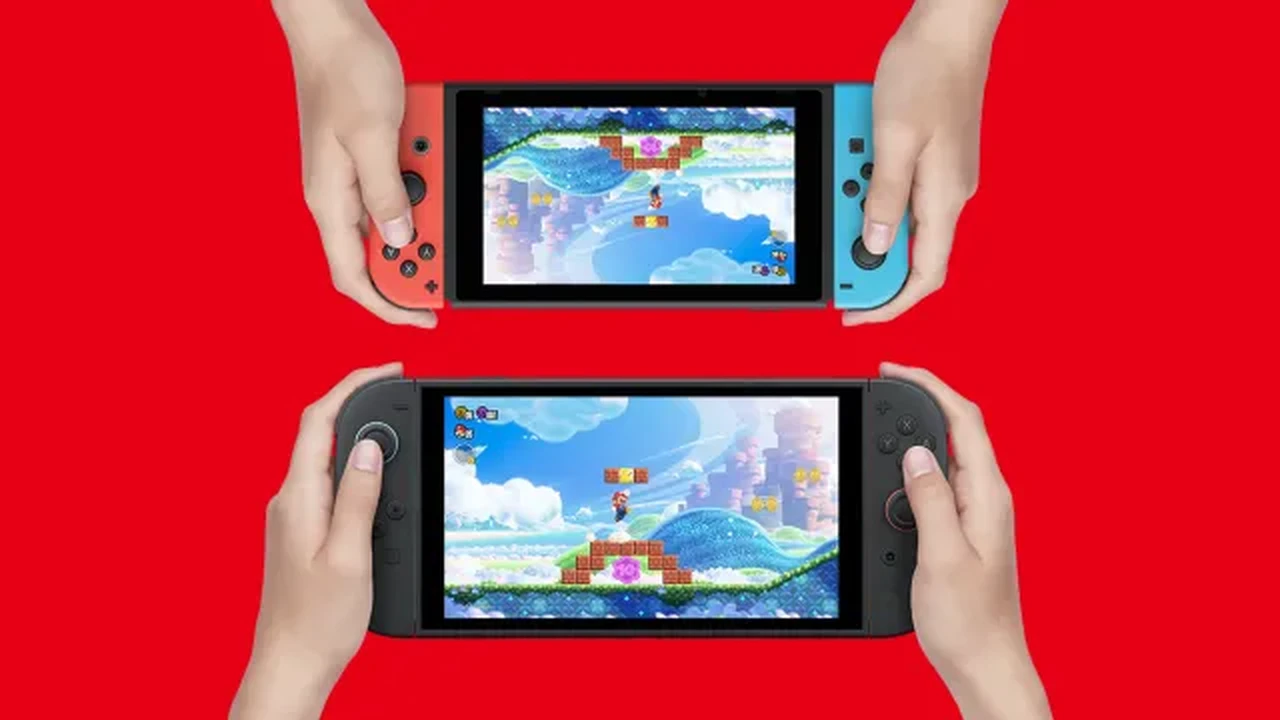
A detailed look at the rumored Nintendo Switch 2 specifications compared to its predecessor and competitors.
Nintendo Switch 2 Specs Comparison
The anticipation for the Nintendo Switch 2 is palpable, with gamers and industry analysts alike eager to see what technological advancements Nintendo will bring to its next-generation console. While official details remain under wraps, a wealth of rumors, patent filings, and supply chain leaks have painted a compelling picture of what we might expect. This comprehensive guide delves deep into the rumored specifications of the Nintendo Switch 2, comparing them not only to its highly successful predecessor, the original Nintendo Switch, but also to its formidable competitors in the console market, such as the PlayStation 5, Xbox Series X, and even handheld powerhouses like the Steam Deck and ROG Ally. Understanding these comparisons is crucial for setting realistic expectations and appreciating the potential leap in performance and features that the Switch 2 could offer.
Nintendo Switch 2 Processor and GPU Power
At the heart of any modern gaming console lies its processor and graphics processing unit (GPU). The original Nintendo Switch utilized a custom NVIDIA Tegra X1 chip, which, while innovative for its time, is now showing its age. Rumors strongly suggest that the Nintendo Switch 2 will feature a custom NVIDIA Tegra T239 chip, codenamed 'Drake.' This chip is expected to be based on NVIDIA's Ampere architecture, similar to the RTX 30 series GPUs, and potentially incorporate some features from the newer Ada Lovelace architecture (RTX 40 series). This would represent a monumental upgrade in raw processing power and graphical capabilities.
Comparing the Chips: Tegra X1 vs. Tegra T239
The Tegra X1 in the original Switch offered a peak theoretical performance of around 0.4 TFLOPS (teraflops) in handheld mode and 0.5 TFLOPS when docked. While impressive for a portable device, this pales in comparison to modern consoles. The rumored Tegra T239, on the other hand, is speculated to deliver anywhere from 2 to 4 TFLOPS of performance. This is a significant leap, potentially offering 5 to 8 times the graphical horsepower of its predecessor. This increased power would enable the Switch 2 to render games at higher resolutions, with more complex graphical effects, and at more stable frame rates.
Ray Tracing and DLSS: Next-Gen Graphics for Switch 2
One of the most exciting prospects of the Tegra T239 is its potential support for NVIDIA's cutting-edge technologies: Ray Tracing and DLSS (Deep Learning Super Sampling). Ray tracing is a rendering technique that simulates the physical behavior of light, resulting in incredibly realistic lighting, reflections, and shadows. While demanding, the Tegra T239's Ampere architecture is designed to handle it. DLSS, on the other hand, is an AI-powered upscaling technology that renders games at a lower resolution and then uses machine learning to reconstruct a sharp, high-resolution image. This allows for significantly improved performance without a noticeable drop in visual quality. If implemented, DLSS would be a game-changer for the Switch 2, enabling it to run graphically intensive titles at higher resolutions (potentially even 4K when docked) while maintaining smooth frame rates, even with its relatively lower power compared to dedicated home consoles.
Nintendo Switch 2 RAM and Storage Specifications
Beyond the core processing unit, RAM (Random Access Memory) and storage are critical components that influence game loading times, multitasking capabilities, and the overall fluidity of the system. The original Nintendo Switch came with 4GB of LPDDR4 RAM and 32GB of internal eMMC storage, expandable via microSD cards.
RAM Upgrade: More Memory for Modern Games
Rumors suggest the Nintendo Switch 2 will feature a substantial upgrade in RAM, with many sources pointing to 8GB or even 12GB of LPDDR5 RAM. LPDDR5 is not only faster than LPDDR4 but also more power-efficient, which is crucial for a portable device. Doubling or tripling the RAM would allow the Switch 2 to handle more complex game worlds, larger textures, and more demanding applications simultaneously, reducing bottlenecks and improving overall system responsiveness. This is particularly important for open-world games and titles with extensive assets.
Storage Solutions: Faster and Larger Internal Storage
The 32GB internal storage of the original Switch quickly became a limitation for many users, necessitating the purchase of microSD cards. The Nintendo Switch 2 is widely expected to feature a significant increase in internal storage, with 64GB, 128GB, or even 256GB being commonly rumored. More importantly, the type of storage is likely to be upgraded from eMMC to UFS (Universal Flash Storage). UFS offers significantly faster read and write speeds compared to eMMC, leading to much quicker game loading times and smoother asset streaming. This would be a welcome improvement for gamers, reducing the time spent waiting for games to load and improving the overall user experience. Of course, microSD card expansion is almost certainly going to remain a feature, allowing users to further expand their game library.
Nintendo Switch 2 Display and Audio Enhancements
The display is the primary interface for handheld gaming, and the original Switch offered a 6.2-inch LCD screen (7.0-inch for the OLED model) with a 720p resolution. Audio, while often overlooked, plays a crucial role in immersion.
Display Technology: OLED or LCD with Higher Resolution?
The Nintendo Switch OLED model already set a high bar for display quality with its vibrant colors and deep blacks. For the Switch 2, there are conflicting rumors. Some suggest Nintendo might stick with an improved LCD panel to keep costs down, potentially offering a higher resolution like 1080p in handheld mode. Others believe Nintendo will continue with OLED technology, perhaps with a slightly larger screen size (around 8 inches) and a higher resolution. A 1080p OLED display would be a fantastic upgrade, offering crisp visuals and excellent contrast. The inclusion of DLSS could also mean that even if the native handheld resolution is 720p or 1080p, games could be upscaled to a higher resolution when docked, potentially reaching 4K on compatible TVs.
Audio Improvements: Enhanced Sound Experience
While less frequently discussed, audio improvements are also anticipated. The original Switch offered decent stereo sound. The Switch 2 could feature enhanced onboard speakers for a richer audio experience in handheld mode. More importantly, it might support advanced audio codecs and potentially offer improved surround sound capabilities when docked, providing a more immersive experience through headphones or a home theater system. This could include support for spatial audio technologies, similar to those found on other modern consoles.
Nintendo Switch 2 Connectivity and Peripherals
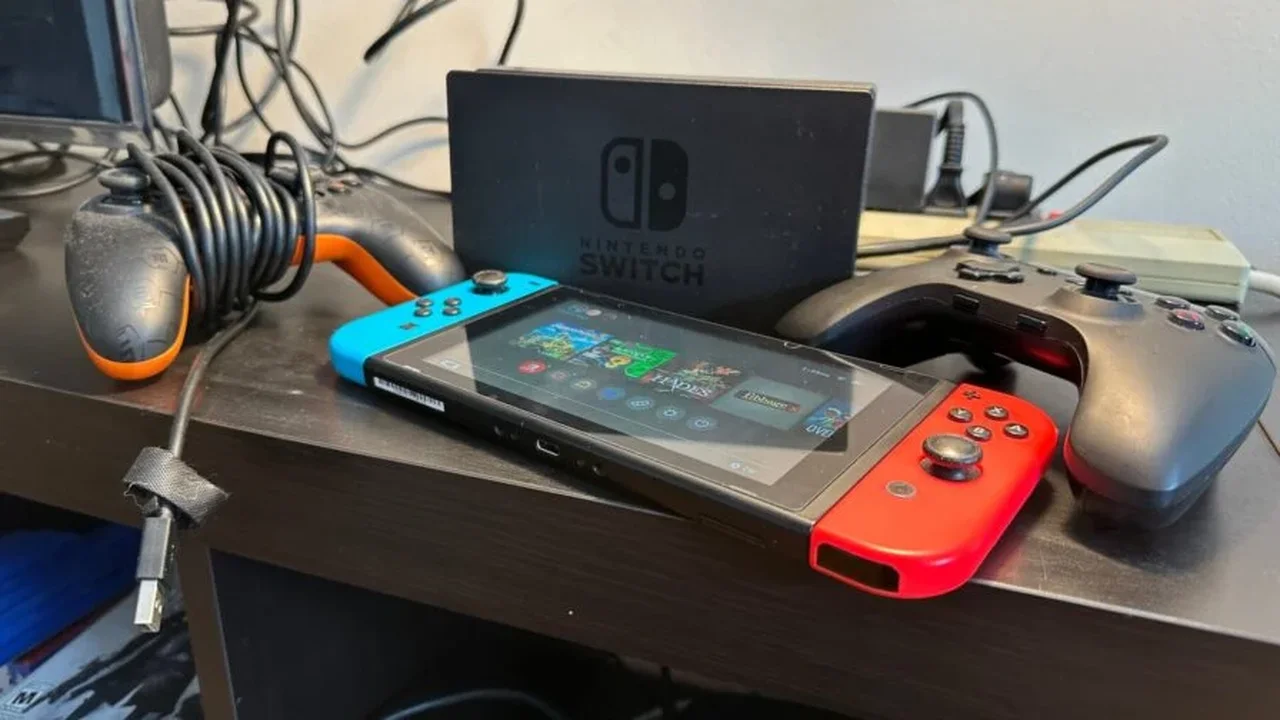
Connectivity options and peripheral support are vital for a versatile gaming console. The original Switch featured Wi-Fi 802.11ac, Bluetooth 4.1, and a USB-C port.
Faster Wireless: Wi-Fi 6 and Bluetooth 5.0
The Nintendo Switch 2 is highly likely to upgrade to Wi-Fi 6 (802.11ax) for faster and more stable wireless internet connections, crucial for online gaming and digital downloads. Bluetooth 5.0 or even 5.2 is also expected, offering improved range, stability, and lower latency for wireless controllers and audio devices. This would significantly enhance the online gaming experience and reduce potential input lag for wireless accessories.
USB-C and Docking Station Enhancements
The USB-C port will undoubtedly remain, likely upgraded to a newer standard like USB 3.2 or even Thunderbolt 4, offering faster data transfer speeds and more versatile connectivity options. The docking station is also expected to receive upgrades. While the core functionality of connecting to a TV will remain, the new dock might include additional USB ports, an Ethernet port for wired internet, and potentially even a dedicated chip for upscaling content to 4K, leveraging the power of the new Tegra chip and DLSS technology. Some rumors even suggest a redesigned dock that offers better cooling for the console when docked, allowing it to sustain higher performance for longer periods.
Nintendo Switch 2 Battery Life and Cooling System
For a portable console, battery life is paramount. The original Switch offered varying battery life depending on the model and game. Cooling is also crucial to prevent thermal throttling and maintain performance.
Extended Playtime: Improved Battery Efficiency
Despite the significant increase in processing power, the Nintendo Switch 2 is expected to offer comparable or even improved battery life compared to the original Switch. This is largely due to the increased power efficiency of the newer Tegra T239 chip and LPDDR5 RAM, as well as potential advancements in battery technology. Nintendo has always prioritized battery life for its handhelds, and the Switch 2 will likely continue this trend, aiming for several hours of gameplay on a single charge, even with demanding titles.
Efficient Cooling: Sustained Performance
With increased power comes increased heat. The Nintendo Switch 2 will require a robust and efficient cooling system to prevent thermal throttling and ensure sustained performance during long gaming sessions. While details are scarce, it's likely to feature an improved fan design and heat pipe system. The rumored larger chassis might also allow for better heat dissipation. An efficient cooling system is vital for the console to consistently deliver its peak performance without experiencing slowdowns or frame rate drops due to overheating.
Nintendo Switch 2 Backward Compatibility and Game Cards
Backward compatibility is a major concern for existing Switch owners, and the physical game card format is a hallmark of Nintendo consoles.
Seamless Transition: Backward Compatibility Confirmed?
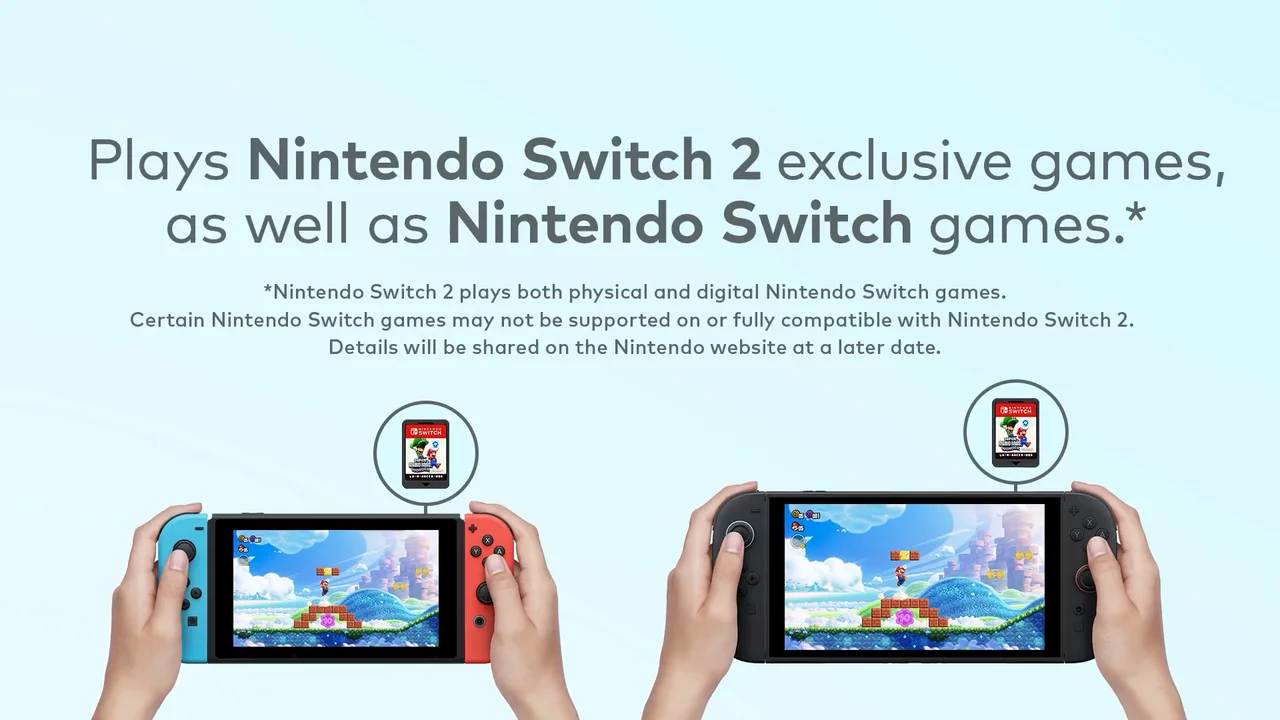
While not officially confirmed, backward compatibility with existing Nintendo Switch game cartridges and digital titles is almost a certainty. Nintendo has a strong history of supporting backward compatibility, and it would be a significant selling point for the Switch 2, allowing existing owners to bring their extensive game libraries to the new console. This would also ease the transition for developers, as they could potentially optimize existing Switch games for the new hardware, offering enhanced visuals and performance without needing to rebuild them from scratch.
Game Card Format: Still a Cartridge System
The Nintendo Switch 2 is expected to retain the physical game card format, albeit potentially with a new, larger capacity cartridge. This allows for physical game ownership and caters to markets where digital infrastructure might be less robust. The new cartridges might offer higher storage capacities to accommodate larger game sizes, reducing the need for extensive digital downloads even for physical purchases.
Nintendo Switch 2 vs. Competitors: A Spec Showdown
Understanding the rumored specs in isolation is one thing, but comparing them to the current console landscape provides crucial context.
Nintendo Switch 2 vs. PlayStation 5 and Xbox Series X
It's important to manage expectations here. The Nintendo Switch 2, even with its rumored upgrades, is not expected to directly compete with the raw power of the PlayStation 5 (10.28 TFLOPS) or Xbox Series X (12 TFLOPS). These are dedicated home consoles designed for high-fidelity 4K gaming. The Switch 2's strength will lie in its hybrid nature – offering a significant leap in portable performance while still being able to deliver a compelling docked experience. The inclusion of DLSS is key here, as it allows the Switch 2 to punch above its weight in terms of perceived graphical quality, even if its native rendering resolution is lower than its competitors.
Nintendo Switch 2 vs. Steam Deck and ROG Ally
This is where the comparison gets more interesting. Handheld PCs like the Steam Deck and ROG Ally offer impressive performance, often surpassing the original Switch. The Steam Deck, for instance, offers around 1.6 TFLOPS. The ROG Ally, with its Z1 Extreme chip, can reach up to 8.6 TFLOPS in its highest power mode. The rumored 2-4 TFLOPS of the Switch 2's Tegra T239 places it squarely in competition with these devices, especially considering Nintendo's optimization prowess and the potential for DLSS. The key differentiator will be Nintendo's exclusive first-party titles and its unique hybrid form factor, which these PC handhelds cannot replicate.
Potential Pricing and Release Implications
The rumored specifications naturally lead to questions about pricing and release. A more powerful console with advanced features will likely come with a higher price tag than the original Switch's launch price of $299. Many analysts predict a price point in the $399 to $449 range, reflecting the technological advancements. The release date remains a mystery, but the consistent flow of rumors suggests that development is well underway, with a potential launch in late 2024 or early 2025. The timing will be crucial for Nintendo to capitalize on the holiday season and maintain momentum in the console market.
Recommended Products and Scenarios
While the Nintendo Switch 2 itself is the star, its rumored specs open up exciting possibilities for how we'll interact with it and what accessories will become essential. Here are some product recommendations and usage scenarios based on the anticipated specifications:
High-Speed MicroSD Cards for Expanded Storage
Even with increased internal storage, large game files will quickly fill up the console. A high-speed microSD card will be crucial. Look for cards with A2 app performance class and UHS-I Speed Class 3 (U3) for optimal game loading. Brands like SanDisk, Samsung, and Lexar are reliable choices.
- SanDisk Extreme microSDXC UHS-I Card (1TB): Ideal for extensive game libraries. Offers read speeds up to 190MB/s and write speeds up to 130MB/s. Price: ~$100-150 USD.
- Samsung EVO Select microSDXC UHS-I Card (512GB): A great balance of capacity and speed for most users. Read speeds up to 130MB/s. Price: ~$40-60 USD.
- Lexar PLAY microSDXC UHS-I Card (256GB): A more budget-friendly option for those who don't need massive storage immediately. Read speeds up to 150MB/s. Price: ~$20-30 USD.
Usage Scenario: Downloading multiple AAA titles, storing large game updates, and having a vast digital library readily available without constantly deleting and re-downloading games.
High-Quality USB-C to HDMI Cable for Docked Play
If the new dock supports higher resolutions or improved video output, a high-quality USB-C to HDMI cable will ensure you get the best visual experience on your TV. Look for cables that support HDMI 2.0 or 2.1 for 4K output.
- Anker USB-C to HDMI Cable (4K@60Hz): Reliable brand, supports 4K resolution. Price: ~$15-25 USD.
- Cable Matters USB-C to HDMI Cable (4K@60Hz): Another solid option known for durability. Price: ~$15-25 USD.
Usage Scenario: Connecting your Switch 2 directly to a 4K TV or monitor for the best possible visual fidelity, especially if the dock has limited ports or you prefer a direct connection.
Enhanced Pro Controllers for Competitive Gaming
While the Joy-Cons are iconic, a dedicated Pro Controller offers superior ergonomics and precision for many games. With potentially more demanding titles on Switch 2, a good Pro Controller will be even more valuable.
- Nintendo Switch Pro Controller: The official choice, known for its excellent build quality and battery life. Price: ~$70 USD.
- 8BitDo Ultimate Bluetooth Controller with Charging Dock: A highly-rated third-party option with Hall Effect joysticks (less drift) and a convenient charging dock. Price: ~$70 USD.
- PowerA Enhanced Wireless Controller for Nintendo Switch: A more affordable licensed option with programmable buttons. Price: ~$50 USD.
Usage Scenario: Playing competitive online multiplayer games, action-heavy titles, or any game where precise input and comfortable grip are essential for extended sessions.
Portable Power Bank with USB-PD for On-the-Go Charging
Even with improved battery life, a powerful portable charger will be indispensable for long trips or extended gaming sessions away from an outlet. Look for power banks with USB Power Delivery (PD) for fast charging.
- Anker PowerCore III Elite 25600mAh 60W PD: High capacity, fast charging, can charge the Switch multiple times. Price: ~$100-120 USD.
- Baseus Power Bank 65W 20000mAh: A slightly more compact option with good power output. Price: ~$60-80 USD.
Usage Scenario: Gaming on long flights, car rides, or during power outages, ensuring your Switch 2 never runs out of juice when you're away from a wall outlet.
High-Quality Gaming Headset for Immersive Audio
If the Switch 2 indeed offers enhanced audio capabilities, a good gaming headset will allow you to fully appreciate the sound design of your games and communicate clearly in online multiplayer.
- SteelSeries Arctis 1 Wireless for Switch: Specifically designed for Switch, offers low-latency wireless audio. Price: ~$100 USD.
- HyperX Cloud Alpha: A popular wired option known for excellent sound quality and comfort. Price: ~$70-100 USD.
- Razer Barracuda X (2022): Versatile wireless headset compatible with Switch via USB-C dongle. Price: ~$100 USD.
Usage Scenario: Immersing yourself in story-driven games, gaining a competitive edge in online shooters by hearing footsteps, or communicating with teammates in co-op games.
The Nintendo Switch 2, with its rumored specifications, promises to be a significant evolution for Nintendo's hybrid console. The leap in processing power, coupled with potential DLSS support, faster RAM, and increased storage, positions it as a formidable contender in the gaming market. While it may not match the raw teraflops of its home console rivals, its unique form factor, Nintendo's unparalleled first-party software, and the clever implementation of upscaling technologies will ensure it carves out its own successful niche. The future of Nintendo gaming looks brighter and more powerful than ever.
:max_bytes(150000):strip_icc()/277019-baked-pork-chops-with-cream-of-mushroom-soup-DDMFS-beauty-4x3-BG-7505-5762b731cf30447d9cbbbbbf387beafa.jpg)