Nintendo Switch 2 Environmental Impact
Discussing the environmental considerations and sustainability efforts for the Nintendo Switch 2.
Discussing the environmental considerations and sustainability efforts for the Nintendo Switch 2.
Nintendo Switch 2 Environmental Impact and Sustainability Efforts
The launch of any new consumer electronics device, especially one as anticipated as the Nintendo Switch 2, brings with it a significant discussion about its environmental footprint. In an era where climate change and resource depletion are pressing global concerns, consumers and regulators alike are increasingly scrutinizing how companies design, manufacture, distribute, and dispose of their products. Nintendo, as a major player in the global gaming industry, faces the challenge and opportunity to demonstrate its commitment to sustainability with the Nintendo Switch 2. This article delves deep into the various environmental considerations surrounding the new console, from its production to its end-of-life, and explores the sustainability efforts Nintendo is likely to implement.
Manufacturing and Supply Chain Environmental Footprint
The journey of a Nintendo Switch 2 begins long before it reaches your hands, starting with the extraction of raw materials. This process, particularly for rare earth minerals and precious metals used in electronics, can be environmentally destructive, leading to habitat destruction, water pollution, and significant energy consumption. The manufacturing process itself, involving complex assembly lines and chemical treatments, also contributes to greenhouse gas emissions and waste generation.
Raw Material Sourcing and Ethical Mining Practices
Nintendo, like other electronics giants, relies on a vast global supply chain. A key environmental consideration is the responsible sourcing of raw materials. This includes ensuring that minerals like tin, tantalum, tungsten, and gold (3TG minerals) are not sourced from conflict-affected and high-risk areas. Companies are increasingly expected to conduct due diligence on their supply chains to prevent the use of 'conflict minerals' and to ensure ethical mining practices that minimize environmental damage and human rights abuses.
For the Nintendo Switch 2, we anticipate Nintendo will continue to emphasize its commitment to responsible sourcing. This might involve:
- Increased Transparency: Providing more detailed information about their suppliers and the origins of key components.
- Supplier Audits: Conducting regular audits of manufacturing partners to ensure compliance with environmental and labor standards.
- Partnerships with Industry Initiatives: Collaborating with organizations like the Responsible Minerals Initiative (RMI) to promote responsible sourcing practices across the industry.
Energy Consumption in Production Facilities
The factories that produce the Nintendo Switch 2 components and assemble the final product consume substantial amounts of energy. A significant portion of this energy often comes from fossil fuels, contributing to carbon emissions. To mitigate this, Nintendo and its manufacturing partners could invest in:
- Renewable Energy Sources: Shifting towards solar, wind, or other renewable energy sources for their production facilities.
- Energy Efficiency Improvements: Implementing more energy-efficient machinery and processes in their factories.
- Green Building Certifications: Constructing or retrofitting factories to meet green building standards, reducing their overall environmental impact.
Product Design for Environmental Sustainability
The design phase of the Nintendo Switch 2 offers a crucial opportunity to embed sustainability from the ground up. This involves considering the entire lifecycle of the product, from material selection to end-of-life disposal.
Material Selection and Recycled Content
Choosing materials that are less environmentally impactful is paramount. This includes:
- Recycled Plastics: Incorporating post-consumer recycled (PCR) plastics into the console's casing and accessories. For example, using recycled ABS plastic for the Joy-Con shells or the console's main body.
- Bio-based Materials: Exploring the use of bio-based or biodegradable plastics where feasible, though this is less common in high-performance electronics.
- Reduced Hazardous Substances: Ensuring the Nintendo Switch 2 complies with or exceeds regulations like RoHS (Restriction of Hazardous Substances) by minimizing or eliminating substances like lead, mercury, and cadmium.
While specific percentages are often proprietary, companies like Apple and Samsung have made strides in incorporating recycled content. For the Switch 2, we might see Nintendo highlight specific components made from recycled materials, such as the internal frame or certain plastic parts.
Energy Efficiency of the Console
Once in consumers' homes, the energy consumption of the Nintendo Switch 2 during gameplay, standby, and charging contributes to its environmental footprint. Nintendo will likely focus on:
- Optimized Processor Efficiency: Utilizing a more power-efficient custom chip (e.g., a new NVIDIA Tegra variant) that delivers higher performance with lower energy draw.
- Improved Power Management Modes: Enhancing sleep modes and low-power states to minimize energy consumption when the console is not actively in use.
- Efficient Charging Solutions: Designing the charging dock and power adapter to be highly efficient, reducing energy loss during charging.
For comparison, the original Switch consumes around 7-18W during gameplay, depending on the game and mode. The Switch OLED is slightly more efficient. We would expect the Switch 2 to maintain or improve upon this efficiency, even with increased graphical power.
Repairability and Longevity
A significant aspect of sustainability is extending the lifespan of electronic devices. A more repairable console means fewer devices end up in landfills prematurely. Nintendo could improve repairability by:
- Modular Design: Designing components that are easier to replace, such as the battery, Joy-Cons, or even the display.
- Availability of Spare Parts: Making official spare parts more readily available to authorized repair centers and potentially to consumers.
- Repair Guides: Providing clear repair guides or collaborating with independent repair communities.
The original Switch has faced criticism for its repairability, particularly with Joy-Con drift issues. An improved, more robust, and repair-friendly design for the Switch 2 would be a significant step forward for environmental sustainability.
Packaging and Distribution
The environmental impact extends to how the Nintendo Switch 2 is packaged and transported globally.
Sustainable Packaging Materials
Reducing plastic and using recycled content in packaging is a growing trend. For the Switch 2, Nintendo could implement:
- Recycled Cardboard and Paper: Using 100% recycled and sustainably sourced paper and cardboard for the console box and internal inserts.
- Elimination of Single-Use Plastics: Reducing or eliminating plastic bags, ties, and trays within the packaging.
- Smaller Packaging Footprint: Designing more compact packaging to reduce shipping volume and associated emissions.
Many companies are now using molded fiber trays instead of plastic, and printing directly on cardboard rather than using plastic wraps. These are changes we hope to see with the Switch 2.
Efficient Logistics and Transportation
Shipping products around the world consumes significant fossil fuels. Nintendo can mitigate this by:
- Optimized Shipping Routes: Using more efficient transportation methods and routes.
- Local Manufacturing and Assembly: Where feasible, establishing regional manufacturing hubs to reduce long-distance shipping.
- Carbon Offsetting: Investing in carbon offsetting programs, though this is often seen as a last resort after direct emission reductions.
End-of-Life Management and Recycling
What happens to the Nintendo Switch 2 when it reaches the end of its useful life is critical for environmental sustainability. Electronic waste (e-waste) is a rapidly growing problem, containing valuable materials and hazardous substances.
Take-Back and Recycling Programs
Nintendo, like other electronics manufacturers, is often required by law (e.g., WEEE Directive in Europe) to offer take-back and recycling programs for their products. For the Switch 2, this means:
- Accessible Recycling Points: Partnering with recycling facilities and retailers to provide convenient drop-off points for old consoles and accessories.
- Clear Recycling Instructions: Providing clear information to consumers on how to properly recycle their Nintendo Switch 2.
- Promoting Responsible Disposal: Educating consumers about the importance of not disposing of electronics in general waste.
Material Recovery and Circular Economy
The goal of recycling is to recover valuable materials and reintroduce them into the manufacturing process, moving towards a circular economy. This reduces the need for virgin raw materials. For the Switch 2, this involves:
- Design for Disassembly: Designing the console to be easily disassembled at recycling facilities to separate different material streams.
- Investment in Recycling Technologies: Supporting the development of advanced recycling technologies that can efficiently recover more materials from complex electronics.
Specific Product Recommendations and Comparisons for Sustainability
While the Nintendo Switch 2 itself is a product, we can look at how its design choices might compare to other consoles or how accessories can contribute to a more sustainable gaming setup.
Sustainable Gaming Accessories for Your Switch 2
When you get your Nintendo Switch 2, consider pairing it with accessories that also prioritize sustainability. Here are a few types of products and what to look for:
Eco-Friendly Carrying Cases
Instead of cases made from virgin plastics, look for options made from recycled materials or natural fibers.
- Product Example: WaterField Designs Switch cases (while not explicitly Switch 2, they often use durable, long-lasting materials that reduce waste).
- Use Case: Protecting your Switch 2 on the go.
- Comparison: Many generic cases use cheap, non-recyclable plastics. Opting for a high-quality, durable case, even if not made from recycled content, can be more sustainable in the long run as it won't need frequent replacement.
- Price Range: $40 - $100+ USD.
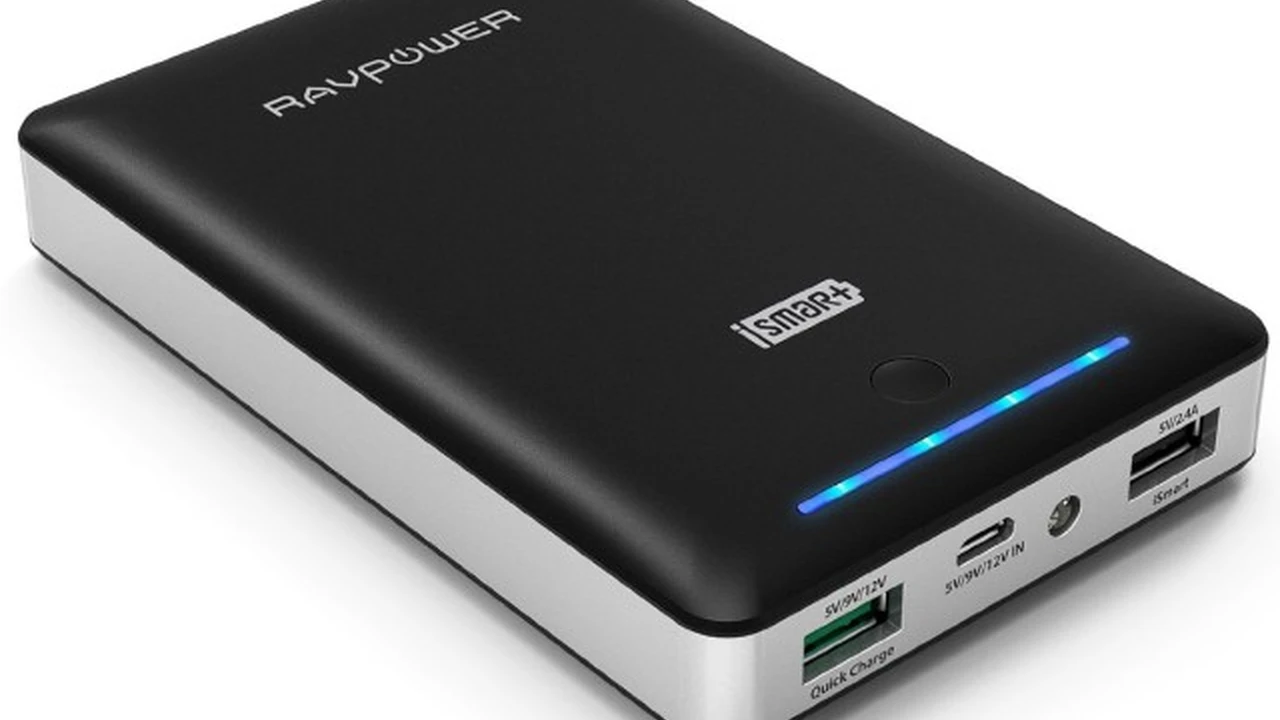
Rechargeable Battery Packs and Power Banks
While the Switch 2 will have an internal battery, external power banks are common. Choose those with high efficiency and reputable battery cells for longevity.
- Product Example: Anker PowerCore series (known for durability and efficiency).
- Use Case: Extending gameplay on long trips or when away from an outlet.
- Comparison: Cheaper, no-name power banks often have lower efficiency and shorter lifespans, leading to more e-waste. Invest in a quality brand.
- Price Range: $30 - $80 USD.
Sustainable Cleaning Kits
Keep your Switch 2 clean without harsh chemicals.
- Product Example: Whoosh! Screen Cleaner (plant-based, non-toxic).
- Use Case: Cleaning the screen and console body.
- Comparison: Avoid aerosol sprays or cleaners with strong solvents that can harm the environment and potentially your device. Microfiber cloths are reusable and reduce paper waste.
- Price Range: $10 - $25 USD.
Refurbished or Pre-Owned Games and Accessories
The most sustainable product is often one that already exists.
- Product Example: Buying pre-owned Switch games from GameStop, eBay, or local second-hand stores.
- Use Case: Expanding your game library or getting extra Joy-Cons.
- Comparison: Buying new contributes to new production. Buying used extends the life of existing products, reducing demand for new manufacturing and preventing items from becoming waste.
- Price Range: Varies widely, often significantly cheaper than new.
Nintendo's Broader Corporate Sustainability Initiatives
Beyond the Nintendo Switch 2 itself, Nintendo as a corporation has broader sustainability goals and initiatives. These often include:
Carbon Footprint Reduction Targets
Many large corporations set ambitious targets to reduce their greenhouse gas emissions across their operations. Nintendo has been working on reducing its environmental impact, including setting targets for CO2 emissions reduction. For the Switch 2 era, we might see updated or more aggressive targets aligned with global climate goals.
Water Conservation and Waste Management
Manufacturing processes can be water-intensive. Nintendo's factories and offices likely have programs in place to conserve water and manage waste effectively, including recycling programs for internal waste streams.
Employee Engagement and Green Culture
Fostering a culture of sustainability within the company, encouraging employees to adopt eco-friendly practices, and providing training on environmental awareness can also contribute to overall sustainability efforts.
Challenges and Future Outlook for Nintendo Switch 2 Sustainability
Despite best efforts, achieving true sustainability in electronics manufacturing is a complex challenge. Some key hurdles include:
Global Supply Chain Complexity
Monitoring and ensuring sustainability across a vast, global supply chain with numerous tiers of suppliers is incredibly difficult. Transparency remains a significant challenge.
Consumer Demand for Innovation and Affordability
Consumers often prioritize cutting-edge features and lower prices, which can sometimes conflict with sustainability goals (e.g., using cheaper, less sustainable materials or designs that are harder to repair).
Rapid Technological Obsolescence
The fast pace of technological advancement means new consoles are released every few years, potentially leading to older models becoming obsolete and contributing to e-waste if not properly recycled or reused.
Looking ahead, the Nintendo Switch 2 represents an opportunity for Nintendo to further solidify its commitment to environmental responsibility. By focusing on sustainable design, responsible sourcing, energy efficiency, and robust recycling programs, Nintendo can not only reduce its environmental footprint but also set a new standard for sustainability in the gaming industry. As consumers, our choices also play a vital role. By supporting companies that prioritize sustainability and by responsibly managing our own electronic devices, we can collectively contribute to a greener future for gaming.
:max_bytes(150000):strip_icc()/277019-baked-pork-chops-with-cream-of-mushroom-soup-DDMFS-beauty-4x3-BG-7505-5762b731cf30447d9cbbbbbf387beafa.jpg)