Nintendo Switch 2 vs Steam Deck Comparison
A detailed comparison between the Nintendo Switch 2 and Valve's Steam Deck handheld console.
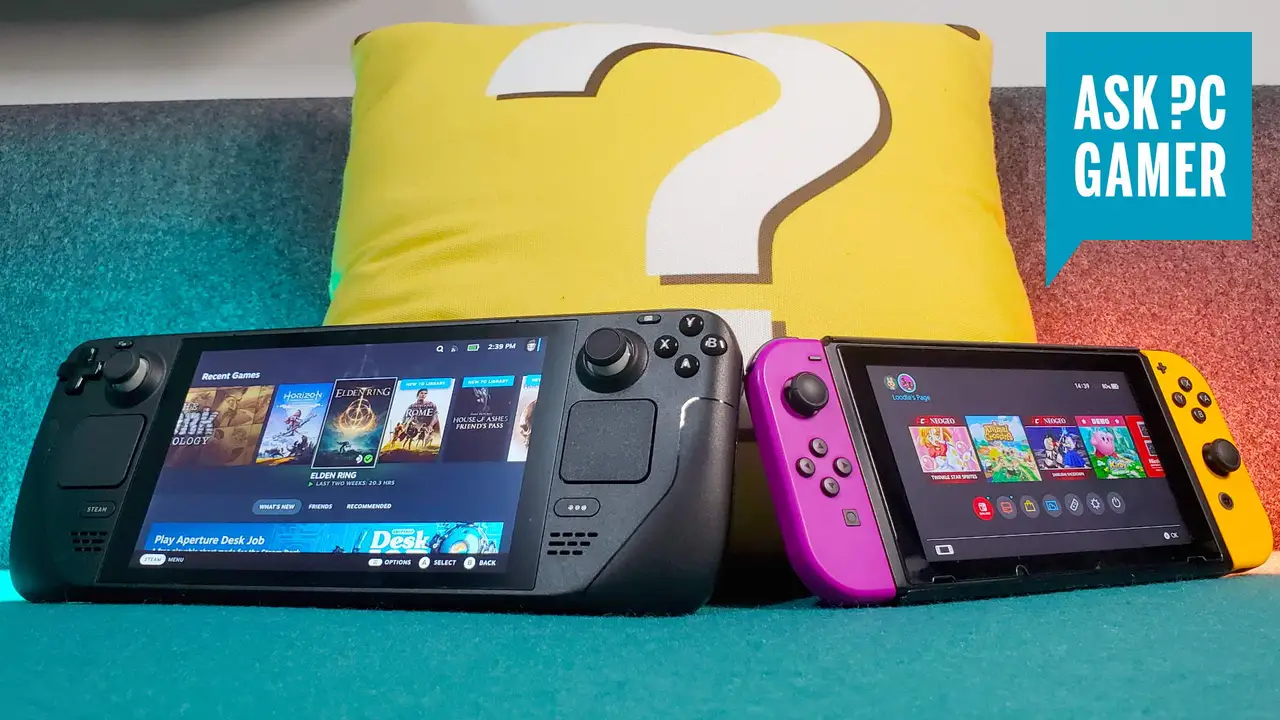
A detailed comparison between the Nintendo Switch 2 and Valve's Steam Deck handheld console. Choosing between a new gaming console can be tough, especially when two powerhouses like the rumored Nintendo Switch 2 and the already established Steam Deck are vying for your attention. Both offer unique takes on portable gaming, but they cater to different audiences and priorities. Let's dive deep into a comprehensive comparison to help you decide which device might be your next gaming companion.
Nintendo Switch 2 vs Steam Deck The Ultimate Handheld Showdown
Nintendo Switch 2 and Steam Deck Core Philosophy Differences
At their heart, the Nintendo Switch 2 and the Steam Deck represent distinct philosophies in the gaming world. Nintendo has always focused on innovative gameplay, family-friendly experiences, and a strong first-party software lineup. The Switch 2 is expected to continue this tradition, offering a seamless blend of home console and portable gaming with a strong emphasis on exclusive titles like Mario, Zelda, and Pokémon. It's about accessibility, unique control schemes, and a curated gaming experience.
The Steam Deck, on the other hand, is Valve's ambitious entry into the handheld PC market. It's designed to bring your vast Steam library to a portable form factor, offering the flexibility and open-ended nature of PC gaming on the go. This means access to a massive catalog of games, modding capabilities, and the ability to run other applications. It's about power, versatility, and catering to the PC gamer who wants portability without compromise.
Nintendo Switch 2 and Steam Deck Performance and Specifications
This is where the rubber meets the road for many gamers. While the Nintendo Switch 2's specs are still largely speculative, rumors point to a significant upgrade over the original Switch. We're talking about a custom NVIDIA Tegra chip, potentially based on the Ampere or even Ada Lovelace architecture, offering substantially more graphical horsepower and CPU performance. This would enable higher resolutions, better frame rates, and more complex game worlds. Expect 1080p in handheld mode and potentially upscaled 4K when docked, with ray tracing capabilities being a strong possibility.
The Steam Deck, in contrast, is already a known quantity. It features a custom AMD APU with a Zen 2 CPU and RDNA 2 GPU. This hardware is capable of running most modern PC games at playable frame rates, typically targeting 720p or 800p resolution on its built-in screen. While it might not hit ultra settings, it delivers a surprisingly robust PC gaming experience in a handheld form. For example, games like Cyberpunk 2077 can run at around 30-40 FPS on medium settings, and Elden Ring can achieve a stable 45-50 FPS. The Steam Deck's raw power is impressive for its size and price point.
Nintendo Switch 2 and Steam Deck Display and Visuals
The display is crucial for a handheld device. The original Switch OLED set a high bar for Nintendo, and the Switch 2 is expected to build upon that. Rumors suggest a larger, higher-resolution OLED screen, possibly 8 inches, with improved brightness and color accuracy. This would make Nintendo's vibrant first-party titles truly pop. The focus will likely be on delivering a crisp, immersive visual experience tailored to Nintendo's art style.
The Steam Deck features a 7-inch LCD touchscreen with a resolution of 1280x800 pixels. While it's not OLED, the display is bright and clear enough for gaming. The slightly lower resolution compared to potential Switch 2 specs means games are less demanding on the hardware, allowing for better performance. Some users might prefer the vibrant colors of an OLED, but the Steam Deck's display is perfectly functional for its purpose.
Nintendo Switch 2 and Steam Deck Game Library and Exclusives
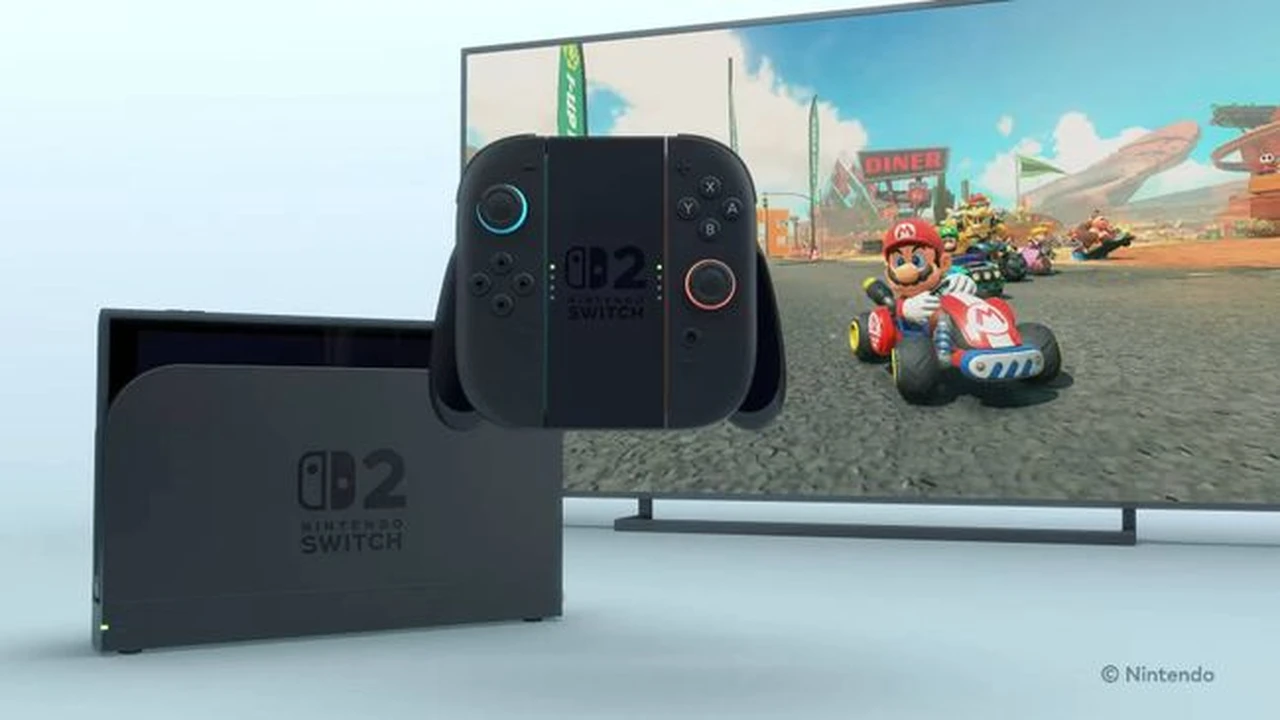
This is arguably the biggest differentiator. The Nintendo Switch 2 will undoubtedly be home to a new generation of Nintendo's beloved first-party exclusives. Think new Mario Kart, Zelda, Pokémon, and Metroid titles designed specifically for the Switch 2's enhanced hardware. These games are often system sellers and provide experiences you simply can't get anywhere else. The Switch 2 is also expected to maintain backward compatibility with original Switch games, offering a massive existing library from day one.
The Steam Deck's library is, quite simply, the entire Steam catalog. This means access to tens of thousands of games, from AAA blockbusters to indie darlings, many of which are significantly cheaper than console titles, especially during sales. While it doesn't have traditional 'exclusives' in the console sense, it offers the unique experience of playing PC games on a handheld. Compatibility varies, with Valve's 'Deck Verified' program helping users identify games that run well out of the box. You can also install other game launchers like Epic Games Store or GOG, further expanding your options.
Nintendo Switch 2 and Steam Deck User Experience and Interface
Nintendo's user interface is known for its simplicity, intuitiveness, and family-friendliness. The Switch 2 will likely refine this, offering quick access to games, the eShop, and system settings. It's designed to be easy to pick up and play, even for casual gamers. The emphasis is on getting you into your games as quickly as possible with minimal fuss.
The Steam Deck runs on SteamOS, a Linux-based operating system optimized for the handheld. It features a custom UI that makes navigating your Steam library and launching games seamless. For those familiar with Steam Big Picture Mode, it will feel very natural. However, beneath the surface, it's a full-fledged Linux PC, allowing for a much deeper level of customization and control. You can switch to a desktop mode, install emulators, browse the web, and even run Windows if you choose. This flexibility is a huge draw for tech-savvy users but might be overwhelming for those who prefer a simpler console experience.
Nintendo Switch 2 and Steam Deck Portability and Ergonomics
Both devices are designed for portability, but with slightly different approaches. The Nintendo Switch 2 will likely retain the hybrid nature of its predecessor, allowing for seamless transitions between handheld and docked TV play. Its detachable Joy-Cons offer unique multiplayer possibilities on the go. Nintendo typically prioritizes a lightweight and compact design, making it easy to slip into a bag.
The Steam Deck is a larger, heavier device, designed with ergonomics in mind for extended play sessions. Its built-in controllers, including trackpads and back buttons, offer a wide range of input options for PC games. While it's portable, it's more of a 'large handheld' than a 'pocketable' device. It's comfortable to hold for long periods, but its size might be a factor for some users.
Nintendo Switch 2 and Steam Deck Battery Life
Battery life is a critical factor for any portable device. The original Switch had varying battery life depending on the model and game. The Switch 2 is expected to feature significant improvements, thanks to more efficient hardware and potentially a larger battery. Nintendo will likely aim for a balance between performance and longevity, ensuring several hours of gameplay on a single charge for most titles.
The Steam Deck's battery life varies wildly depending on the game. For demanding AAA titles, you might only get 1.5 to 3 hours of playtime. For less intensive indie games or older titles, it can stretch to 6-8 hours. This variability is a trade-off for its raw power and the ability to run a wide range of PC games. Users often carry power banks for extended sessions.
Nintendo Switch 2 and Steam Deck Price and Value
The Nintendo Switch 2's price is still unknown, but based on Nintendo's history and the expected hardware upgrades, it's likely to be in the $350-$450 range. Nintendo consoles tend to hold their value well, and the strong first-party lineup often justifies the price for many consumers. The value comes from the unique gaming experiences and the hybrid nature of the console.
The Steam Deck comes in various configurations, starting from $399 for the 64GB eMMC model, $529 for the 256GB NVMe SSD model, and $649 for the 512GB NVMe SSD model. The value proposition here is immense: a portable PC capable of running a vast library of games, often at lower prices than their console counterparts. The ability to use it as a desktop PC further adds to its versatility. For example, the 512GB model offers ample storage for many AAA titles, and its faster SSD significantly reduces loading times. Even the 64GB model is a great entry point, as you can easily expand storage with a microSD card.
Nintendo Switch 2 and Steam Deck Accessories and Ecosystem
Nintendo has a robust ecosystem of official and third-party accessories, from Pro Controllers to carrying cases and amiibo. The Switch 2 will undoubtedly continue this trend, with new accessories designed to enhance its features. The Joy-Cons themselves are a key part of the ecosystem, offering unique gameplay possibilities.
The Steam Deck, being a PC, benefits from the vast PC accessory market. You can connect any Bluetooth controller, keyboard, mouse, or monitor. Valve also offers official accessories like the Steam Deck Docking Station ($89), which allows you to connect to a TV, external displays, and USB peripherals, essentially turning it into a mini-desktop PC. Third-party docks are also widely available, often at lower prices, offering similar functionality. For example, the JSAUX Docking Station for Steam Deck (around $40-50) is a popular choice, providing HDMI, USB-A, and Ethernet ports. For storage expansion, a high-speed microSD card like the SanDisk Extreme microSDXC 1TB (around $100-150) is highly recommended for storing a large game library.
Nintendo Switch 2 and Steam Deck Target Audience
The Nintendo Switch 2 will likely appeal to a broad audience, including families, casual gamers, and fans of Nintendo's iconic franchises. Its ease of use, unique gameplay mechanics, and strong first-party support make it an attractive option for those seeking a fun, accessible, and innovative gaming experience. It's perfect for couch co-op and on-the-go gaming with friends and family.
The Steam Deck is primarily aimed at PC gamers who want portability. It's for those who appreciate the open nature of PC gaming, the vast game library, and the ability to tinker with settings. It's also a great option for users who want a versatile device that can double as a portable PC for productivity tasks. If you have a large Steam library and want to play those games anywhere, the Steam Deck is tailor-made for you.
Nintendo Switch 2 and Steam Deck Future Outlook and Longevity
The Nintendo Switch 2 is the future of Nintendo's console strategy. It will likely have a long lifespan, with continuous software support and a steady stream of new first-party titles. Nintendo's commitment to its hardware and software ecosystem ensures that the Switch 2 will remain relevant for years to come.
The Steam Deck, as a PC, benefits from the continuous evolution of PC gaming. While the hardware itself will eventually be surpassed, the software ecosystem (SteamOS, Proton compatibility layer) will continue to be updated, ensuring compatibility with new games. Valve has also indicated that the Steam Deck is the first in a line of portable PC gaming devices, suggesting a long-term commitment to the form factor.
Nintendo Switch 2 and Steam Deck Which One is Right For You
Ultimately, the choice between the Nintendo Switch 2 and the Steam Deck comes down to your personal gaming preferences and priorities. If you prioritize exclusive Nintendo games, a simple and intuitive user experience, and a hybrid console that seamlessly transitions between handheld and TV play, the Nintendo Switch 2 is likely your best bet. It's the perfect device for family fun, unique gameplay, and experiencing Nintendo's magic.
If you're a PC gamer who wants to take your vast Steam library on the go, values versatility, open-endedness, and the ability to tinker, then the Steam Deck is the clear winner. It offers unparalleled access to PC games in a portable form factor, along with the flexibility of a full-fledged Linux PC. It's for those who want power and choice in their handheld gaming.
Consider your existing game libraries, your budget, and how you primarily intend to use the device. Both are fantastic pieces of hardware, but they offer fundamentally different gaming experiences. Whichever you choose, you're in for a treat in the world of portable gaming.
:max_bytes(150000):strip_icc()/277019-baked-pork-chops-with-cream-of-mushroom-soup-DDMFS-beauty-4x3-BG-7505-5762b731cf30447d9cbbbbbf387beafa.jpg)