Nintendo Switch 2 vs Original Switch Upgrade Guide
Should you upgrade from your original Nintendo Switch to the new Switch 2? Find out here.
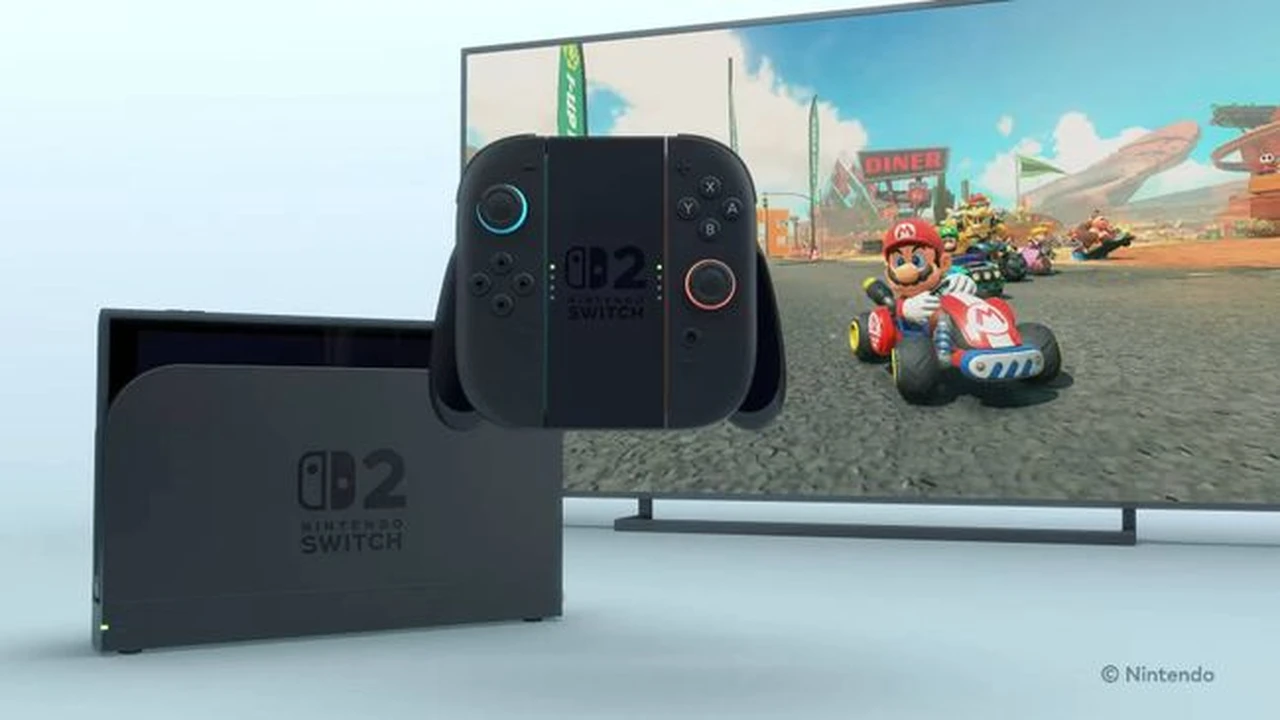
Should you upgrade from your original Nintendo Switch to the new Switch 2? Find out here.
Nintendo Switch 2 vs Original Switch Upgrade Guide
Hey there, fellow gamers! The air is thick with anticipation, isn't it? Rumors, leaks, and whispers about the Nintendo Switch 2 are everywhere, and if you're anything like me, you're probably wondering: is it time to ditch my trusty original Switch for the shiny new model? It's a big decision, especially with our hard-earned cash on the line. This guide is here to help you navigate that very question, breaking down what we expect from the Switch 2 and how it stacks up against the console we've all come to love.
Nintendo Switch 2 Performance and Graphics Upgrade
Let's be real, one of the biggest reasons to upgrade any console is for a noticeable jump in performance and graphics. The original Switch, while revolutionary in its hybrid design, is starting to show its age, especially when compared to the PS5 or Xbox Series X. We're talking about a significant leap here. The Nintendo Switch 2 is heavily rumored to feature a more powerful NVIDIA Tegra chip, potentially the T239, which would bring a substantial boost in processing power and graphical capabilities. This means higher resolutions, more stable frame rates, and more detailed environments in your favorite games.
Imagine playing the next Legend of Zelda or Mario Kart in native 1080p or even 4K when docked, with ray tracing effects making Hyrule or Rainbow Road look absolutely stunning. The original Switch often struggles to hit consistent 720p in handheld mode and 1080p docked, with dynamic resolution scaling frequently employed to maintain playable frame rates. The Switch 2 is expected to handle these resolutions with ease, offering a much crisper and smoother visual experience. This isn't just about prettier pixels; it's about more immersive gameplay, where you can truly appreciate the artistic vision of game developers without performance hiccups pulling you out of the experience.
Nintendo Switch 2 Display and Screen Enhancements
The original Switch came with an LCD screen, and while the Switch OLED model was a fantastic upgrade, the Switch 2 is expected to push the boundaries even further. While some rumors suggest the Switch 2 might revert to an LCD to keep costs down, the more optimistic (and frankly, more likely) speculation points towards an even better OLED panel, possibly with a higher refresh rate. An OLED screen offers incredible contrast, true blacks, and vibrant colors, making games pop, especially in handheld mode. If the Switch 2 comes with a 120Hz refresh rate, even if only for certain games or menus, it would make a huge difference in fluidity and responsiveness.
Think about how much time you spend looking at that screen in handheld mode. A better display isn't just a luxury; it's a fundamental improvement to your gaming experience. Brighter, more colorful, and smoother visuals make every game feel more premium. If you're currently on an original LCD Switch, the jump to an OLED on the Switch 2 would be transformative. Even if you have an OLED Switch, a potentially larger screen size or higher resolution on the Switch 2's display would still be a significant upgrade.
Nintendo Switch 2 Battery Life and Portability
Battery life is always a hot topic for portable consoles. The original Switch (V1) had decent battery life, which was then improved with the V2 model. The Switch OLED also offered good endurance. For the Nintendo Switch 2, we're hoping for even better. With more powerful hardware, efficient power management becomes crucial. We expect Nintendo to leverage advancements in chip technology and battery chemistry to deliver a console that can last longer on a single charge, even with increased performance demands.
Portability is Nintendo's bread and butter, and the Switch 2 won't stray from that. While there might be slight changes in size or weight, it will undoubtedly remain a highly portable device. The ability to seamlessly transition from handheld to docked mode is the core appeal of the Switch, and the Switch 2 will refine this experience. Improved kickstands, more robust build quality, and perhaps even a slightly more ergonomic design could all contribute to a better portable gaming experience.
Nintendo Switch 2 Joy-Con and Controller Innovations
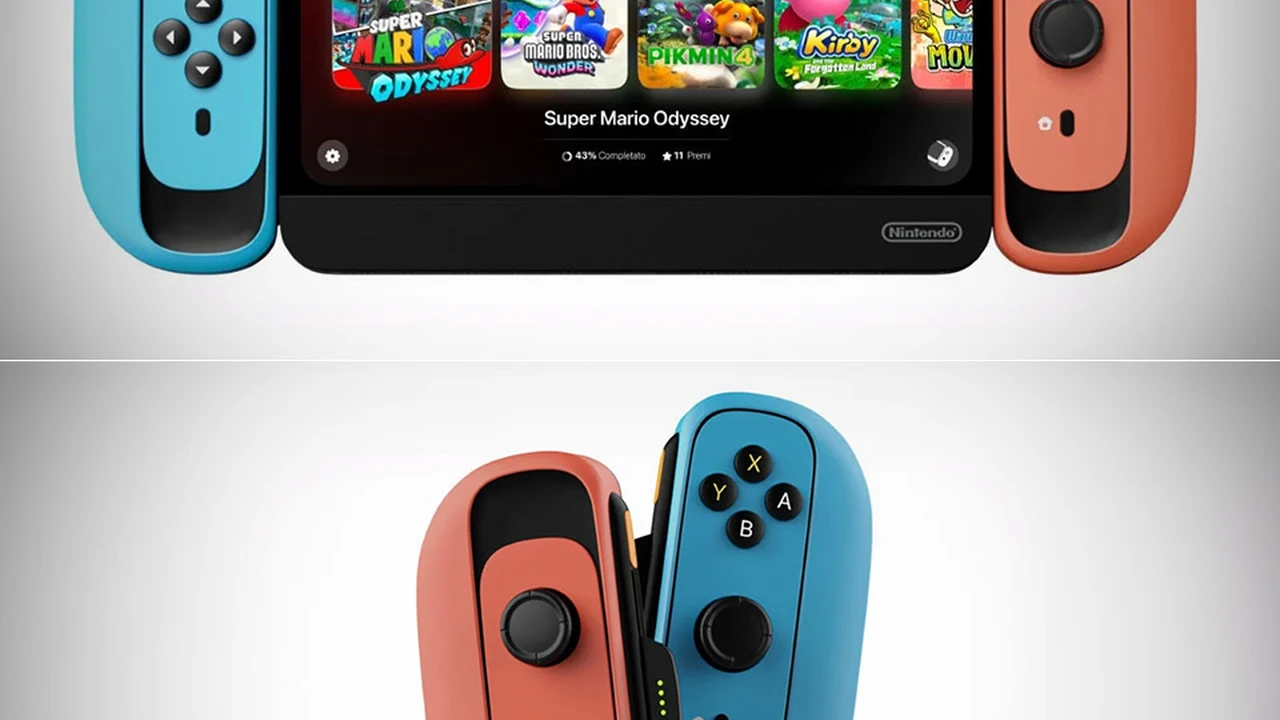
Ah, the Joy-Cons. Love 'em or hate 'em, they're iconic. The original Joy-Cons were revolutionary but also plagued by drift issues. For the Nintendo Switch 2, we're anticipating significant improvements. Rumors suggest a new magnetic attachment system, which could make them more secure and potentially reduce wear and tear. More importantly, we're hoping for a complete overhaul of the analog sticks to eliminate drift once and for all. Hall effect joysticks, which use magnets instead of physical contacts, are a popular request and would be a game-changer for durability.
Beyond fixing past issues, what new features could the Switch 2 Joy-Cons bring? Enhanced HD Rumble, more precise motion controls, or even new haptic feedback capabilities could deepen immersion. Imagine feeling the subtle vibrations of footsteps or the distinct recoil of different weapons. These small but impactful improvements can elevate the gaming experience. If you've been frustrated by Joy-Con drift or feel the current controllers lack a certain premium feel, the Switch 2's controllers could be a major selling point.
Nintendo Switch 2 Backward Compatibility and Game Library
This is a big one for many existing Switch owners: will the Nintendo Switch 2 be backward compatible with your current library of games? All signs point to a resounding yes. Nintendo has a strong history of backward compatibility with its consoles, and it would be a massive misstep to abandon the vast library of Switch games. This means your digital purchases and physical game cartridges should work seamlessly on the Switch 2, potentially even with performance enhancements like faster loading times or improved frame rates.
This is fantastic news because it means you won't have to repurchase your favorite games. It also ensures a robust launch library for the Switch 2, as developers can easily port or enhance existing titles. Beyond backward compatibility, the Switch 2 will naturally have its own exclusive titles designed to leverage its new power. Expect stunning new entries in beloved Nintendo franchises, as well as new IPs that push the boundaries of what's possible on a Nintendo console. The combination of a massive existing library and exciting new games makes the Switch 2 a very attractive proposition.
Nintendo Switch 2 Price and Value Proposition
The original Nintendo Switch launched at $299.99. The Switch OLED came in at $349.99. What about the Nintendo Switch 2? Given the expected technological advancements, a price increase is almost inevitable. Most analysts predict a price point in the range of $399.99 to $449.99. While this is higher, it's still competitive with current-gen consoles like the PS5 and Xbox Series X, especially considering the Switch 2's unique hybrid nature.
When considering the value, think about what you're getting. A more powerful console, potentially with a better screen, improved controllers, and backward compatibility, all while maintaining the unique handheld/docked flexibility. If the performance jump is as significant as rumored, and the new features enhance the overall experience, then the higher price could be justified. It's about weighing the cost against the benefits and how much you value those upgrades. For many, the ability to play next-gen Nintendo games on the go will be worth the investment.
Should You Upgrade to Nintendo Switch 2? Practical Scenarios
Let's break down some common scenarios to help you decide if upgrading to the Nintendo Switch 2 is right for you.
Scenario 1: You Own an Original Nintendo Switch (V1 or V2)
If you're still rocking an original LCD Switch, the upgrade to the Switch 2 will likely be a no-brainer for you. The difference in visual fidelity, potential screen quality (if it's OLED), and raw performance will be substantial. Games will look and run significantly better, and the improved Joy-Cons (hopefully!) will enhance your overall experience. This is probably the demographic that will see the most immediate and impactful benefits from upgrading. You'll experience a true generational leap.
Scenario 2: You Own a Nintendo Switch OLED Model
This is a tougher call. You already have a fantastic OLED screen and improved battery life. The primary reason to upgrade here would be the raw performance boost and access to Switch 2 exclusive titles. If you crave higher frame rates, better resolutions, and more graphically intensive games, then the Switch 2 is still a compelling upgrade. However, if you're perfectly happy with how your current games run and aren't bothered by the occasional performance dip, you might be able to hold off for a bit longer. It really depends on how much you prioritize cutting-edge performance over your current excellent display.
Scenario 3: You Don't Own Any Nintendo Switch Console
If you're new to the Nintendo ecosystem or haven't owned a Switch before, then waiting for the Nintendo Switch 2 is almost certainly the best option. You'll be getting the most powerful and feature-rich Nintendo console right out of the gate, with backward compatibility ensuring you have access to the entire Switch library from day one. It's the perfect entry point into Nintendo's unique world of gaming, offering the best of both portable and home console experiences.
Nintendo Switch 2 Specific Product Recommendations and Comparisons
While we don't have official product names for the Switch 2 yet, we can anticipate what kind of products will be relevant and how they might compare to existing ones.
Console Models: Standard vs. Potential Pro/Lite
The original Switch launched with one model, then saw the Lite (handheld only) and OLED (improved screen) versions. For the Switch 2, we expect a standard model first. Will there be a 'Switch 2 Pro' or 'Switch 2 Lite' down the line? It's possible, but unlikely at launch. The initial Switch 2 will likely be the 'all-in-one' hybrid experience, similar to the original. If Nintendo does release variations, a 'Lite' version would focus purely on handheld gaming at a lower price point, while a 'Pro' version might offer even higher performance or a premium build, but these are speculative for later releases.
Controller Options: New Joy-Cons vs. Pro Controller
The new Joy-Cons are expected to be the default. However, a new Nintendo Switch 2 Pro Controller is almost a certainty. The current Pro Controller is widely regarded as one of the best first-party controllers ever made, and a Switch 2 version would likely refine that design, perhaps with improved haptics, better battery life, or even adaptive triggers similar to the PS5's DualSense. For competitive or extended play, a dedicated Pro Controller is always recommended. Expect third-party alternatives from brands like 8BitDo or PowerA to follow quickly, offering more budget-friendly or specialized options.
Recommended Current Pro Controller (for reference): Nintendo Switch Pro Controller. Price: Around $69.99. Use Case: Docked play, competitive gaming, comfortable long sessions. Expect a Switch 2 version to build on this excellence.
Storage Solutions: MicroSD Cards
The Switch 2 will undoubtedly continue to use microSD cards for expandable storage. With larger game sizes expected, you'll want a high-capacity, high-speed card. Don't skimp here! A slow card can lead to longer loading times. Look for cards with A2 rating for better app performance.
Recommended Product: SanDisk Extreme microSDXC UHS-I Card. Capacities: 256GB, 512GB, 1TB. Price: Varies by capacity, e.g., 512GB for around $50-70. Use Case: Storing digital games, game updates, and screenshots. Essential for any digital-heavy gamer.
Comparison: Cheaper, generic microSD cards might save you a few dollars upfront, but they often have slower read/write speeds, leading to frustratingly long loading screens. Investing in a reputable brand like SanDisk, Samsung, or Lexar with good speed ratings is highly recommended for the best experience on the Switch 2.
Screen Protection: Tempered Glass
Just like with the original Switch, a screen protector will be crucial for the Switch 2, especially if it retains a plastic or softer screen like the OLED model. Tempered glass is the way to go for superior scratch and impact resistance.
Recommended Product: amFilm Tempered Glass Screen Protector. Price: Around $8-15 for a 2-pack. Use Case: Protecting the screen from scratches, drops, and impacts, especially in handheld mode or when docking/undocking.
Comparison: Plastic film protectors are cheaper but offer less protection and can be harder to apply without bubbles. Tempered glass provides a much clearer image, better touch sensitivity, and significantly more robust protection against damage.
Carrying Cases: Hard Shell vs. Slim
A good carrying case is essential for protecting your Switch 2 on the go. You'll find two main types: hard shell for maximum protection and slim cases for minimal bulk.
Recommended Hard Shell: Orzly Carry Case for Nintendo Switch. Price: Around $20-25. Use Case: Travel, daily commute, maximum protection against drops and impacts. Often includes slots for game cartridges and accessories.
Recommended Slim Case: Tomtoc Slim Case for Nintendo Switch. Price: Around $15-20. Use Case: Everyday protection in a backpack, minimal bulk, quick access. Less protective against severe drops but very convenient.
Comparison: Hard shell cases offer superior protection, often with dedicated compartments for accessories, but they are bulkier. Slim cases are great for portability and fitting into smaller bags but provide less impact protection. Choose based on your travel habits and how much protection you need.
Portable Power Banks: High Capacity
Even with improved battery life, a power bank is a must-have for long trips or extended gaming sessions away from an outlet. Look for one with USB-C Power Delivery (PD) for fast charging.
Recommended Product: Anker PowerCore III Elite 25600mAh 60W PD. Price: Around $100-120. Use Case: Charging your Switch 2 multiple times on the go, charging other devices like phones or tablets. Ideal for long flights or camping trips.
Comparison: Cheaper power banks might not offer USB-C PD, meaning slower charging for your Switch 2. Lower capacity banks will only provide one or two charges. Investing in a high-capacity, fast-charging power bank from a reputable brand like Anker or RAVPower ensures you're never left without power.
Final Thoughts on Your Upgrade Path
The decision to upgrade to the Nintendo Switch 2 isn't just about raw power; it's about enhancing your entire gaming ecosystem. If the rumors hold true, the Switch 2 will offer a significant leap in performance, visual fidelity, and potentially controller quality, all while maintaining the beloved hybrid design and backward compatibility. For those on an original Switch, it's a clear upgrade path. For OLED owners, it's a more nuanced decision based on your desire for cutting-edge performance. And for newcomers, it's the definitive way to jump into the world of Nintendo.
Keep an eye out for official announcements from Nintendo. That's when we'll get the definitive answers on specs, features, and pricing. Until then, keep saving up, and get ready for what promises to be an exciting new chapter in Nintendo's storied history of innovation!
:max_bytes(150000):strip_icc()/277019-baked-pork-chops-with-cream-of-mushroom-soup-DDMFS-beauty-4x3-BG-7505-5762b731cf30447d9cbbbbbf387beafa.jpg)