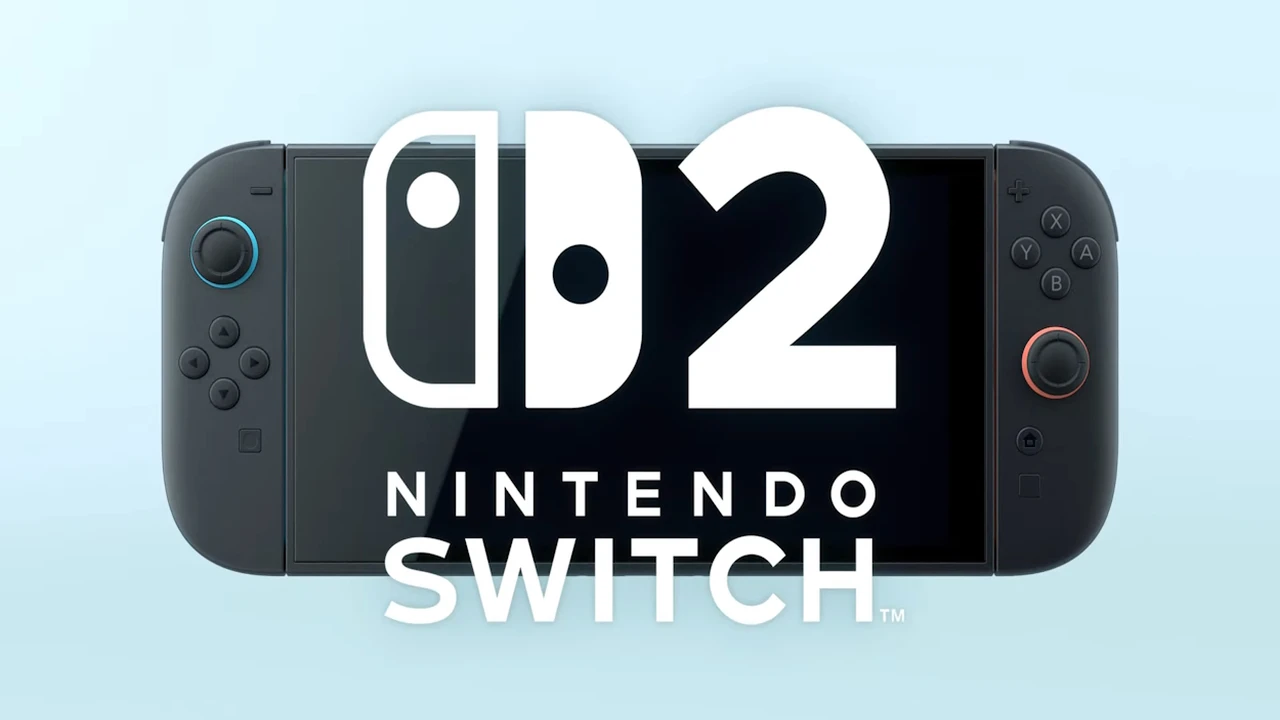
Nintendo's potential marketing and sales strategy for the Nintendo Switch 2 in the United States.
Nintendo's potential marketing and sales strategy for the Nintendo Switch 2 in the United States.
Nintendo Switch 2 US Market Strategy
Understanding the US Gaming Landscape for Nintendo Switch 2
The United States has always been a crucial market for Nintendo, a powerhouse of gaming innovation. With the impending arrival of the Nintendo Switch 2, understanding the nuances of the US gaming landscape is paramount for Nintendo's success. This isn't just about selling consoles; it's about capturing the hearts and wallets of a diverse gaming population. The US market is characterized by its sheer size, high disposable income compared to many other regions, and a strong appetite for both cutting-edge technology and nostalgic gaming experiences. Gamers here range from casual players who enjoy a quick round of Mario Kart with family to hardcore enthusiasts who demand the highest fidelity and competitive online play. Nintendo's strategy must cater to this broad spectrum.
One key aspect of the US market is its strong preference for digital content. While physical game sales still exist, digital downloads, subscriptions, and in-game purchases are increasingly dominant. This means Nintendo will need a robust eShop infrastructure, attractive digital bundles, and perhaps even a more compelling subscription service to rival Xbox Game Pass and PlayStation Plus. Furthermore, the US is a mobile-first nation, with many consumers spending significant time on smartphones and tablets. The Switch's hybrid nature already taps into this, but the Switch 2 could further blur the lines between dedicated gaming and mobile entertainment, perhaps with enhanced cloud streaming capabilities or deeper integration with mobile devices.
Another factor is the competitive environment. Sony's PlayStation and Microsoft's Xbox have strong footholds, particularly in the high-fidelity, traditional console space. PC gaming also commands a significant share of the market. Nintendo's unique selling proposition has always been its innovative gameplay, family-friendly appeal, and iconic first-party franchises. The Switch 2 needs to double down on these strengths while also addressing some of the perceived weaknesses of the original Switch, such as graphical power and online infrastructure, to remain competitive and attract new demographics.
Targeting Diverse Demographics with Nintendo Switch 2
Nintendo's success in the US has historically been built on its ability to appeal to a wide range of demographics, from young children to adults who grew up with Nintendo. The Nintendo Switch 2's marketing strategy will undoubtedly continue this tradition, but with a refined focus. For families, the emphasis will likely remain on shared experiences, local multiplayer, and accessible gameplay. Think of commercials showing parents and children laughing while playing together, highlighting the console's portability for family vacations or gatherings. The 'play anywhere' mantra will be key here.
For younger audiences, Nintendo will leverage its beloved characters like Mario, Link, and Pikachu. Marketing campaigns will be vibrant, engaging, and present on platforms where younger audiences spend their time, such as TikTok, YouTube, and popular gaming streams. Partnerships with popular content creators and influencers will be crucial for reaching this demographic authentically. The focus will be on fun, creativity, and the joy of discovery that Nintendo games offer.
However, Nintendo also needs to re-engage older, more 'core' gamers who might have drifted towards PlayStation or Xbox for their more graphically intensive titles. This means showcasing the Switch 2's improved performance, highlighting mature-rated first-party titles (if any are planned), and emphasizing strong third-party support. Marketing for this group might appear on gaming news sites, dedicated gaming channels, and during major esports events. The message here would be about the Switch 2 being a legitimate, powerful gaming machine that can stand alongside its competitors, while still offering that unique Nintendo charm.
Consider the potential for specific product bundles tailored to different demographics. A 'Family Fun Pack' could include a console, a copy of a new Mario game, and an extra set of Joy-Cons. A 'Pro Gamer Bundle' might feature the console, a more powerful Pro Controller, and a highly anticipated action-adventure title. These targeted offerings can maximize appeal and perceived value for different consumer segments.
Key Marketing Channels and Campaigns for Nintendo Switch 2
To effectively reach the vast US market, Nintendo will employ a multi-channel marketing approach for the Switch 2. Traditional advertising, while perhaps less dominant than in the past, will still play a role. Expect prime-time TV spots during major sporting events, family-oriented programming, and popular entertainment shows. These ads will likely be visually appealing, showcasing gameplay and the console's versatility.
Digital marketing will be paramount. This includes extensive social media campaigns across platforms like Twitter (X), Facebook, Instagram, and TikTok. Engaging content, interactive polls, countdowns to release, and behind-the-scenes glimpses of game development will generate hype. Search engine optimization (SEO) will be critical, ensuring that when consumers search for 'Nintendo Switch 2,' 'new Nintendo console,' or 'best portable gaming,' Nintendo's official sites and trusted retailers appear prominently. Paid search ads will also be a significant investment.
Influencer marketing will be a cornerstone. Partnering with popular gaming YouTubers, Twitch streamers, and TikTok creators will allow Nintendo to reach millions of potential customers through authentic endorsements and gameplay demonstrations. These influencers can showcase the Switch 2's features, review launch titles, and create engaging content that resonates with their audience. Nintendo might also host exclusive preview events for these influencers, generating early buzz.
Public relations will also be vital. Strategic leaks (controlled, of course), early review embargoes for major gaming publications, and appearances at major industry events like E3 (if it returns in a significant way) or The Game Awards will keep the Switch 2 in the news cycle. Press kits, interviews with key Nintendo executives, and detailed product information will be provided to journalists to ensure accurate and positive coverage.
Experiential marketing, though more challenging to scale, can also be effective. Pop-up events in major cities, demo stations at electronics retailers, and presence at gaming conventions will allow consumers to get hands-on with the Switch 2, creating memorable experiences that drive purchase intent. Imagine a 'Nintendo Switch 2 Roadshow' touring major US cities, offering exclusive demos and merchandise.
Pricing and Bundling Strategies for Nintendo Switch 2
Pricing is arguably one of the most critical elements of the US market strategy. Nintendo needs to strike a delicate balance between perceived value and affordability. While the US market can bear higher prices than some other regions, an excessively high price point could deter casual buyers and families. Based on industry trends and the original Switch's pricing, a launch price for the Nintendo Switch 2 in the range of $349 to $399 seems plausible. This would position it competitively against the lower-end PlayStation 5 Digital Edition and Xbox Series S, while still being significantly cheaper than the PS5 Disc Edition or Xbox Series X.
Bundling will be a key sales tactic. Launch bundles are almost a certainty, offering the console with a popular first-party game at a slightly reduced combined price. For example, a 'Nintendo Switch 2 + Mario Odyssey 2 Bundle' or a 'Nintendo Switch 2 + Zelda Tears of the Kingdom Remastered Bundle' could be highly attractive. Limited edition bundles, featuring unique console designs or exclusive in-game content, could also drive early adoption and create collector's appeal.
Beyond launch, Nintendo could introduce various tiers or versions of the Switch 2. Perhaps a 'Lite' version later down the line, focusing purely on handheld play at a lower price point, or a 'Pro' version with enhanced features for a premium. This tiered approach allows Nintendo to capture different segments of the market based on their budget and desired features.
Retail partnerships will be crucial. Collaborating closely with major US retailers like Best Buy, GameStop, Target, and Walmart will ensure widespread availability and prominent in-store placement. Exclusive retailer bundles or promotions could also be part of the strategy, driving traffic to specific stores or online platforms. For instance, a 'Walmart Exclusive Switch 2 Bundle' with a unique game or accessory.
Leveraging First-Party Exclusives and Third-Party Support for Nintendo Switch 2
Nintendo's greatest strength has always been its unparalleled library of first-party exclusive games. The US market, in particular, has a deep affection for franchises like Mario, Zelda, Pokémon, and Animal Crossing. The launch of the Switch 2 will undoubtedly be accompanied by at least one major first-party title, designed to showcase the console's new capabilities. This 'killer app' will be a primary driver of sales. Subsequent releases of highly anticipated sequels or new IPs within these beloved franchises will maintain momentum throughout the console's lifecycle.
However, relying solely on first-party titles is not enough for sustained success in the US. Strong third-party support is essential. Nintendo needs to attract major publishers like Activision Blizzard (now Microsoft), EA, Ubisoft, and Take-Two to bring their flagship titles to the Switch 2. This means demonstrating the console's improved hardware capabilities, offering developer-friendly tools, and potentially providing financial incentives for porting or developing games specifically for the platform. Showcasing graphically impressive third-party games during the Switch 2's reveal will be crucial for convincing core gamers that the console is a serious contender.
Indie game support will also be vital. The original Switch became a haven for independent developers, and the Switch 2 should continue this trend. Highlighting unique, innovative indie titles can broaden the console's appeal and offer diverse gaming experiences. Nintendo could continue its 'Nindies Showcase' events, providing a platform for these smaller studios to gain exposure.
Consider the potential for exclusive content or timed exclusivity deals for certain third-party games. While a full-fledged 'console exclusive' might be rare for major multi-platform titles, a 'Switch 2 Enhanced Edition' with exclusive features or earlier access could be a powerful draw. This strategy would emphasize the unique capabilities of the Switch 2 and provide a reason for gamers to choose Nintendo's platform over others for specific titles.
Building a Strong Online Ecosystem for Nintendo Switch 2
The US gaming market has a strong emphasis on online multiplayer and digital services. While Nintendo has made strides with Nintendo Switch Online, the Switch 2 needs to offer a more robust and competitive online ecosystem to truly thrive. This means improved network infrastructure, more stable online play, and a more feature-rich subscription service.
Nintendo Switch Online for the Switch 2 could be revamped to include more modern features. This might involve a more comprehensive friends list and party chat system, cloud saves that are more easily accessible and reliable, and perhaps even a tiered subscription model. A 'Premium' tier could offer access to a larger library of classic games, exclusive discounts, or even early access to demos and betas.
Voice chat integration, which has been a point of contention on the original Switch, needs to be seamless and integrated directly into the console's operating system, rather than relying on external apps. This is a basic expectation for online gaming in the US market.
Furthermore, Nintendo could explore deeper integration with popular streaming platforms. Making it easier for users to stream their gameplay directly from the Switch 2 to Twitch or YouTube could foster a stronger community and provide organic marketing for the console and its games. Built-in video capture and editing tools could also enhance this aspect.
Finally, a more intuitive and feature-rich eShop experience is necessary. Faster loading times, better search functionality, personalized recommendations, and more frequent sales and promotions would enhance the digital storefront and encourage more digital purchases. A loyalty program that rewards frequent digital buyers could also be a strong incentive.
Post-Launch Support and Community Engagement for Nintendo Switch 2
The launch is just the beginning. Sustained success in the US market for the Nintendo Switch 2 will depend heavily on robust post-launch support and continuous community engagement. This includes regular system updates that introduce new features, improve performance, and address any bugs. These updates should be communicated clearly to the user base.
Nintendo should maintain a consistent release schedule of both first-party and strong third-party titles throughout the console's lifespan. Gaps in the release calendar can lead to a loss of momentum and consumer interest. This also means supporting existing games with DLC, expansions, and online events to keep players engaged.
Community engagement is crucial. Nintendo has a passionate fanbase in the US, and fostering this community through official forums, social media interactions, and fan events can build loyalty. Hosting official tournaments for popular multiplayer games, organizing community challenges, and actively listening to player feedback can make users feel valued and heard.
Customer support and repair services must be efficient and accessible. A positive post-purchase experience, including easy access to troubleshooting guides, responsive customer service, and reliable repair options, builds trust and enhances brand reputation. Offering extended warranty options or repair plans could also be considered.
Finally, Nintendo should continue to innovate with the Switch 2. While the initial launch will focus on core features, future updates or accessory releases could introduce new ways to play, keeping the console fresh and exciting for years to come. This forward-thinking approach ensures the Switch 2 remains relevant in a rapidly evolving gaming landscape.
:max_bytes(150000):strip_icc()/277019-baked-pork-chops-with-cream-of-mushroom-soup-DDMFS-beauty-4x3-BG-7505-5762b731cf30447d9cbbbbbf387beafa.jpg)