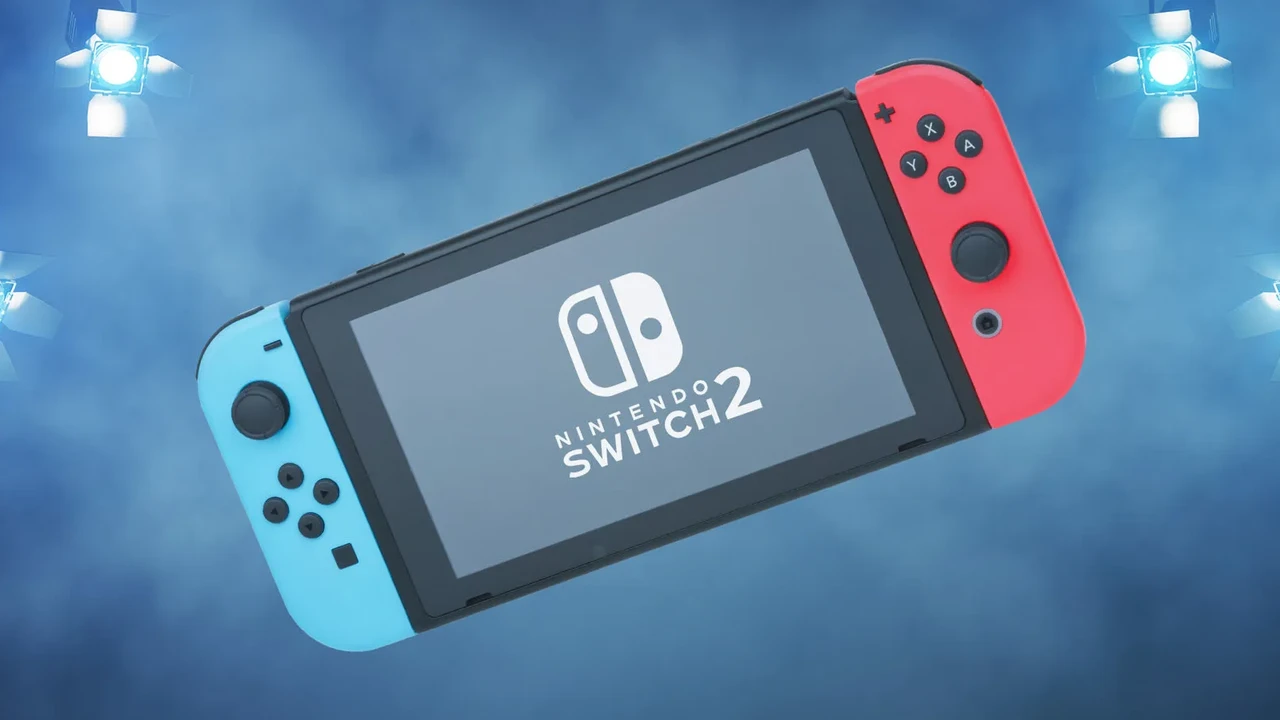
How the announcement and release of the Nintendo Switch 2 might affect Nintendo's stock.
How the announcement and release of the Nintendo Switch 2 might affect Nintendo's stock.
Nintendo Switch 2 Investor Reactions
Understanding Nintendo Stock Performance and the Switch Legacy
Nintendo's stock, traded on the Tokyo Stock Exchange (TSE) and as American Depositary Receipts (ADRs) in the US, has historically been a fascinating barometer of the gaming industry's health and Nintendo's innovative prowess. The original Nintendo Switch, launched in 2017, was a monumental success, revitalizing the company's fortunes after the Wii U's struggles. Its hybrid nature, strong first-party titles, and broad appeal led to unprecedented sales, pushing Nintendo's stock to new highs. Investors keenly watched every sales report, every new game announcement, and every hardware revision. The Switch's longevity and continued strong performance have provided a stable foundation, but the market is always looking ahead. The anticipation for the Nintendo Switch 2 isn't just about new games; it's about the next chapter for a company that has consistently redefined interactive entertainment. Investors are dissecting every rumor, every patent filing, and every analyst prediction to gauge the potential impact on Nintendo's valuation. Will the Switch 2 be another home run, or will it face unexpected challenges? The stakes are incredibly high, and the market's reaction will be swift and decisive.
Pre-Announcement Speculation and Investor Sentiment for Nintendo Switch 2
Before any official announcement, the investment community is a hotbed of speculation. Analysts from major financial institutions like Goldman Sachs, Morgan Stanley, and JP Morgan are constantly publishing reports, adjusting price targets, and offering their insights into Nintendo's future. These reports often cite supply chain checks, patent analyses, and comparisons to competitor strategies. For the Nintendo Switch 2, pre-announcement speculation has centered on several key areas: the release window, the pricing strategy, and the console's technical specifications. A more powerful console, capable of running graphically intensive games, is generally seen as a positive, potentially attracting a broader audience and securing more third-party support. However, a significantly higher price point could deter some consumers, especially in price-sensitive markets like Southeast Asia. Investors are also looking at the global economic climate. Inflationary pressures and rising interest rates could impact consumer spending on discretionary items like gaming consoles. The sentiment is a delicate balance between excitement for innovation and caution regarding market realities. Positive leaks or strong analyst endorsements can send the stock soaring, while negative rumors or delays can cause a dip. It's a high-stakes game of anticipation.
The Immediate Impact of Nintendo Switch 2 Official Announcement
The moment Nintendo officially announces the Switch 2, the market will react instantly. This reaction will be a complex interplay of pre-existing expectations and the specifics of the announcement. If the announcement aligns with or exceeds positive market expectations – for example, a surprisingly early release date, a competitive price, or groundbreaking new features – Nintendo's stock could experience a significant surge. This is often referred to as a 'pop' or 'rally.' Conversely, if the announcement falls short of expectations – perhaps a later release, a higher-than-anticipated price, or a lack of compelling new features – the stock could see a sharp decline. Investors will be scrutinizing every detail: the console's name, its design, the launch titles, and any new services. The clarity and confidence conveyed by Nintendo's leadership during the announcement will also play a crucial role. A well-executed presentation that clearly articulates the vision for the Switch 2 can instill confidence, while a vague or unconvincing one can lead to uncertainty and sell-offs. The initial hours and days following the announcement are critical for short-term investors and traders.
Long-Term Investor Outlook and Nintendo Switch 2 Sales Performance
Beyond the immediate reaction, long-term investors will focus on the Nintendo Switch 2's sustained sales performance and its ability to drive ecosystem growth. The success of the console isn't just about hardware sales; it's about software sales, Nintendo Switch Online subscriptions, and accessory purchases. A strong attach rate (the number of games sold per console) and consistent engagement will be key indicators of long-term success. Investors will be looking for signs that the Switch 2 can replicate or even surpass the original Switch's impressive sales trajectory. Factors like supply chain stability, manufacturing capacity, and global distribution will be closely monitored. Any significant production bottlenecks or widespread shortages could dampen sales and investor enthusiasm. Furthermore, the competitive landscape will remain a factor. How will the Switch 2 fare against Sony's PlayStation and Microsoft's Xbox, especially as those companies also evolve their hardware and service offerings? Nintendo's ability to maintain its unique market position and continue innovating will be paramount. The long-term outlook will also consider Nintendo's broader strategy, including its ventures into mobile gaming, theme parks, and other entertainment sectors, all of which contribute to the overall brand value and investor confidence.
Regional Market Dynamics and Nintendo Switch 2 Investor Impact
The impact of the Nintendo Switch 2 on Nintendo's stock will also be influenced by regional market dynamics, particularly in key territories like the US and Southeast Asia. In the US, a mature and highly competitive gaming market, the Switch 2 will need to demonstrate clear advantages over its predecessors and rivals to capture significant market share. Strong marketing campaigns, compelling game lineups, and competitive pricing will be crucial. Investors will be watching US sales figures closely as a bellwether for global performance. In Southeast Asia, a rapidly growing and increasingly affluent gaming market, the dynamics are slightly different. While price sensitivity is still a factor, the region's burgeoning middle class and high mobile penetration present a unique opportunity for Nintendo. The Switch's portability and family-friendly appeal resonated well in this region. For the Switch 2, localized marketing, accessible pricing, and strong support for popular genres in the region (like mobile-first titles or specific esports) could drive significant growth. Investors will be keen to see if Nintendo can effectively tailor its strategy to capitalize on the diverse consumer preferences across countries like Indonesia, Thailand, Vietnam, and the Philippines. Success in these emerging markets could provide a substantial boost to Nintendo's overall revenue and profitability, positively impacting investor sentiment and stock performance.
Analyst Price Targets and Investor Recommendations for Nintendo
Following the Nintendo Switch 2's announcement and initial sales data, financial analysts will update their price targets and investor recommendations for Nintendo's stock. These recommendations typically fall into categories like 'Buy,' 'Hold,' or 'Sell,' reflecting the analyst's outlook on the stock's future performance. A 'Buy' recommendation suggests the analyst believes the stock is undervalued and has significant upside potential, while a 'Sell' indicates an expectation of decline. These price targets are derived from various valuation models, including discounted cash flow (DCF) analysis, comparable company analysis (CCA), and sum-of-the-parts valuation. For the Switch 2, analysts will factor in projected sales volumes, average selling prices, software attach rates, and the potential for new revenue streams (e.g., enhanced online services or new accessory lines). They will also consider Nintendo's balance sheet strength, cash flow generation, and dividend policy. Investors often use these analyst reports as a guide, though it's important to remember that they are just one perspective and can sometimes be wrong. Major investment banks like Nomura, UBS, and Credit Suisse will be among the first to issue updated reports, influencing institutional and retail investors alike. The consensus of these analyst opinions can significantly sway market sentiment and the stock's trajectory.
Risk Factors and Challenges for Nintendo Switch 2 Investment
Investing in Nintendo, even with the promise of the Switch 2, comes with inherent risks and challenges that investors must consider. One major risk is intense competition from other console manufacturers (Sony, Microsoft) and the ever-growing mobile gaming sector. While Nintendo occupies a unique niche, a lack of innovation or a misstep in strategy could allow competitors to gain ground. Another significant risk is supply chain disruptions, as seen during the COVID-19 pandemic. Component shortages, manufacturing delays, or logistical issues could severely impact the Switch 2's availability and sales. Economic downturns and reduced consumer discretionary spending also pose a threat, particularly if the console is priced at a premium. Furthermore, the gaming industry is highly dependent on hit titles. If the Switch 2's launch lineup or subsequent game releases fail to resonate with consumers, it could negatively impact hardware sales and ecosystem engagement. Intellectual property protection and the threat of piracy are ongoing concerns. Finally, currency fluctuations, especially between the Japanese Yen and major currencies like the US Dollar, can impact Nintendo's reported earnings, as a significant portion of its revenue comes from overseas markets. Investors need to weigh these risks against the potential rewards when making their investment decisions.
Nintendo's Financial Health and Future Investment in Innovation
Nintendo's strong financial health provides a solid foundation for the Switch 2's success and future innovation. The company typically maintains a robust cash position, allowing it to invest heavily in research and development (R&D), acquire new talent, and explore new technologies. This financial strength means Nintendo is less reliant on external financing and can weather economic downturns more effectively than some competitors. Investors will be looking for continued R&D investment in areas like cloud gaming, virtual reality, and artificial intelligence, which could shape the future of interactive entertainment. The Switch 2 itself is a product of significant R&D, incorporating new chipsets, display technologies, and potentially new input methods. Nintendo's ability to consistently innovate and surprise the market is a key driver of its long-term value. Furthermore, the company's disciplined approach to intellectual property management and its vast library of beloved characters (Mario, Zelda, Pokémon) provide a unique competitive advantage. These assets can be leveraged across various entertainment mediums, from games to movies and theme parks, creating diversified revenue streams. A healthy balance sheet and a clear strategy for future investment in innovation are strong signals for long-term investors.
Comparative Analysis of Gaming Company Stocks and Nintendo's Position
Investors often perform a comparative analysis of gaming company stocks to understand Nintendo's relative position and attractiveness. This involves comparing Nintendo's valuation metrics (e.g., Price-to-Earnings ratio, Enterprise Value to EBITDA) with those of its peers, such as Sony (PlayStation), Microsoft (Xbox), Electronic Arts, Activision Blizzard (now part of Microsoft), and Tencent (a major player in mobile gaming). Each company has a different business model and market focus. Sony and Microsoft are direct console competitors, but also have significant interests in other sectors (electronics, cloud computing). Publishers like EA and Activision Blizzard are purely software-focused. Nintendo's unique position as both a hardware manufacturer and a first-party software developer, with a strong emphasis on family-friendly entertainment and innovative gameplay, sets it apart. Its hybrid console strategy also differentiates it from traditional home consoles and pure mobile gaming. Investors will assess whether Nintendo's stock is trading at a premium or discount compared to its peers, and whether that valuation is justified by its growth prospects, profitability, and competitive advantages. The launch of the Switch 2 will undoubtedly influence this comparative analysis, potentially shifting Nintendo's perceived value within the broader gaming industry landscape.
The Role of Dividends and Share Buybacks in Nintendo Investor Returns
For many investors, particularly those focused on long-term returns, Nintendo's dividend policy and potential for share buybacks are important considerations. Dividends represent a direct return of capital to shareholders, providing a steady income stream. Nintendo has historically paid dividends, and investors will be keen to see if the success of the Switch 2 leads to increased payouts. A consistent and growing dividend can signal financial stability and confidence from management. Share buybacks, where a company repurchases its own stock from the open market, can also enhance shareholder value by reducing the number of outstanding shares, thereby increasing earnings per share (EPS) and potentially boosting the stock price. While Nintendo has engaged in buybacks in the past, the scale and frequency can vary. Investors will be looking for signals from Nintendo's management regarding their capital allocation strategy post-Switch 2 launch. A balanced approach that combines strategic investments in R&D, potential acquisitions, and shareholder returns through dividends and buybacks is generally viewed favorably by the market. These actions demonstrate a commitment to maximizing shareholder value and can attract a broader base of investors, including those seeking income as well as growth.

:max_bytes(150000):strip_icc()/277019-baked-pork-chops-with-cream-of-mushroom-soup-DDMFS-beauty-4x3-BG-7505-5762b731cf30447d9cbbbbbf387beafa.jpg)