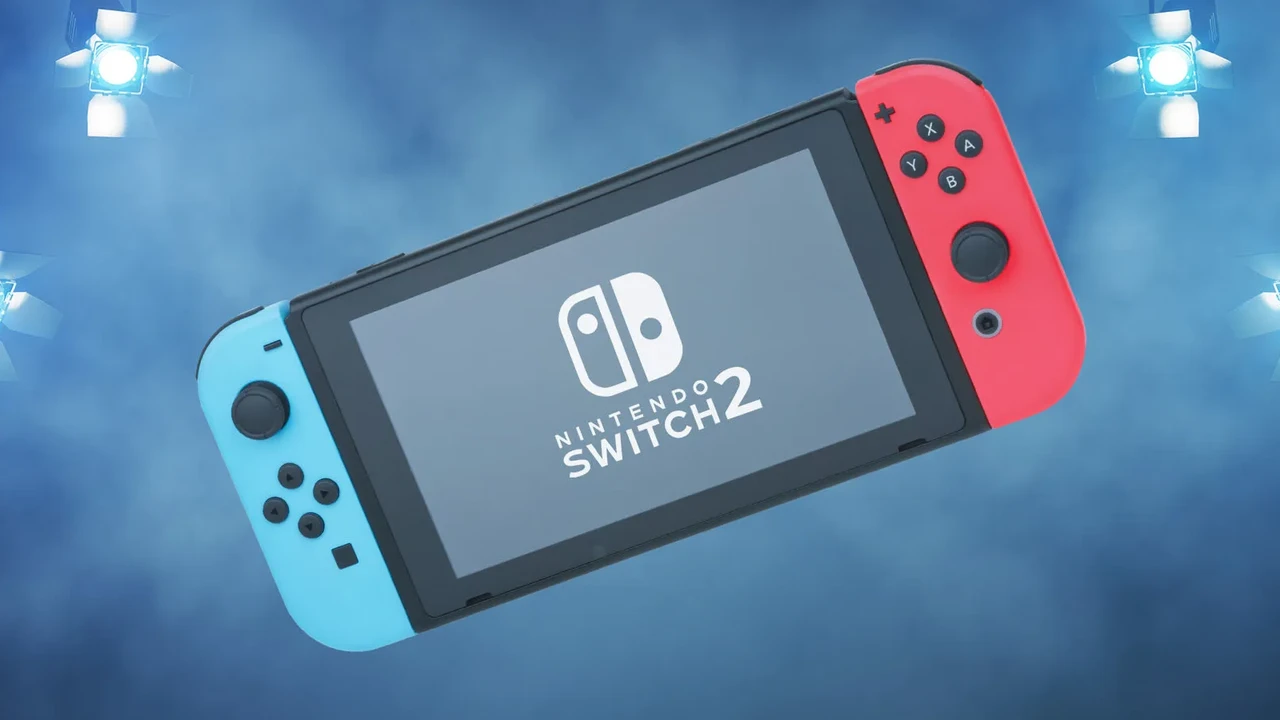
Explore the expected level of third-party game support for the Nintendo Switch 2 console.
Explore the expected level of third-party game support for the Nintendo Switch 2 console. The Nintendo Switch has been a phenomenal success, largely due to its unique hybrid nature and Nintendo's stellar first-party lineup. However, a console's true longevity and appeal often hinge on the strength of its third-party support. As we look towards the highly anticipated Nintendo Switch 2, one of the most pressing questions for many gamers and industry observers is: what level of third-party game support can we truly expect?
Nintendo Switch 2 Third Party Game Support
Understanding the Importance of Third Party Games for Nintendo Switch 2 Success
Third-party games are the lifeblood of any console ecosystem. While Nintendo's own franchises like Mario, Zelda, and Pokémon are undeniable system sellers, they cannot sustain a console indefinitely. A robust library of games from external developers, ranging from major AAA publishers to innovative indie studios, provides variety, broadens appeal, and ensures a steady stream of new content. For the Nintendo Switch 2, strong third-party support means more diverse genres, more frequent releases, and a wider audience reach, ultimately contributing to greater sales and a longer console lifespan. Without it, even the most powerful Nintendo console risks becoming a 'first-party machine' with limited appeal for those seeking a broader gaming experience.
Historical Context Nintendo Switch Third Party Performance
To predict the future, it's often helpful to look at the past. The original Nintendo Switch had a somewhat rocky start with third-party support, especially from major Western publishers. Early on, many developers struggled to port their graphically intensive titles to the Switch's less powerful hardware. However, over time, optimization techniques improved, and the console's massive install base became too lucrative to ignore. We saw impressive ports of games like *DOOM Eternal*, *The Witcher 3: Wild Hunt*, and *Control*, albeit often with visual compromises. Indie developers, on the other hand, embraced the Switch from day one, finding its portable nature and large audience a perfect fit for their titles. This led to the Switch becoming a haven for indie games, a trend we expect to continue and even accelerate with the Switch 2.
Expected Hardware Improvements and Their Impact on Nintendo Switch 2 Third Party Titles
The most significant factor influencing third-party support for the Nintendo Switch 2 will undoubtedly be its hardware. Rumors and leaks consistently point to a substantial upgrade in processing power, graphics capabilities, and RAM. A more powerful GPU, potentially based on NVIDIA's Ampere or even Ada Lovelace architecture, would allow for more direct ports of current-generation games from PlayStation 5 and Xbox Series X/S, albeit likely with resolution and frame rate adjustments. Increased RAM would also be crucial for handling larger game assets and more complex environments. These improvements would significantly lower the barrier to entry for developers, making it easier and more cost-effective to bring their titles to the Switch 2 without extensive re-engineering.
Major Publishers and Their Potential Nintendo Switch 2 Commitments
Major publishers like Electronic Arts, Ubisoft, Activision Blizzard (now Microsoft), Take-Two Interactive, and Capcom will be key indicators of the Switch 2's third-party success. With a more capable console, we can expect to see more simultaneous releases of their flagship titles, rather than delayed or heavily compromised ports. For example, instead of a cloud version of *Assassin's Creed Mirage*, we might see a native, albeit scaled-down, version. Sports titles like *FIFA* (now *EA Sports FC*) and *NBA 2K* could offer a more feature-complete experience. The acquisition of Activision Blizzard by Microsoft also opens up interesting possibilities, as Microsoft has expressed a desire to bring more of its games to more platforms, including potentially the Switch 2.
Indie Developers and the Nintendo Switch 2 Ecosystem
Indie developers have always found a welcoming home on Nintendo platforms, and the Switch 2 is expected to continue this trend. The improved hardware will allow indie studios to create more ambitious and visually impressive titles without sacrificing performance. The Switch's unique appeal as a portable console for indie games is a strong selling point, and the Switch 2 will only enhance this. We anticipate a continued flood of innovative and creative indie titles, many of which might even launch simultaneously on Switch 2 alongside PC and other consoles.
Japanese Developers and Their Role in Nintendo Switch 2 Third Party Lineup
Japanese developers have historically been strong supporters of Nintendo platforms, and this is unlikely to change with the Switch 2. Companies like Square Enix, Bandai Namco, Koei Tecmo, and Atlus have consistently brought their popular franchises to the Switch. With enhanced hardware, we can expect even more visually stunning JRPGs, action games, and unique experiences from these studios. The Switch 2's success in Japan, a crucial market for Nintendo, will heavily rely on the continued strong support from these domestic developers.
Challenges and Considerations for Nintendo Switch 2 Third Party Support
Despite the optimism, challenges remain. The Switch 2, while more powerful, will still likely not match the raw power of the PlayStation 5 or Xbox Series X. Developers will still need to optimize their games, and some graphically demanding titles might still require compromises or even be deemed unfeasible. Pricing strategies for third-party games on Switch 2 will also be a factor; will publishers charge full AAA prices for potentially scaled-down versions? Furthermore, the console's unique form factor and control schemes (e.g., Joy-Cons) might still present development hurdles for games primarily designed for traditional controllers.
Specific Game Series and Their Nintendo Switch 2 Third Party Prospects
Let's delve into some specific game series and their potential for the Nintendo Switch 2:
Call of Duty on Nintendo Switch 2
With Microsoft's acquisition of Activision Blizzard, the prospect of *Call of Duty* on a Nintendo console has become a very real possibility. Microsoft has signed a 10-year agreement to bring *Call of Duty* to Nintendo platforms. While the original Switch struggled with such a demanding title, the Switch 2's improved hardware makes a native, albeit optimized, version highly plausible. This would be a massive win for Nintendo, bringing one of the world's biggest gaming franchises to its ecosystem. We could expect a version comparable to last-gen console versions, focusing on stable frame rates and acceptable resolution. The price would likely be standard AAA pricing, around $60-$70 USD.
Grand Theft Auto on Nintendo Switch 2
The *Grand Theft Auto* series has a complex history with Nintendo. While some older titles made their way to Nintendo handhelds, the modern 3D entries have largely skipped Nintendo consoles. With *Grand Theft Auto VI* on the horizon, it's highly unlikely to see a simultaneous launch on Switch 2 due to its immense technical demands. However, a port of *Grand Theft Auto V* or even the *Grand Theft Auto: The Trilogy – The Definitive Edition* (with significant performance improvements over the original Switch version) is a distinct possibility. A well-optimized *GTA V* on Switch 2 would be a huge selling point, offering a massive open-world experience on the go. Expect a price point similar to other console versions, perhaps $30-$60 depending on the title.
Elden Ring and Other FromSoftware Titles on Nintendo Switch 2
FromSoftware's critically acclaimed titles like *Elden Ring* and *Dark Souls* have a massive following. While *Dark Souls Remastered* did make it to the original Switch, *Elden Ring* was deemed too demanding. With the Switch 2's power bump, a native port of *Elden Ring* becomes a more realistic proposition. It would likely run at a lower resolution and frame rate compared to PS5/Xbox Series X, perhaps targeting 720p handheld and 1080p docked at 30fps. This would still be a significant achievement and a major draw for fans of challenging action RPGs. The price would be standard new game pricing, around $60 USD.
Cyberpunk 2077 on Nintendo Switch 2
*Cyberpunk 2077* was notoriously demanding even on powerful PCs and current-gen consoles. A native port to the original Switch was unthinkable. For the Switch 2, it's still a stretch, but not entirely impossible if CD Projekt Red were willing to make significant visual compromises, similar to how *The Witcher 3* was ported. It would require a dedicated team and a lot of optimization. If it were to happen, expect a heavily scaled-down version, perhaps targeting 720p at 20-30fps. The likelihood is still low, but the possibility exists for a cloud version or a highly optimized native port if the demand is there. Price would be full AAA price, around $60 USD.
Red Dead Redemption 2 on Nintendo Switch 2
Similar to *Grand Theft Auto V*, *Red Dead Redemption 2* is another massive open-world title from Rockstar Games. Its sheer scale and graphical fidelity made it impossible for the original Switch. For the Switch 2, a port is more plausible, but it would still be a monumental undertaking. Expect significant visual downgrades, potentially targeting 720p handheld and 900p docked at 30fps. If Rockstar sees a large enough install base and a viable path for optimization, it could be a huge addition to the Switch 2 library. Price would be standard AAA pricing, around $60 USD.
The Role of Cloud Gaming and Streaming on Nintendo Switch 2
While native ports are ideal, cloud gaming could still play a role, especially for the most graphically demanding titles. The original Switch saw cloud versions of games like *Control*, *Hitman 3*, and *Resident Evil Village*. The Switch 2, with its improved connectivity, could offer a more stable and higher-quality cloud streaming experience. This would allow Nintendo to offer access to games that are simply too demanding for the console's native hardware, expanding the library even further. However, cloud gaming relies heavily on a stable internet connection, which isn't always guaranteed for a portable console.
Nintendo's Strategy for Cultivating Third Party Relationships for Switch 2
Nintendo has learned valuable lessons from the Wii U era, where a lack of third-party support contributed to its struggles. With the original Switch, they actively courted indie developers and made efforts to improve relations with major publishers. For the Switch 2, Nintendo will likely continue this proactive approach. This includes providing developer-friendly tools, offering technical support, and potentially even co-marketing opportunities. Ensuring a smooth development pipeline and demonstrating a large, engaged audience will be crucial for attracting and retaining third-party commitment.
The Future of Third Party Gaming on Nintendo Switch 2
The outlook for third-party game support on the Nintendo Switch 2 is significantly more optimistic than it was for the original Switch at launch. The expected hardware improvements will bridge much of the power gap with competing consoles, making ports easier and more visually appealing. The continued strong performance of the Nintendo brand and its massive install base will also be a powerful incentive for developers. While the Switch 2 may not get every single AAA game at launch, we can expect a much more robust and diverse third-party library, ensuring that the console offers a comprehensive gaming experience beyond Nintendo's own beloved franchises. This will be a key factor in the Switch 2's long-term success and its ability to appeal to a broader global audience, particularly in markets like the US and Southeast Asia where diverse gaming content is highly valued.
:max_bytes(150000):strip_icc()/277019-baked-pork-chops-with-cream-of-mushroom-soup-DDMFS-beauty-4x3-BG-7505-5762b731cf30447d9cbbbbbf387beafa.jpg)