Nintendo Switch 2 Post Launch Updates
Anticipating major system updates and feature additions for the Nintendo Switch 2 after launch.
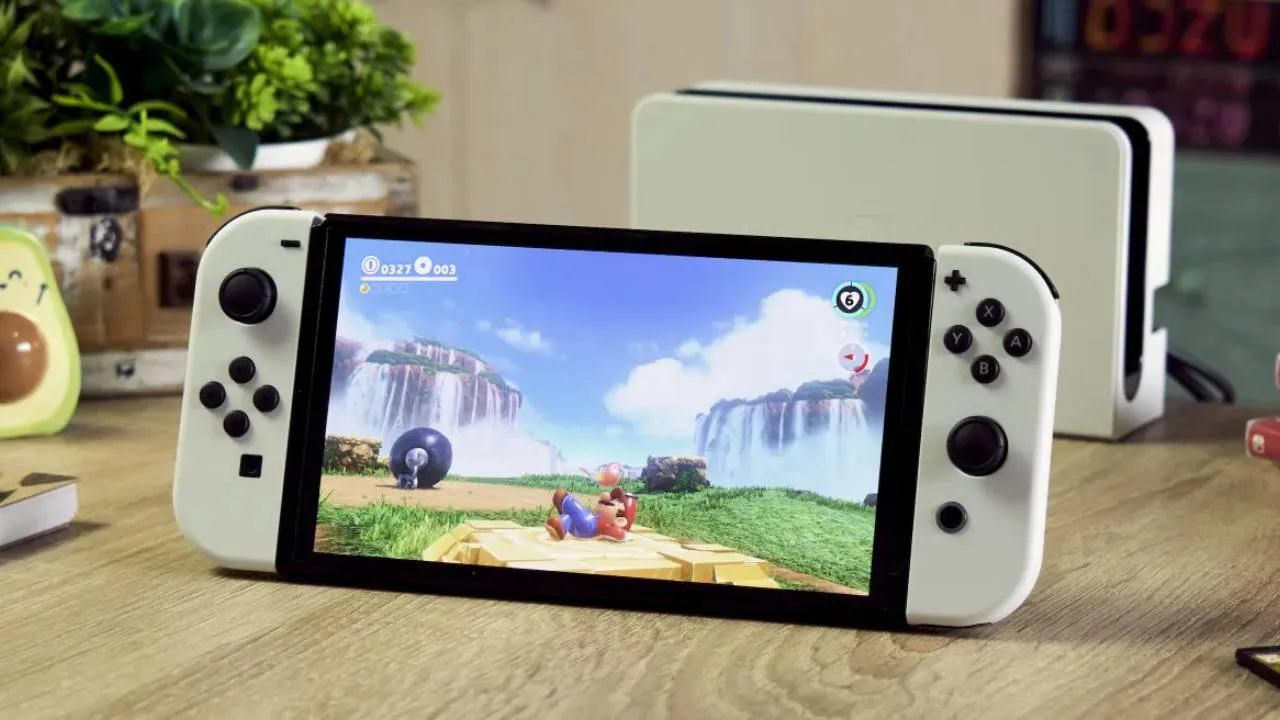
Anticipating major system updates and feature additions for the Nintendo Switch 2 after launch.
Nintendo Switch 2 Post Launch Updates Explained
The launch of any new console, especially one as anticipated as the Nintendo Switch 2, is just the beginning of its journey. While the initial hardware and software package will undoubtedly be impressive, Nintendo has a long history of enhancing its platforms through significant post-launch updates. These updates aren't just about fixing bugs; they often introduce new features, improve performance, and even lay the groundwork for future hardware or service integrations. For the Nintendo Switch 2, understanding the potential scope and nature of these updates is crucial for both new owners and those considering an upgrade.
Why Post Launch Updates Matter for Nintendo Switch 2 Owners
Post-launch updates are the lifeblood of modern gaming consoles. They ensure longevity, address unforeseen issues, and keep the user experience fresh and engaging. For the Nintendo Switch 2, these updates will be particularly important for several reasons. Firstly, they allow Nintendo to respond to user feedback and adapt the console's functionality to real-world usage patterns. Secondly, they can introduce new multimedia capabilities or expand existing ones, making the Switch 2 more than just a gaming device. Thirdly, and perhaps most importantly for gamers, updates can optimize game performance, introduce new online features, and even enhance the console's security. Think about how the original Switch evolved over its lifespan, gaining features like video capture, save data cloud backups, and various UI improvements. The Switch 2 is expected to follow a similar, if not more ambitious, trajectory.
Anticipated System Software Updates for Nintendo Switch 2
Based on Nintendo's past practices and current industry trends, we can anticipate several key areas for system software updates on the Nintendo Switch 2. These will likely range from fundamental performance enhancements to entirely new functionalities.
Performance and Stability Enhancements for Nintendo Switch 2
Even the most polished launch hardware can benefit from software optimization. Expect day-one patches and subsequent updates to fine-tune the Switch 2's operating system, improving boot times, menu navigation responsiveness, and overall system stability. These updates might also include driver optimizations for the new hardware, ensuring games run as smoothly and efficiently as possible. For example, if the Switch 2 features dynamic resolution scaling or variable refresh rate (VRR) support, updates could refine how these technologies are implemented across various titles.
User Interface and Experience Improvements for Nintendo Switch 2
The original Switch's UI is functional but somewhat basic. The Switch 2 presents an opportunity for a more modern, customizable, and feature-rich interface. Post-launch updates could introduce new themes, folder management options, enhanced notification systems, and more intuitive ways to organize games and applications. Imagine a more robust friends list, improved messaging capabilities, or even a more dynamic home screen that adapts to your gaming habits. Nintendo could also introduce new accessibility options, making the console more inclusive for all players.
Expanded Multimedia Capabilities for Nintendo Switch 2
While primarily a gaming console, the Switch 2 is likely to expand its multimedia offerings. Initial launch might see basic streaming apps, but updates could bring a wider array of services, improved video playback quality (perhaps 4K streaming when docked), and even new audio codecs. We might see better integration with smart home devices or enhanced casting capabilities. Consider the possibility of a dedicated web browser that is actually usable, or even support for external media playback from USB drives, features that were notably absent or limited on the original Switch.
Nintendo Switch Online Service Enhancements for Switch 2
Nintendo Switch Online (NSO) is a cornerstone of the Switch ecosystem. For the Switch 2, expect significant updates to this service. This could include new retro console libraries (N64, GameCube, etc.), expanded cloud save functionality, improved online matchmaking, and perhaps even new exclusive benefits for NSO subscribers. There's also the possibility of a tiered NSO service, with higher tiers offering more features like game trials or exclusive demos. Updates could also refine the voice chat experience, which has historically been cumbersome on Nintendo platforms.
Security and Anti-Piracy Measures for Nintendo Switch 2
As with any popular console, the Switch 2 will be a target for hackers and pirates. Nintendo will undoubtedly release regular security updates to patch vulnerabilities and combat unauthorized software. These updates are crucial for maintaining the integrity of the platform and protecting intellectual property. While not always exciting for users, they are vital for the long-term health of the console and its game library.
Potential New Features and Hardware Integrations for Nintendo Switch 2
Beyond general improvements, post-launch updates can also unlock entirely new features or integrate with future hardware. This is where the long-term vision for the Switch 2 truly comes into play.
VR AR Integration and Software Support for Nintendo Switch 2
Rumors have long circulated about Nintendo's interest in VR/AR. While a full-fledged VR headset might not launch with the Switch 2, software updates could lay the groundwork for future VR/AR accessories. This could involve new display modes, motion tracking enhancements, or even dedicated VR/AR sections within the eShop. Imagine a future update enabling a 'Labo VR' style experience with the Switch 2's improved display and processing power, or even more sophisticated AR experiences leveraging its cameras.
Advanced Controller Functionality for Nintendo Switch 2 Joy Cons
The Joy-Cons are iconic, but there's always room for improvement. Updates could refine their HD Rumble, motion controls, or even introduce new gestures or input methods. If the Switch 2 features new haptic feedback technology, updates could expand its use across more games and system functions. We might also see updates that improve connectivity and reduce input lag for wireless controllers.
Enhanced Connectivity and Network Features for Nintendo Switch 2
With Wi-Fi 6 and potentially 5G connectivity, the Switch 2 is poised for robust online experiences. Updates could optimize network performance, introduce new peer-to-peer connection options, or even enable cloud gaming features for select titles. We could see better integration with mobile hotspots or more seamless transitions between docked and handheld online play. The possibility of a more robust local wireless play system, perhaps with improved range and stability, is also on the cards.
Developer Tools and Game Optimization for Nintendo Switch 2
While not directly visible to consumers, updates to the Switch 2's underlying developer tools and APIs are crucial. These allow game developers to better utilize the console's hardware, leading to more optimized games, better graphics, and smoother performance. Nintendo often releases new SDKs (Software Development Kits) that enable new features or improve existing ones, which then translate into better games for players. This continuous improvement cycle is vital for the console's game library to grow and evolve.
Comparing Nintendo's Update Strategy with Competitors
Nintendo's approach to post-launch updates often differs from Sony and Microsoft. While PlayStation and Xbox tend to focus on major dashboard overhauls and new social features, Nintendo often prioritizes stability, core system functionality, and gradual expansion of its online services and retro game libraries. However, with the Switch 2, Nintendo might adopt a more aggressive update schedule, especially if they aim to compete more directly in terms of multimedia and social features. The original Switch saw consistent, albeit sometimes minor, updates throughout its life. The Switch 2, with its more powerful hardware, could see more substantial feature additions post-launch.
For instance, Sony's PlayStation 5 has received updates enabling VRR, 1440p output, and M.2 SSD expansion. Microsoft's Xbox Series X/S has seen numerous quality-of-life improvements, Quick Resume enhancements, and new accessibility features. Nintendo's updates for the Switch 2 will likely be a blend of these approaches, focusing on core gaming experience while also expanding into new areas.
Practical Implications for Nintendo Switch 2 Users
What do these anticipated updates mean for you, the Nintendo Switch 2 owner? Firstly, it means your console will likely get better over time. Features you wish were present at launch might arrive in a future update. Secondly, it emphasizes the importance of keeping your console connected to the internet and allowing it to download and install updates. Missing out on updates could mean missing out on new features, performance improvements, or crucial security patches.
It also means that the initial reviews and impressions of the Switch 2 might not tell the whole story. A console's true potential often unfolds months or even years after its release, as developers and Nintendo itself learn to harness its power and refine its software. So, while the launch will be exciting, remember that the journey of the Nintendo Switch 2 will be a marathon, not a sprint, with continuous evolution driven by post-launch updates.
Consider the long-term value. A console that receives consistent, meaningful updates offers a better return on investment. It stays relevant longer, supports new technologies, and continues to provide fresh experiences. The Nintendo Switch 2's post-launch update strategy will be a key factor in its enduring success and how it shapes the future of gaming.
:max_bytes(150000):strip_icc()/277019-baked-pork-chops-with-cream-of-mushroom-soup-DDMFS-beauty-4x3-BG-7505-5762b731cf30447d9cbbbbbf387beafa.jpg)