How will the Nintendo Switch 2 impact the global gaming market and console sales?
How will the Nintendo Switch 2 impact the global gaming market and console sales?
Nintendo Switch 2 Market Impact Analysis
Understanding the Current Console Landscape and Nintendo's Position
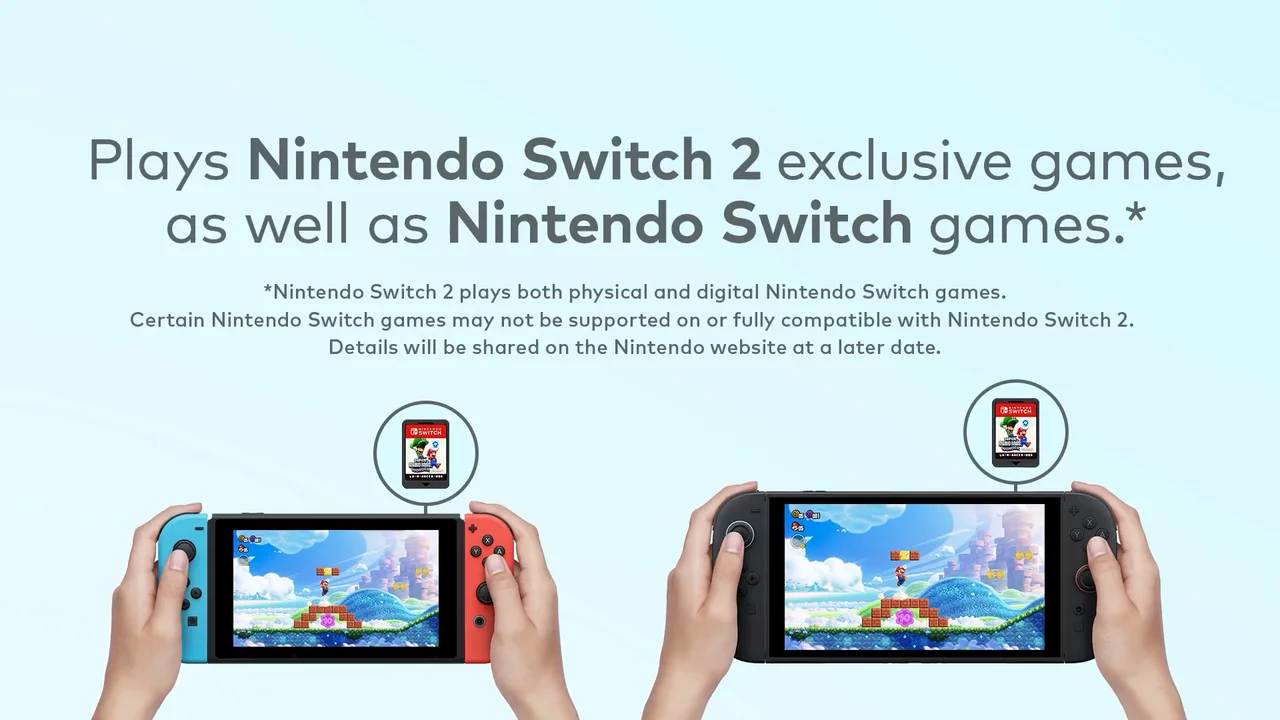
The gaming world is always buzzing with anticipation for the next big thing, and the Nintendo Switch 2 is no exception. Before we dive into its potential market impact, let's take a quick look at where things stand right now. Sony's PlayStation 5 and Microsoft's Xbox Series X/S have been duking it out in the high-fidelity, powerful console space, offering stunning graphics and immersive experiences. Nintendo, on the other hand, has carved out its own unique niche with the original Switch, focusing on portability, innovative gameplay, and a strong lineup of first-party titles that appeal to a broader audience, including families and casual gamers. This hybrid approach has been incredibly successful, allowing Nintendo to compete effectively without directly going head-to-head on raw power. The original Switch has sold over 130 million units worldwide, a testament to its widespread appeal. This strong foundation gives the Switch 2 a significant advantage, as it enters a market already familiar with and fond of the Nintendo ecosystem. The question isn't just if it will sell, but how it will reshape the entire console market.
Projected Sales and Market Share for Nintendo Switch 2
Forecasting sales for a new console is always a bit of a guessing game, but based on Nintendo's track record and the immense hype surrounding the Switch 2, analysts are predicting a very strong launch. Many expect the Switch 2 to surpass the initial sales of its predecessor, potentially reaching 20-30 million units in its first year alone. This would be a monumental achievement, putting it on track to become one of the fastest-selling consoles in history. Its market share is also expected to grow, especially in regions where the original Switch performed exceptionally well, such as Japan, North America, and parts of Europe. The hybrid nature of the console, combining home console and handheld gaming, continues to be a major draw, appealing to consumers who want flexibility in their gaming habits. Furthermore, Nintendo's strong brand loyalty and beloved franchises like Mario, Zelda, and Pokémon will undoubtedly drive significant sales. The key will be how well Nintendo manages supply chains to meet this anticipated demand, avoiding the stock shortages that plagued the PS5 and Xbox Series X/S launches.
Impact on Competitors PlayStation and Xbox
The arrival of the Nintendo Switch 2 will undoubtedly send ripples through the strategies of Sony and Microsoft. While the Switch 2 isn't expected to directly compete on raw graphical power with the PS5 Pro or next-gen Xbox, its unique selling proposition could still draw away a significant portion of the casual and family gaming market. Sony and Microsoft might find themselves needing to double down on their core strengths: high-fidelity graphics, mature-rated games, and subscription services. We might see more aggressive pricing strategies or bundled deals from them to maintain their market share. The Switch 2's success could also push them to explore more portable gaming options or cloud streaming solutions to counter Nintendo's hybrid advantage. However, it's also possible that the market is large enough for all three to coexist and thrive, each catering to a slightly different segment of the gaming population. The console wars are less about one winner and more about evolving strategies to capture diverse consumer preferences.
Influence on the Handheld Gaming Market and Steam Deck
This is where the Nintendo Switch 2 could have its most profound impact. The original Switch essentially revitalized the handheld gaming market, and the Switch 2 is poised to solidify Nintendo's dominance. Devices like Valve's Steam Deck, ASUS ROG Ally, and Lenovo Legion Go have emerged, offering PC-level gaming in a portable form factor. While these devices cater to a more enthusiast crowd who enjoy tinkering and have extensive PC game libraries, the Switch 2 offers a more streamlined, plug-and-play experience with exclusive titles. The Switch 2's potential for improved performance and graphics will narrow the gap with these PC handhelds, making it an even more attractive option for those who prioritize ease of use and Nintendo's unique game offerings. We might see these PC handheld manufacturers innovate further to differentiate themselves, perhaps focusing more on cloud gaming integration or even more powerful hardware. The competition will ultimately benefit consumers, leading to better and more diverse portable gaming options.
Effects on Game Development and Third-Party Support
One of the biggest indicators of a console's success is its third-party support. The original Switch, despite its lower power, eventually garnered significant third-party backing due to its massive install base. With the Nintendo Switch 2, developers are hoping for a more powerful console that makes porting games easier and allows for more ambitious titles. If the Switch 2 offers a significant leap in performance, we can expect to see more simultaneous releases of major third-party titles alongside their PlayStation and Xbox counterparts, albeit potentially with some graphical compromises. This would be a huge win for Nintendo fans, expanding the library beyond first-party exclusives. Developers might also be more willing to invest in creating unique experiences that leverage the Switch 2's specific features, such as improved Joy-Cons or potential new functionalities. The increased power could also lead to more complex indie games finding a home on the platform, further diversifying its appeal. The ease of development and the size of the potential audience will be key factors in attracting and retaining strong third-party support.
Economic Implications and Supply Chain Considerations
The launch of a major console like the Nintendo Switch 2 has significant economic implications. It creates jobs in manufacturing, logistics, retail, and game development. The demand for components like semiconductors, memory, and display panels will surge, impacting global supply chains. Nintendo will need to carefully manage its production to avoid the widespread shortages that plagued the PS5 and Xbox Series X/S launches, which led to scalping and consumer frustration. A smooth launch with ample stock is crucial for maximizing initial sales and maintaining positive consumer sentiment. Furthermore, the success of the Switch 2 will boost Nintendo's revenue and profitability, allowing them to invest more in research and development, new game titles, and potentially even new hardware innovations down the line. The ripple effect extends to accessory manufacturers, game retailers, and even content creators who focus on Nintendo products. It's a massive economic event that benefits many sectors.
Long-Term Market Trends and Nintendo's Strategy
Looking beyond the initial launch, the Nintendo Switch 2 will play a crucial role in shaping long-term market trends. The continued success of a hybrid console could solidify this form factor as a permanent fixture in the gaming landscape, influencing future console designs from competitors. Nintendo's strategy has always been about innovation and creating unique experiences rather than chasing raw power. The Switch 2 is expected to continue this philosophy, potentially introducing new ways to play or interact with games. This approach allows Nintendo to appeal to a broader demographic, including those who might not be interested in traditional high-end gaming PCs or consoles. The focus on family-friendly content and local multiplayer also sets Nintendo apart, fostering a sense of community and shared experiences. As cloud gaming and subscription services become more prevalent, Nintendo will also need to adapt its strategy, potentially integrating these features in a way that aligns with its core values. The Switch 2 is not just a console; it's a statement about Nintendo's vision for the future of gaming.
Potential Impact on Regional Markets: US and Southeast Asia Focus
The Nintendo Switch 2's market impact will vary significantly across different regions, with the US and Southeast Asia being key targets. In the US, Nintendo already has a strong foothold, and the Switch 2 is expected to be a major holiday seller. The American market values both home console and portable gaming, making the hybrid nature of the Switch 2 particularly appealing. Marketing efforts will likely focus on its versatility, family appeal, and the strength of its exclusive game library. For Southeast Asia, the impact could be even more transformative. This region is a rapidly growing gaming market, characterized by a large youth population, increasing disposable income, and a strong preference for mobile and portable gaming. The original Switch has already seen considerable success here, and the Switch 2, with its improved performance and continued portability, is perfectly positioned to capture an even larger share. Nintendo might implement specific regional pricing strategies or localized marketing campaigns to cater to the diverse cultures and economic conditions within Southeast Asia. The accessibility of the Switch 2, combined with its strong game lineup, could make it the dominant console in many Southeast Asian countries, driving significant growth for Nintendo in this crucial emerging market.
The Role of Exclusives and First-Party Titles in Market Dominance
Nintendo's first-party titles are arguably its biggest weapon in the console wars. Games like The Legend of Zelda: Tears of the Kingdom, Super Mario Odyssey, and Pokémon Scarlet and Violet have consistently driven console sales and maintained player engagement. The Nintendo Switch 2 will undoubtedly launch with or soon after, a new wave of highly anticipated exclusives. These titles are not just games; they are system sellers. They create a unique value proposition that competitors cannot replicate. The continued innovation in these franchises, combined with the potential for enhanced graphics and gameplay on the Switch 2, will be a major factor in its market dominance. Nintendo's ability to consistently deliver high-quality, critically acclaimed first-party games ensures a loyal fanbase and attracts new players. This strategy minimizes the reliance on third-party support, giving Nintendo more control over its ecosystem and ensuring a steady stream of compelling content for its console.
The Future of Nintendo's Ecosystem and Services
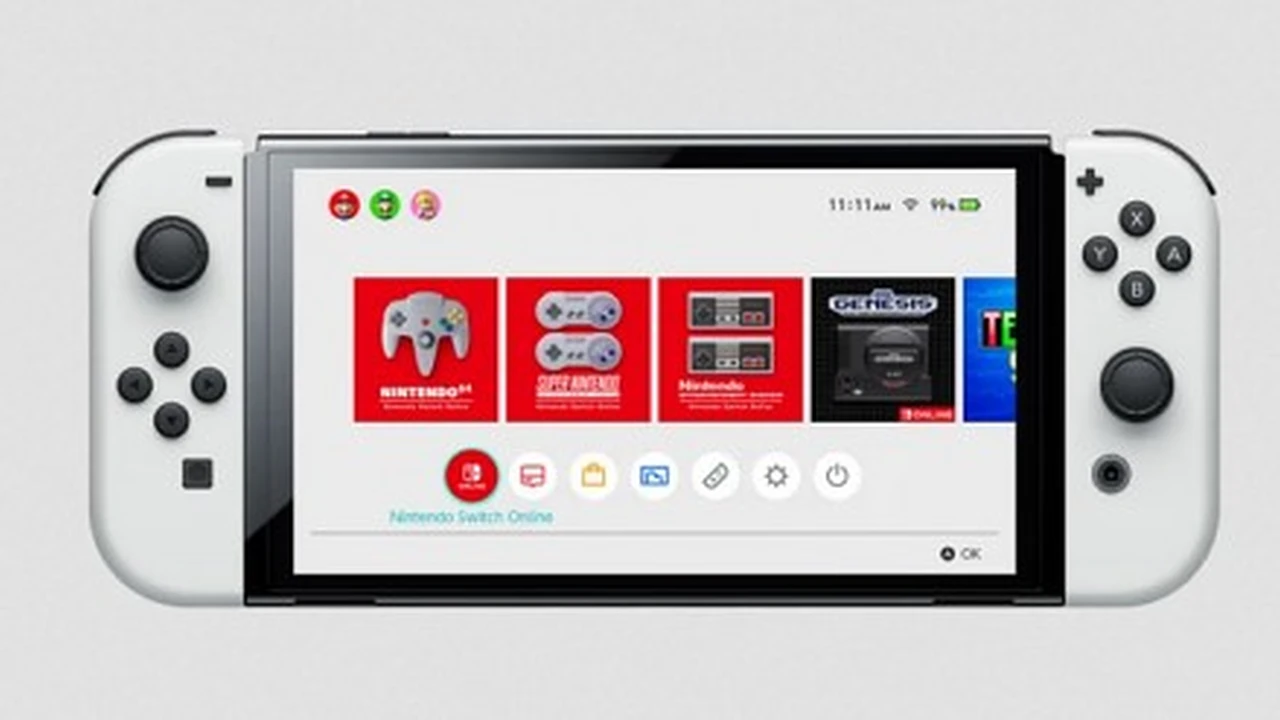
The Nintendo Switch 2 isn't just about the hardware; it's about the evolving Nintendo ecosystem. This includes Nintendo Switch Online, the eShop, and potential new services. We can expect improvements to Nintendo Switch Online, perhaps with more robust online features, expanded retro game libraries, or even cloud streaming options for certain titles. The eShop will continue to be a vital platform for digital game sales, and Nintendo might introduce new features to enhance the user experience, such as improved discovery tools or personalized recommendations. The success of the Switch 2 will also influence Nintendo's broader strategy for its intellectual properties, potentially leading to more animated series, movies, or theme park attractions based on its popular franchises. The console is the central hub, but the surrounding services and content are what keep players engaged and invested in the Nintendo brand for the long term. The market impact of the Switch 2 extends far beyond just console sales; it influences the entire Nintendo universe.
:max_bytes(150000):strip_icc()/277019-baked-pork-chops-with-cream-of-mushroom-soup-DDMFS-beauty-4x3-BG-7505-5762b731cf30447d9cbbbbbf387beafa.jpg)