Nintendo Switch 2 Manufacturing Process
Insights into the potential manufacturing process and supply chain for the Nintendo Switch 2.
Insights into the potential manufacturing process and supply chain for the Nintendo Switch 2.
Nintendo Switch 2 Manufacturing Process and Supply Chain Insights
The anticipation for the Nintendo Switch 2 is palpable, and while much of the discussion revolves around its features and games, understanding its manufacturing process and supply chain offers crucial insights into its potential availability, pricing, and even its environmental footprint. Building a console as complex as the Switch 2 involves a global network of suppliers, advanced fabrication techniques, and meticulous assembly. Let's dive deep into what goes into bringing a new Nintendo console to life.
The Core Components: Nintendo Switch 2 Chipset and Display Production
At the heart of any modern gaming console is its System-on-a-Chip (SoC). For the Nintendo Switch 2, rumors heavily point towards a custom NVIDIA Tegra processor. The manufacturing of such a sophisticated chip is a monumental task, primarily handled by leading foundries like TSMC (Taiwan Semiconductor Manufacturing Company). TSMC utilizes cutting-edge fabrication processes, such as 5nm or even 4nm, to pack billions of transistors onto a tiny silicon wafer. This process involves photolithography, etching, and deposition in highly controlled cleanroom environments. The precision required is astounding, with features measured in nanometers.
The display is another critical component. Whether Nintendo opts for an enhanced LCD or a new OLED panel, the production involves specialized factories. For OLED, companies like Samsung Display or LG Display are key players. These panels are built layer by layer, with organic light-emitting diodes deposited onto a substrate. The quality of the display directly impacts the visual experience, and manufacturing defects can be costly. The integration of touch capabilities also adds another layer of complexity to the display's production.
Key Chipset Manufacturers and Their Role in Nintendo Switch 2
- TSMC (Taiwan Semiconductor Manufacturing Company): Likely the primary foundry for the Nintendo Switch 2's custom NVIDIA Tegra SoC. Their advanced process nodes are essential for achieving the rumored performance targets.
- NVIDIA: Designs the Tegra SoC, which integrates the CPU, GPU, and other essential components. While they design, they outsource manufacturing to foundries like TSMC.
- Samsung/SK Hynix/Micron: Major suppliers of RAM (LPDDR5 or LPDDR5X) and NAND flash storage for the console. These memory components are crucial for game loading times and overall system responsiveness.
Global Supply Chain: Sourcing Nintendo Switch 2 Materials and Parts
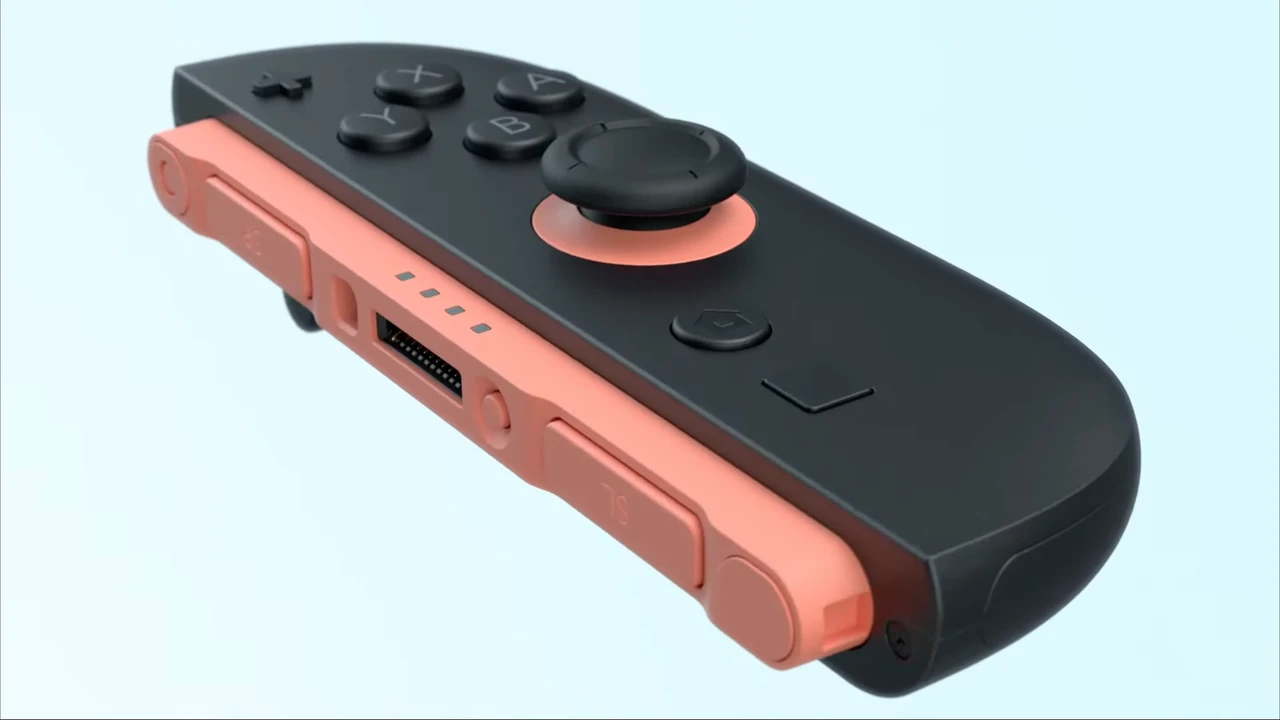
The Nintendo Switch 2 is not built in a single location; it's a product of a vast global supply chain. Beyond the core SoC and display, thousands of other components are needed: circuit boards, capacitors, resistors, wireless modules (Wi-Fi, Bluetooth), batteries, haptic motors for Joy-Cons, plastic casings, metal frames, and various connectors. Each of these components is sourced from specialized manufacturers around the world.
For instance, batteries are often sourced from companies like Murata or Panasonic, known for their lithium-ion technology. Plastic injection molding for the console's casing and Joy-Cons might be handled by various plastics manufacturers. The intricate flex cables and printed circuit boards (PCBs) come from specialized electronics manufacturers. This global sourcing strategy allows Nintendo to leverage expertise and cost efficiencies from different regions.
Challenges in the Nintendo Switch 2 Supply Chain: Lessons from the Past
The COVID-19 pandemic highlighted the fragility of global supply chains, leading to chip shortages and production delays for many electronics, including the original Switch. For the Switch 2, Nintendo will undoubtedly be working to mitigate these risks. Diversifying suppliers, securing long-term contracts for critical components, and potentially increasing inventory buffers are strategies they might employ. Geopolitical tensions and trade policies can also impact the flow of goods, adding another layer of complexity to supply chain management.
Assembly and Quality Control: Bringing the Nintendo Switch 2 Together
Once all the individual components are manufactured and shipped, the final assembly takes place. This is typically done by large-scale contract manufacturers, often in countries like Vietnam or China, known for their extensive electronics manufacturing infrastructure and skilled labor force. Companies like Foxconn or Pegatron are prime candidates for handling the assembly of the Nintendo Switch 2.
The assembly process involves automated machinery for precise component placement (Surface Mount Technology - SMT) and manual labor for intricate tasks like connecting cables, screwing in components, and final casing assembly. After assembly, rigorous quality control checks are performed. This includes functional testing of every port, button, and wireless connection, stress testing, and visual inspections to ensure there are no cosmetic defects. Packaging and distribution then follow, preparing the consoles for shipment to retailers worldwide.
The Role of Automation in Nintendo Switch 2 Production
Modern console manufacturing relies heavily on automation. Robotic arms handle repetitive tasks with incredible precision and speed, reducing human error and increasing throughput. Automated optical inspection (AOI) systems scan PCBs for defects, and automated testing rigs ensure every console meets performance specifications. While automation is key, human oversight and skilled technicians remain essential for setting up and maintaining these complex systems, as well as for handling more delicate assembly steps.
Environmental Considerations: Sustainable Manufacturing for Nintendo Switch 2
In today's world, the environmental impact of electronics manufacturing is a growing concern. Nintendo, like other major tech companies, is under increasing pressure to adopt more sustainable practices. This includes sourcing materials responsibly, minimizing waste during production, reducing energy consumption in factories, and designing products for easier recycling at the end of their life cycle.
For the Nintendo Switch 2, this could mean using more recycled plastics in its casing, optimizing power efficiency of its components, and ensuring that its packaging is made from sustainable materials. Companies are also exploring ways to reduce their carbon footprint throughout the entire supply chain, from raw material extraction to final product delivery. Consumers are increasingly aware of these issues, and a commitment to sustainability can be a significant selling point.
Recycling and End-of-Life for Nintendo Switch 2
Beyond manufacturing, the end-of-life management of electronics is crucial. Nintendo will need to ensure that there are proper recycling programs in place for the Switch 2, allowing valuable materials to be recovered and reused, rather than ending up in landfills. Designing the console with modularity and ease of disassembly in mind can significantly aid in the recycling process.
Impact on Availability and Pricing: What the Manufacturing Process Means for You
The complexity of the manufacturing process and the global nature of the supply chain directly influence the availability and pricing of the Nintendo Switch 2. Any disruptions in the supply of key components, labor shortages, or logistical challenges can lead to delays and higher production costs, which may then be passed on to the consumer. A smooth and efficient manufacturing process, on the other hand, can help ensure a steady supply and potentially more competitive pricing.
Understanding these intricate details provides a deeper appreciation for the engineering and logistical marvel that is a modern gaming console. The Nintendo Switch 2 will be the culmination of years of research, development, and a vast global effort to bring it to market.
:max_bytes(150000):strip_icc()/277019-baked-pork-chops-with-cream-of-mushroom-soup-DDMFS-beauty-4x3-BG-7505-5762b731cf30447d9cbbbbbf387beafa.jpg)